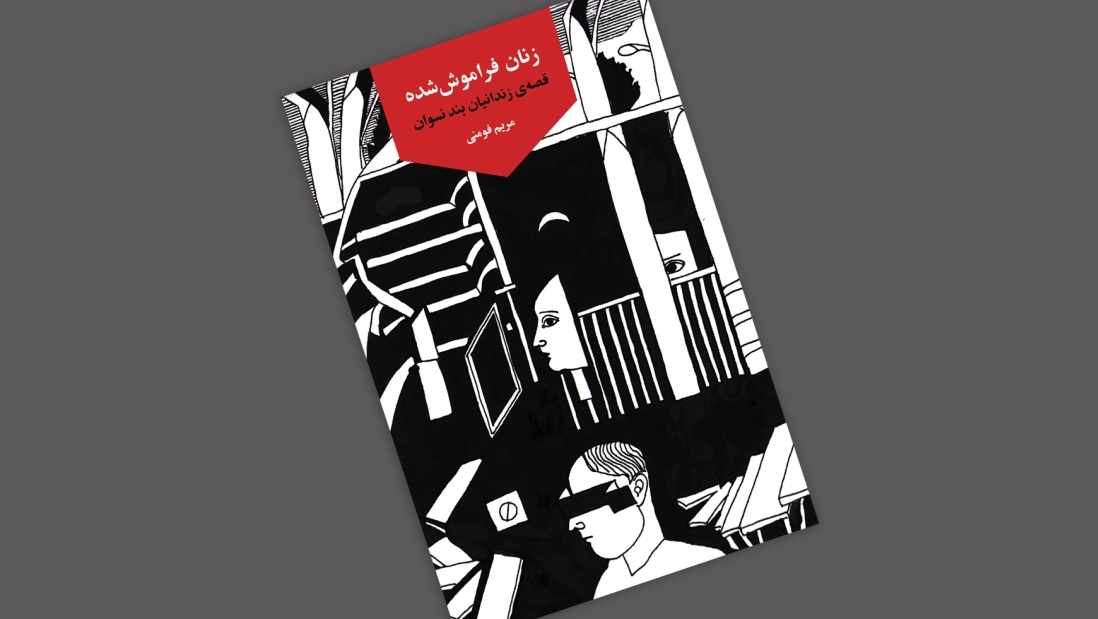

Forgotten Women

Maryam Foumani

A powerful collection that captures the lives of ordinary women incarcerated in Evin prison — women whose stories rarely surface beyond the crime pages. Written by Maryam Foumani, who interviewed them while she herself was imprisoned for her human rights work in Iran. She brings to life the voices of women awaiting execution for murder, and those jailed for theft or prostitution, with no one waiting beyond the prison gates. They all emerge in Foumani's narrative with stark, human immediacy.

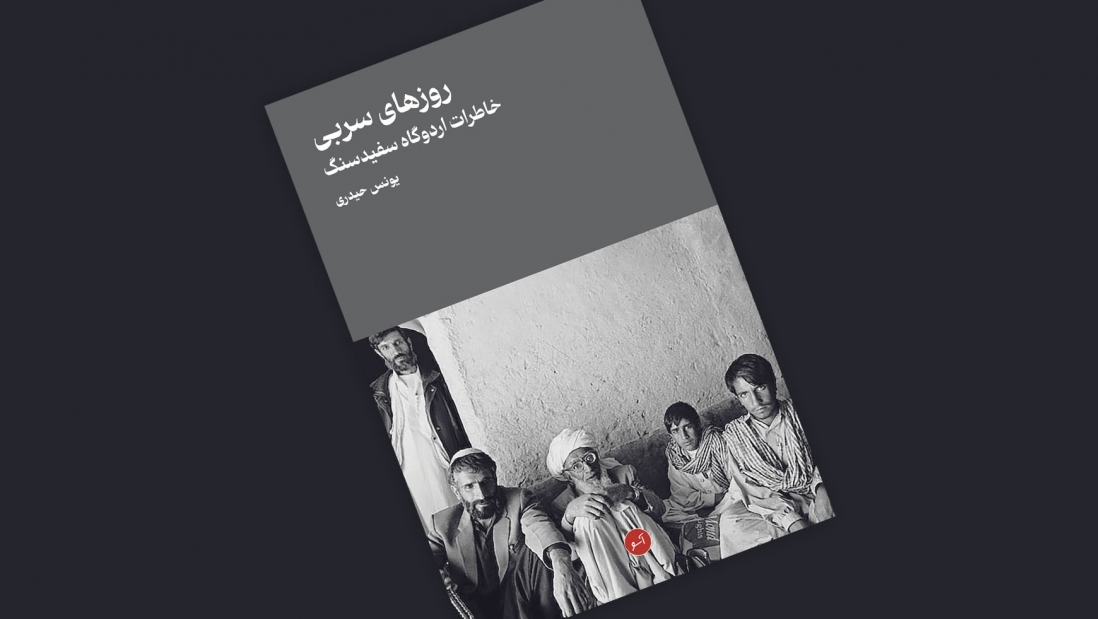
Leaden Days

Yunes Heydari

In this powerful memoir, Yunes Heydari—an Afghan migrant who lived in Iran—recounts his detention in the country’s notorious Sefid Sang border camp before being expelled to Afghanistan more than 25 years ago. Through vivid journal entries, he captures the brutal realities of a place that has come to symbolize homelessness, humiliation, and violence in the collective memory of Afghan migrants—a haunting testimony of survival and displacement.

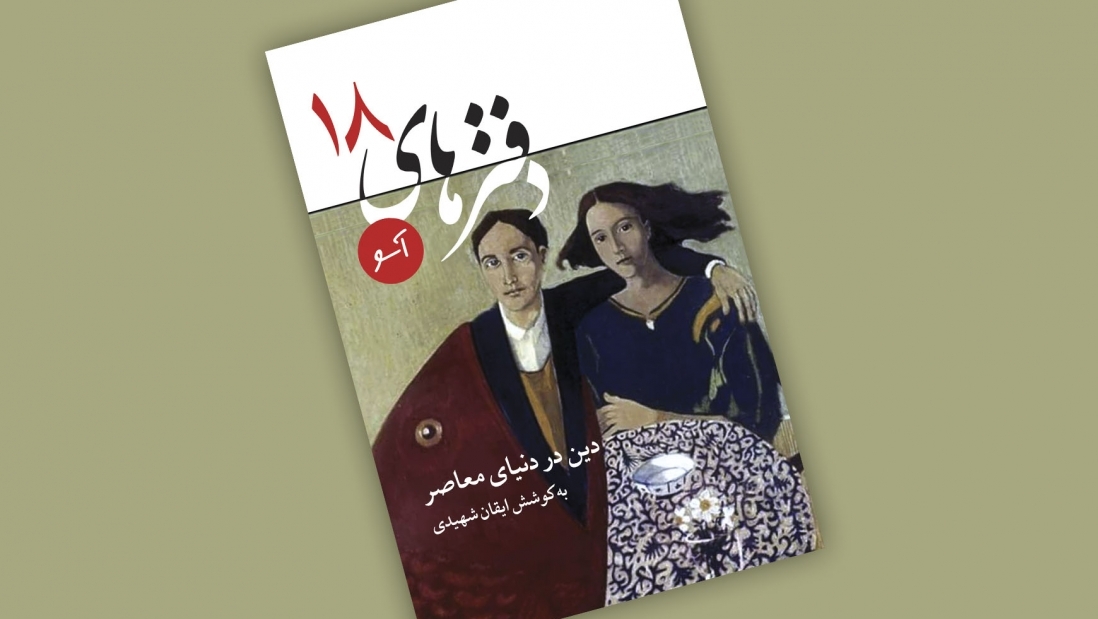
The Role of Religion in the Modern World

Edited by Iqan Shahidi

A collection of essays and interviews from a wide spectrum of secular and religious thinkers. Conscious of the impact of religion in post-1979 Iran, where faith has been used as a tool of oppression, the collection offers a concise examination of religion’s place in contemporary life. The volume surveys key theoretical perspectives and explores how diverse religious communities understand their current realities and imagine their most constructive role in the public sphere.

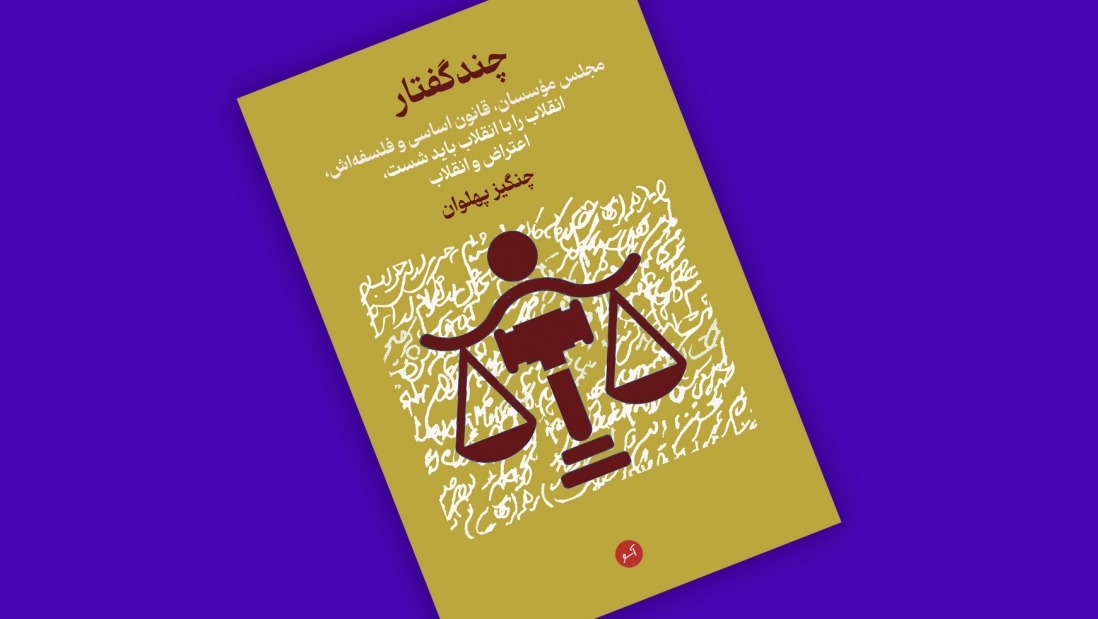
Essays on Constitution

Changiz Pahlavan

 Leading political scientist, Changiz Pahlavan illuminates the core principles of constitutional thought and the dynamics of constituent assemblies. From the philosophy of constitutions and their ties to liberalism to India’s constitutional experience and Iran’s four constitutions in a century, he explores how foundational laws are made and how politics, revolutions and citizens shape them. Drawing on his seminal work on Iran and Afghanistan, Pahlavan offers a lucid guide to the forces that craft modern governance.

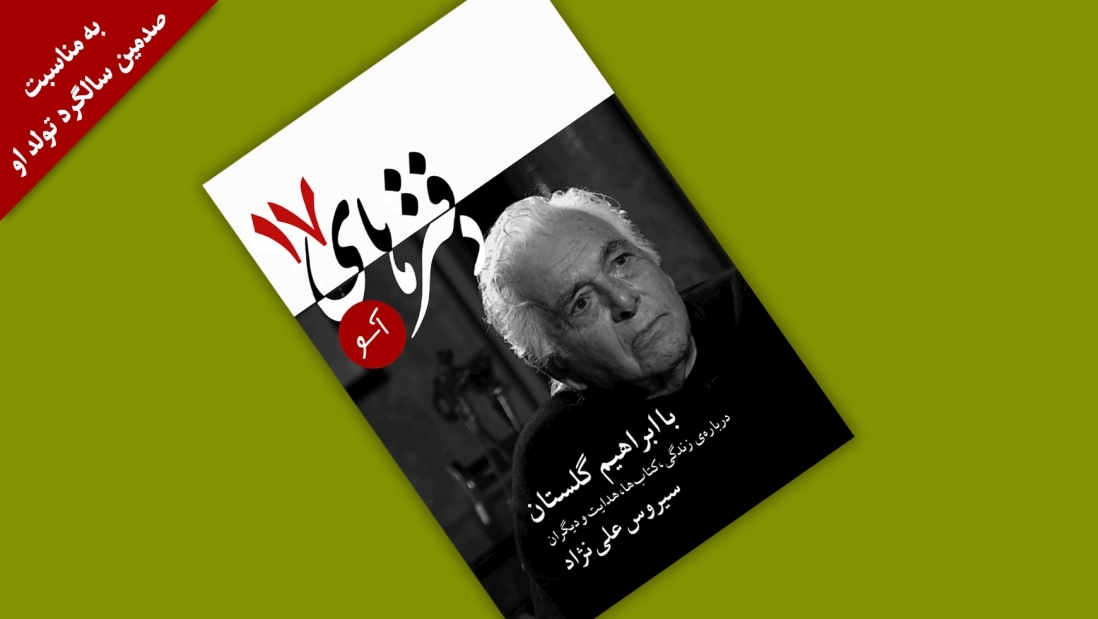
With Ebrahim Golestan

Cyrus Alinejad

An expansive interview with Ebrahim Golestan, one of twentieth-century Iran’s most influential intellectuals. interviewed in his Sussex home, in England, Golestan reflects on his childhood, family, filmmaking, fiction, politics, and the vibrant literary world he shared with figures like Hedayat, Chubak, Akhavan and Daryabandari. Through Alinejad’s clear, direct prose, the conversations unfold into a compelling portrait of a towering cultural voice and the era that shaped him.

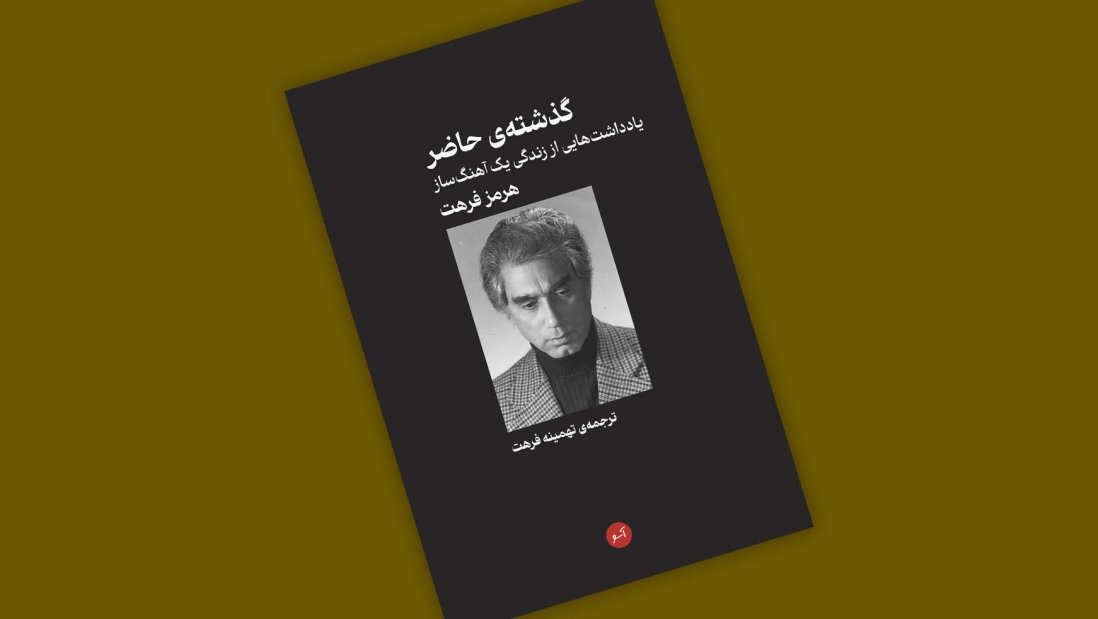
Present Past: Notes from the Life of a Persian/American Composer

Hormoz Farhat

A selective memoir by the late composer and musicologist Hormoz Farhat, traces a life shaped by music and migration. From his childhood in Iran to his studies and teaching in the United States, his return to a booming Iran in the 1970s, and his escape to Ireland after the 1979 Revolution, Farhat reflects with clarity and grace on home, exile, and artistic legacy.

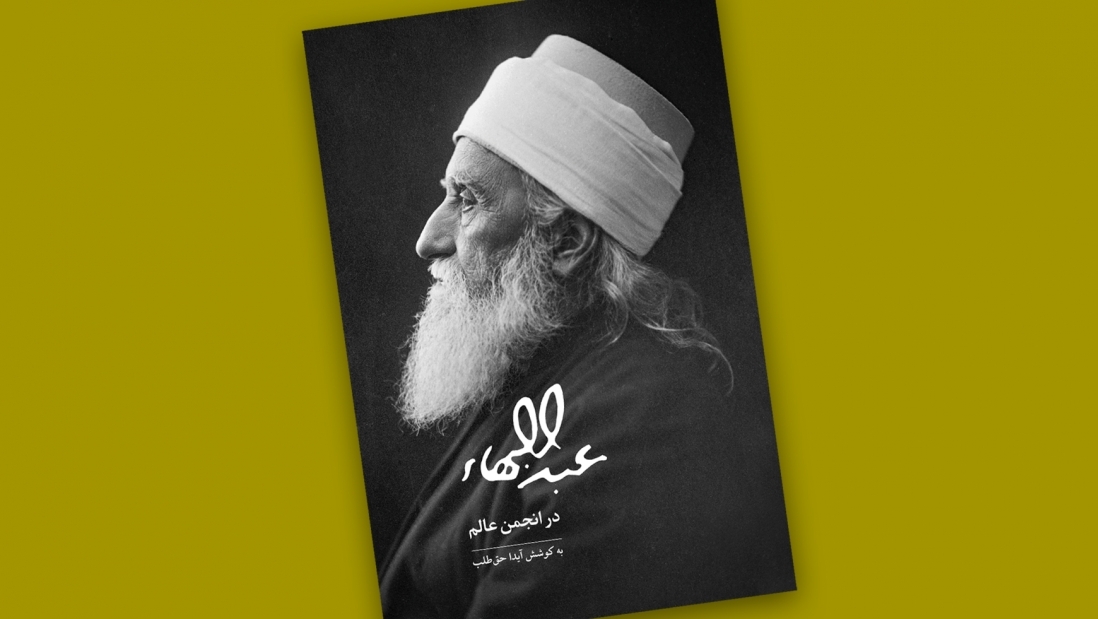
Abdul-Baha on the World Stage

Edited by Ayda Hagh Talab

A rich collection assembled by Ayda Hagh Talab to mark the centenary of the passing of ‘Abdu’l-Baha. Bringing together diverse writings on his life, thought, and global influence as an Iranian thinker and social reformer, the volume highlights his commitment to the unity of humanity, his engagement with modern social questions, and his practical efforts for education, equality, and peace. A timely introduction for Iranian readers to a figure whose ideas continue to resonate across cultures and eras.


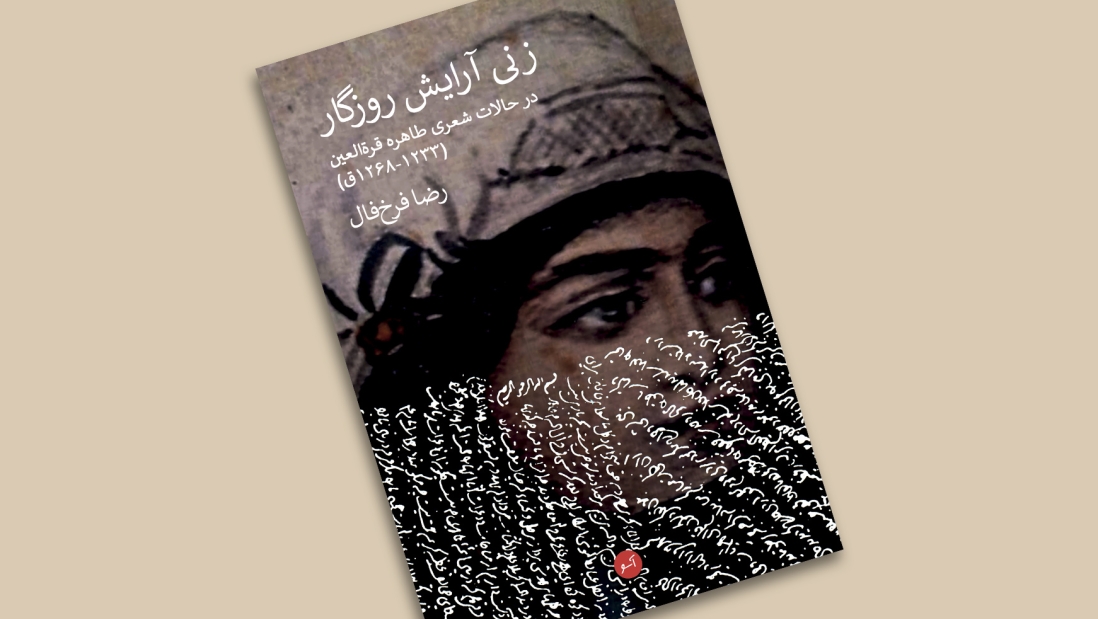
A Woman, Grace of Her Time

Reza Farokhfal

Reza Farokhfal explores the poetry and literary spirit of Tahereh Qorrat al-Ain, seeking to understand the poet through her own verse. Are the poems attributed to her truly hers? What do they say to us today? And where do Tahereh and her poetry stand in the lineage of Iranian women’s literature—from Rabi‘a to Forough? Farokhfal approaches these questions through a literary lens, offering fresh insight into a legendary figure.

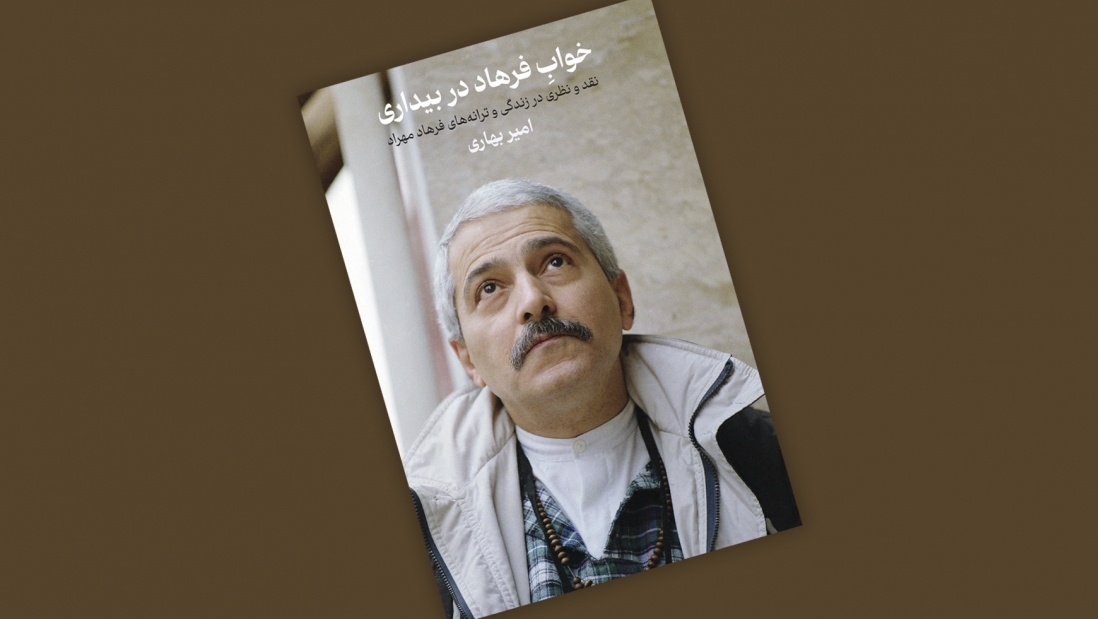
Farhad’s Waking Dream

Amir Bahari

Amir Bahari’s incisive study of Farhad Mehrad, one of Iran’s most singular musical voices. Drawing on extensive research, Bahari explores Farhad’s artistry, social conscience, unique vocal style, and deep literary sensibility through close analysis of more than forty songs—both his original Persian works and his interpretations of Western rock and pop. Using recordings and archival materials, the book reveals the sensibility and quiet intensity of a musician whose influence shaped a generation and continues to resonate today.

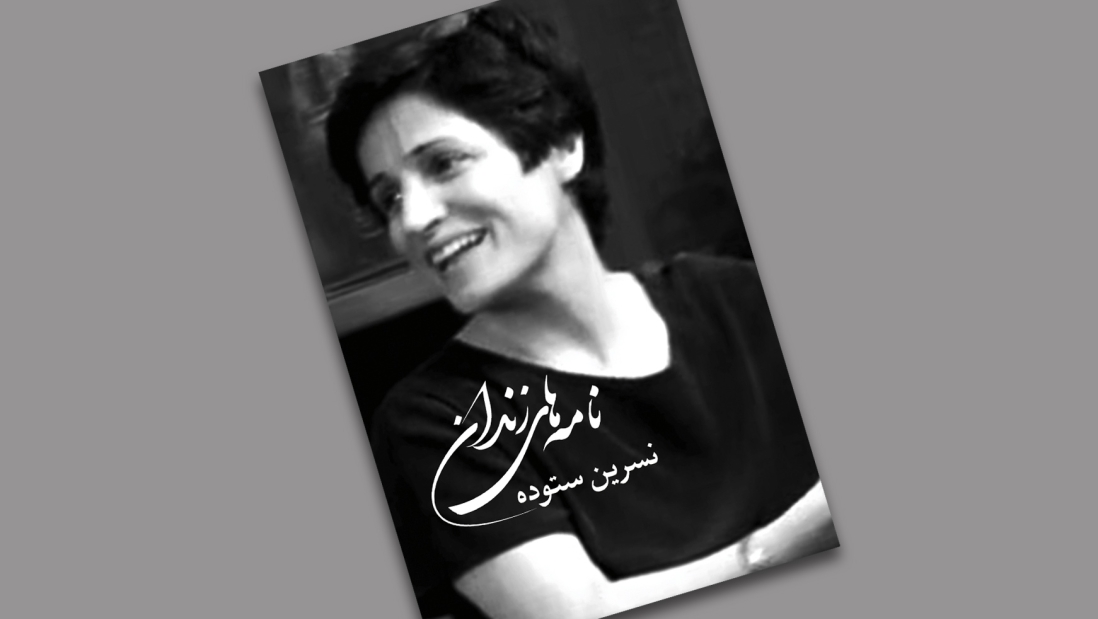
Prison Letters

Nasrin Sotoudeh

Renowned human rights lawyer Nasrin Sotoudeh writes from inside Iran’s prisons, where she was jailed simply for doing her job. Her letters—smuggled on tissue, censored, or lovingly decorated for her children—reveal courage amid repression, tenderness amid fear. Chronicling her years in prison, she bears witness to systemic injustice while fiercely defending dignity, love, and the unbreakable will to resist.

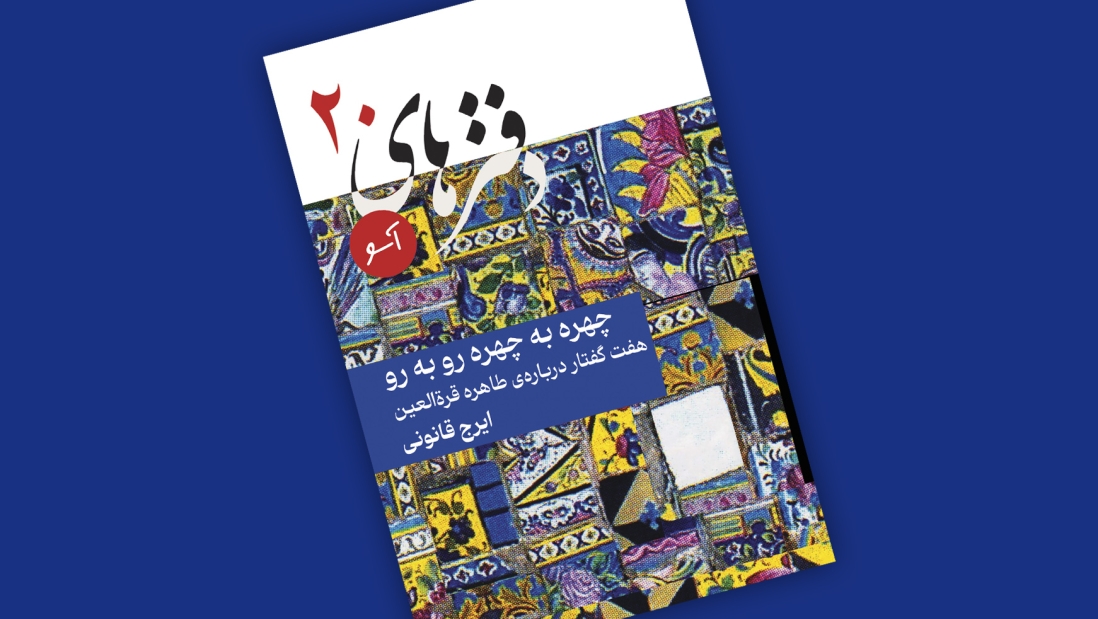
Seven Essays on Tahereh Qorrat al-Ayn

Iraj Ghanooni

There is no image of her — the first woman in nineteenth-century Iran to claim a public face and, in doing so, to make women visible. Much has been said about her beauty, yet no one ever painted her. Her fame reached so far that even the young Naser al-Din Shah and Amir Kabir sought to meet her. Still, no image remains. This volume of seven essays traces the contours of her inner face — the portrait she left behind in words and deeds.

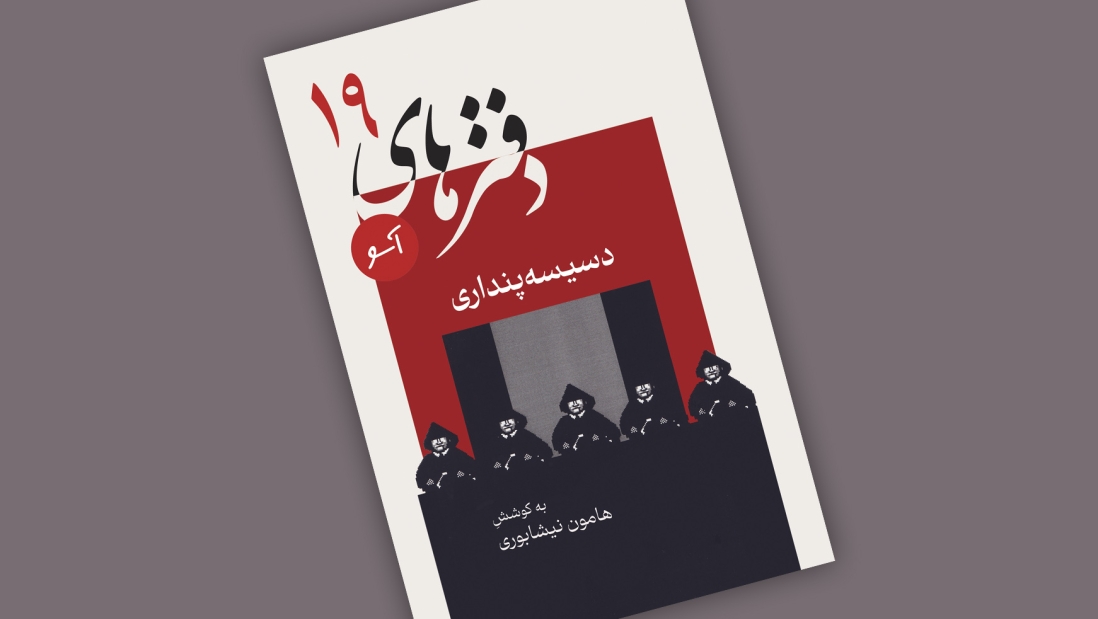
Conspiracy Thinking

Edited by Hamoon Neyshaburi

A wide-ranging collection of essays that trace the global breadth and local textures of conspiracy theories. From Japan’s earthquake myths to Eastern Europe’s political paranoias, the volume reveals how cultural history shapes these enduring narratives. Yet the main focus is the Middle East, and especially Iran, offering insight into how conspiracy thinking has influenced politics, identity, and public life. Blending psychology, history, and cultural analysis, this collection offers vital tools for navigating today’s world of misinformation.

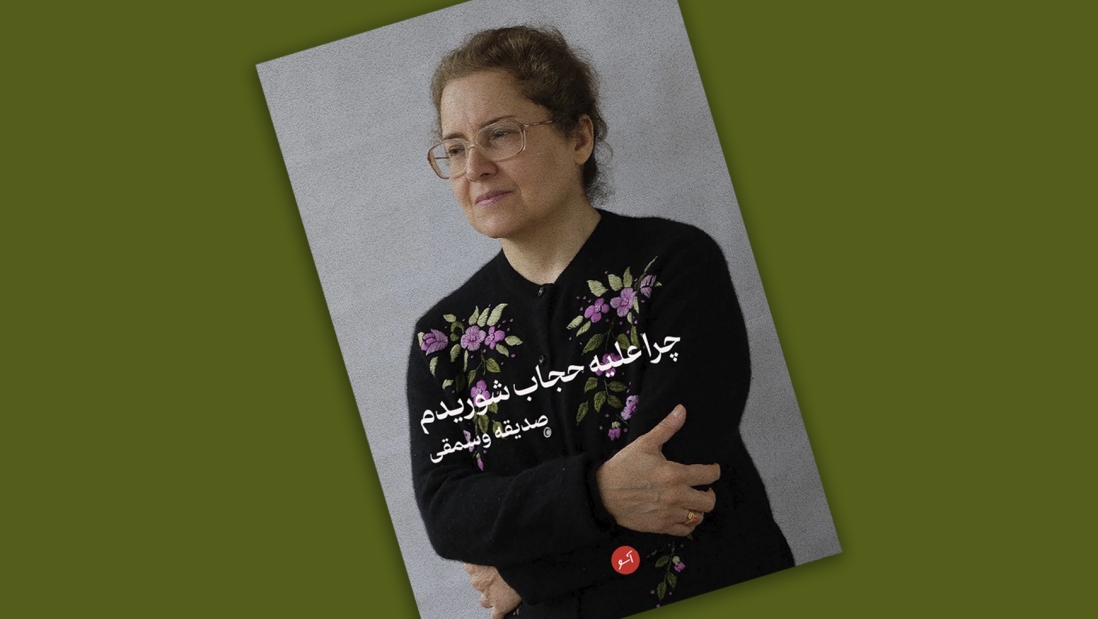
Why I Rebelled Against Hijab

Sedighe Vasmaghi

In this candid and incisive memoir, Sedighe Vasmaghi—prominent Islamic scholar and political thinker—recounts her courageous journey of questioning, challenging, and ultimately abandoning the hijab after wearing it for most of her life. Blending personal experience with sharp theological critique, she explores faith, freedom, and autonomy. This powerful account of a woman reclaiming her voice offers an essential perspective on resistance from within the tradition.

An Assembly Executed

Taslimi Foundation

This footage records a trial held in 1981 at the Islamic Revolutionary Court inside Evin Prison in Iran. The defendants are seven members of the elected leadership body of the Iranian Baha’i community, the National Spiritual Assembly of the Bahá’ís of Iran. They are on trial solely for being Bahá’ís.