
10 March 2026
Lonely Graves
By Shaghayegh Sadeghi
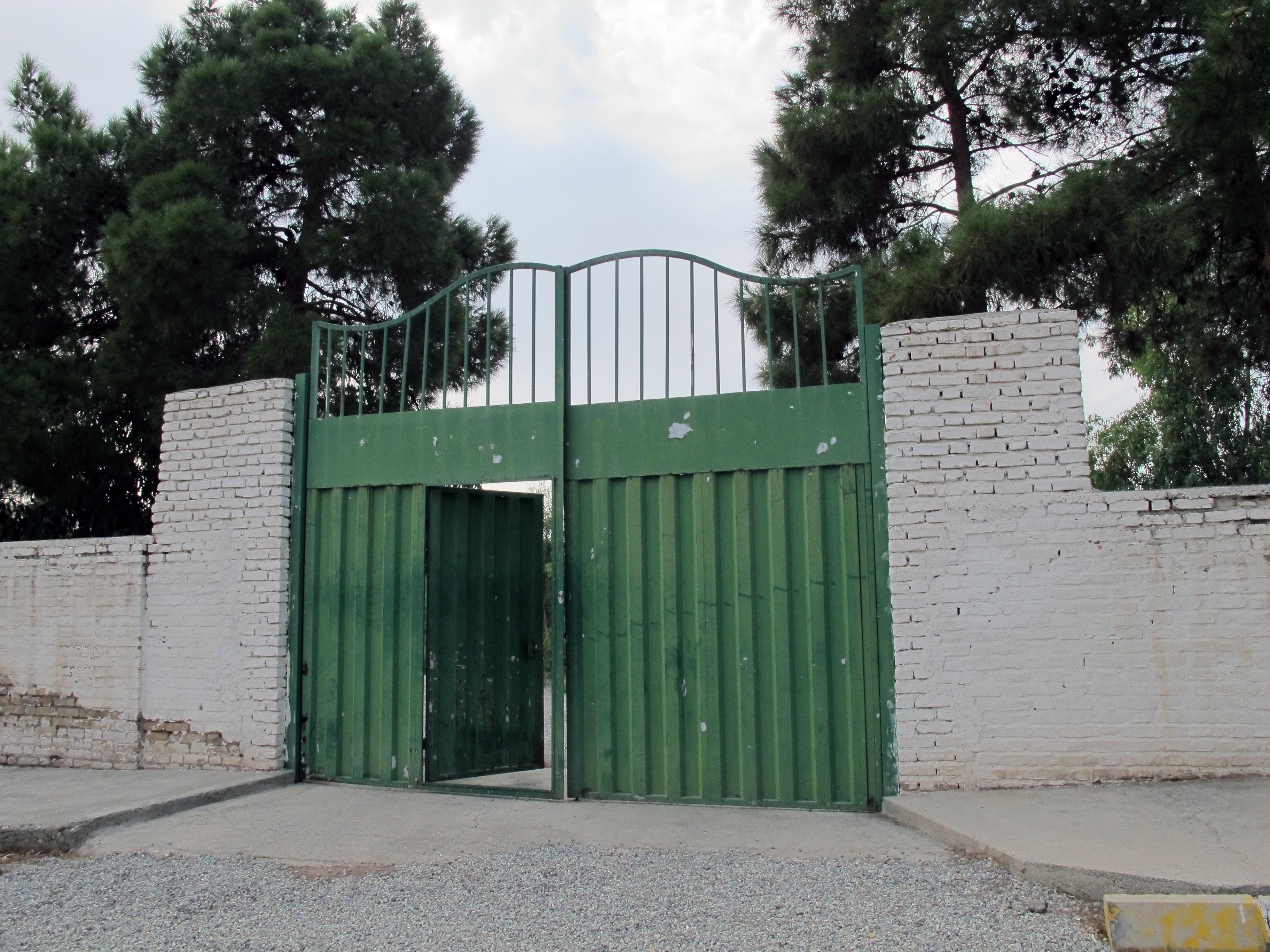
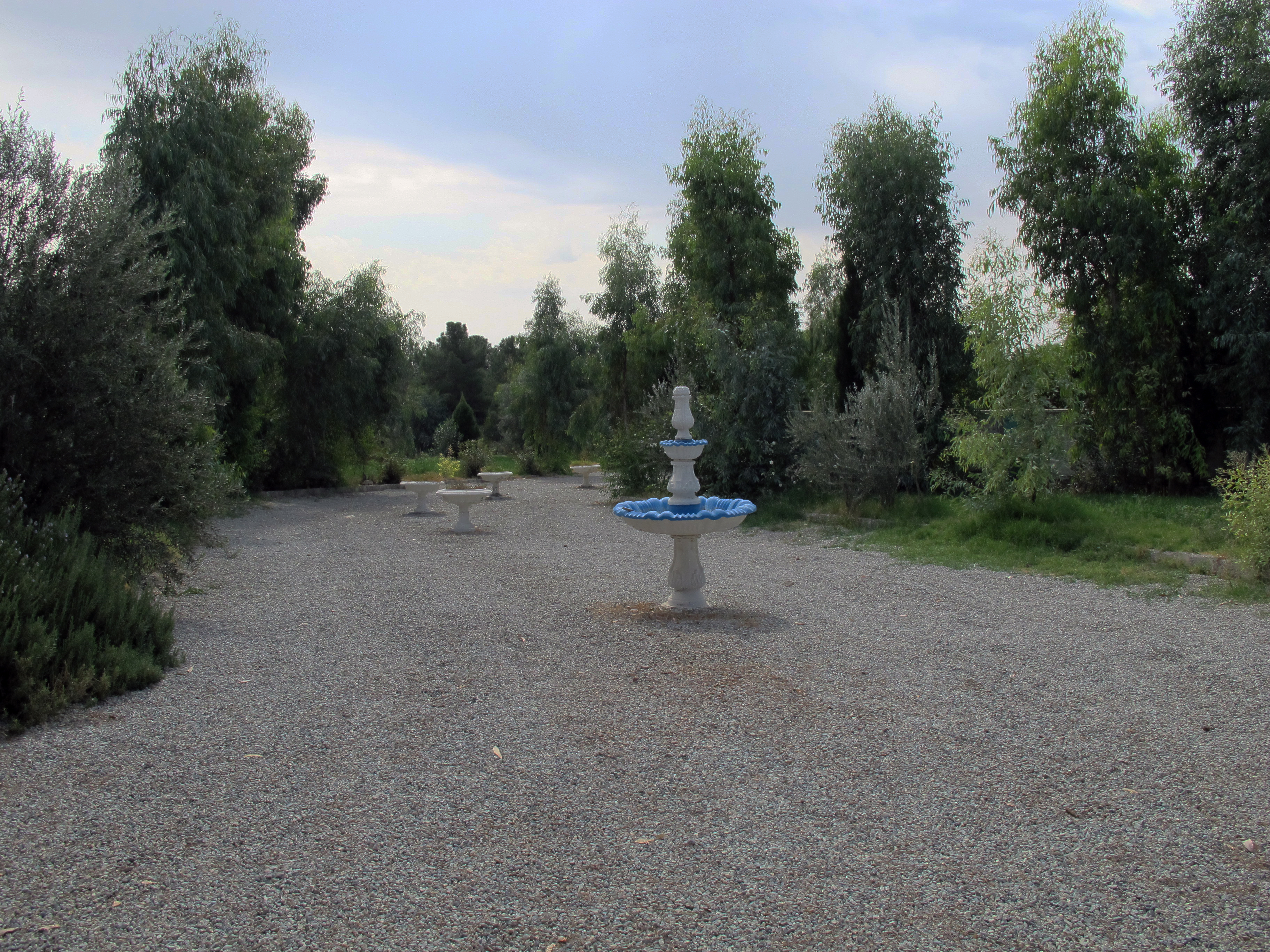
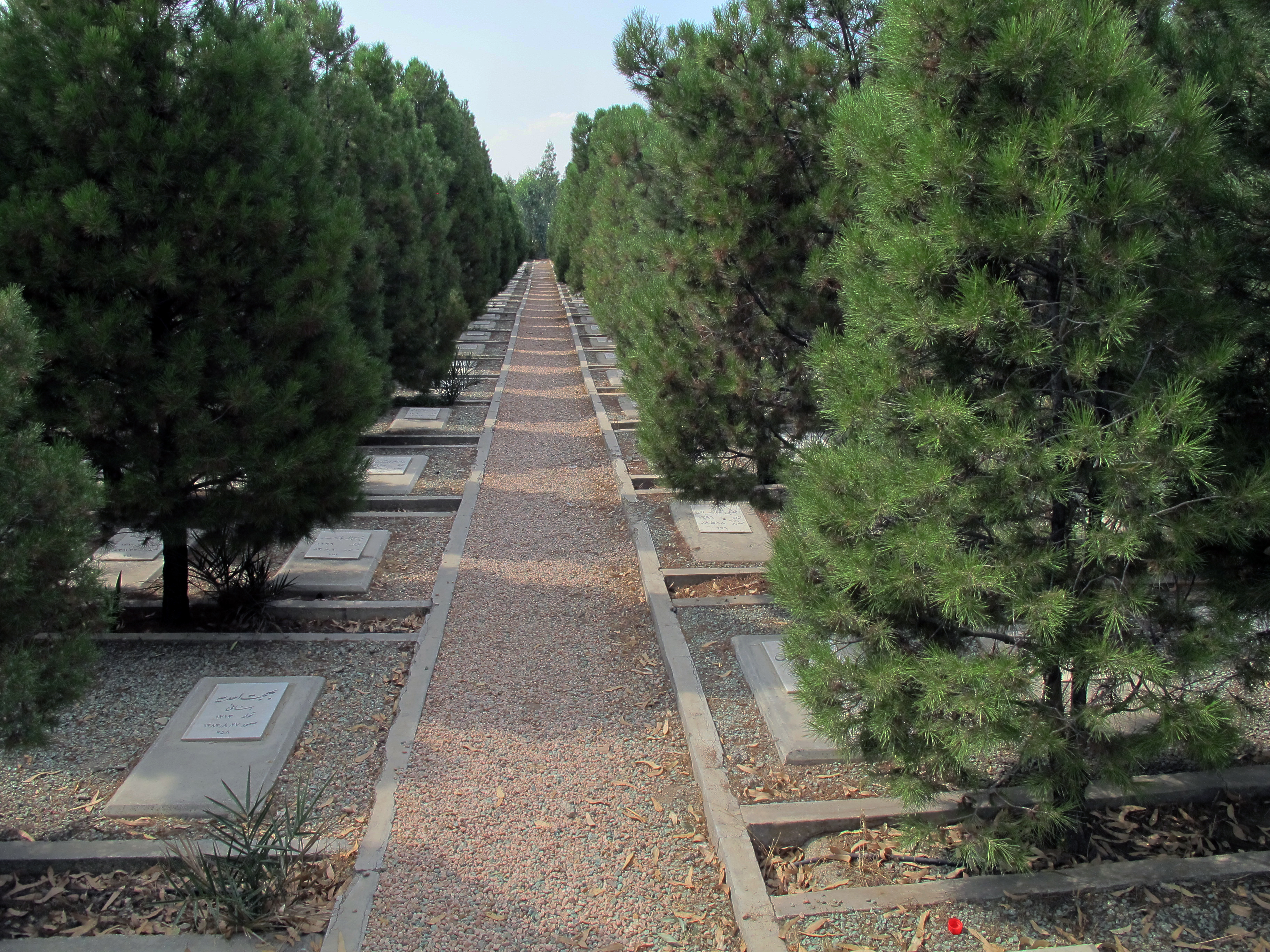
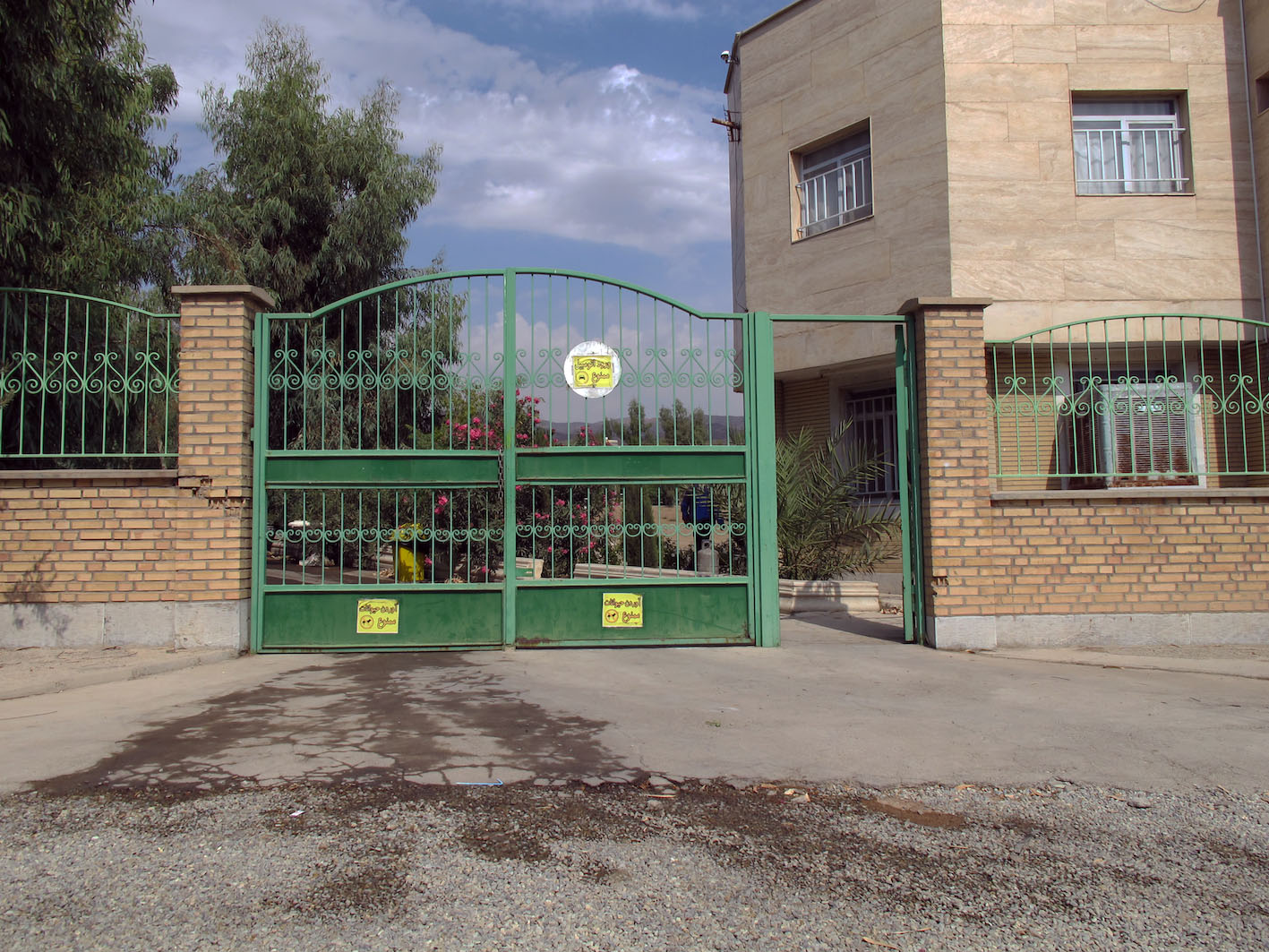
The Bahá’í cemetery lies alone along Khavaran Road in the southeast of Tehran, not far from the Christian cemetery. Yet while the Christian burial ground has a clearly marked entrance, a sign, and its own access road, the Bahá’í cemetery—just a short distance away—has no address, no sign, no indication that it is there.
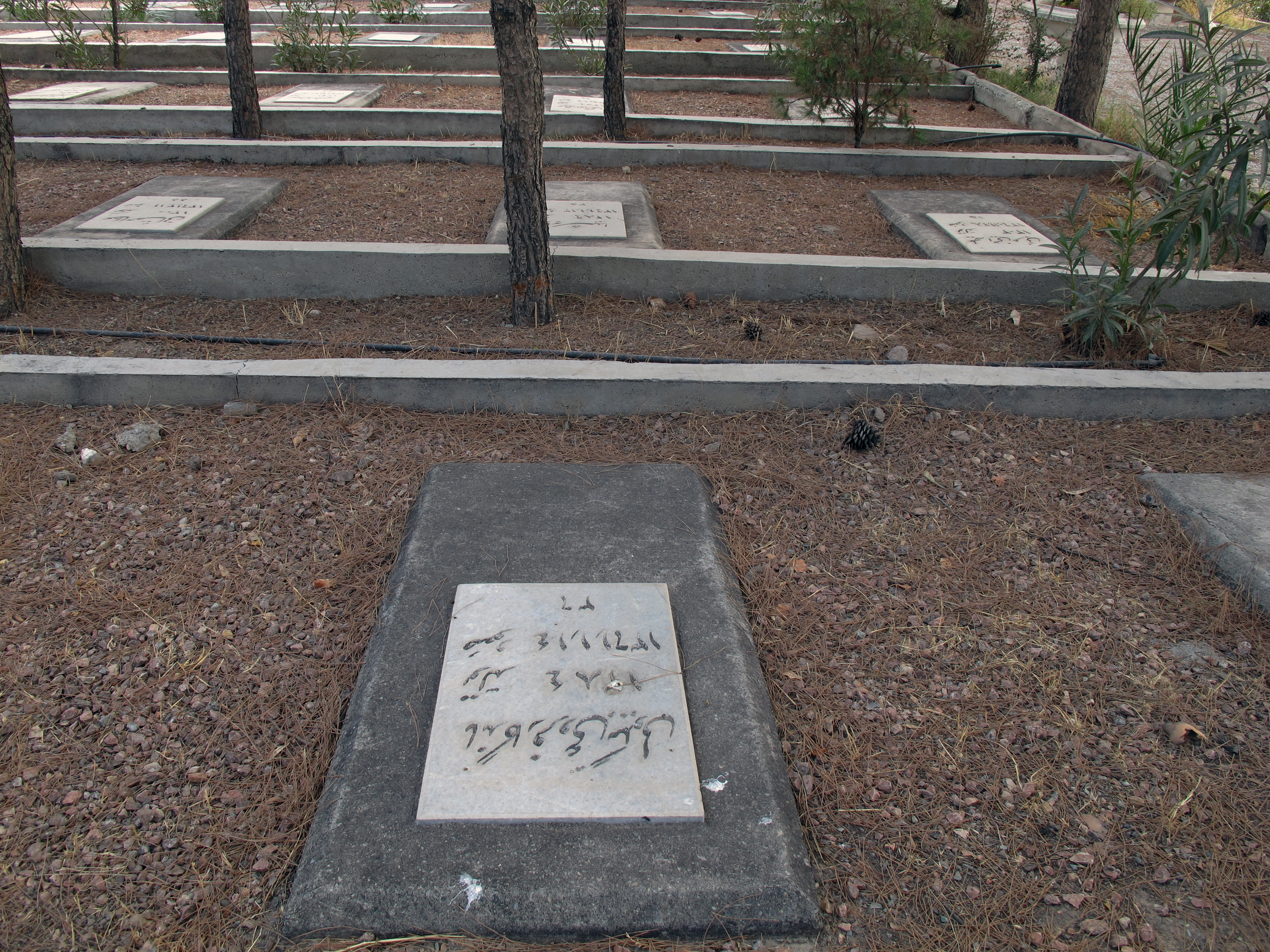
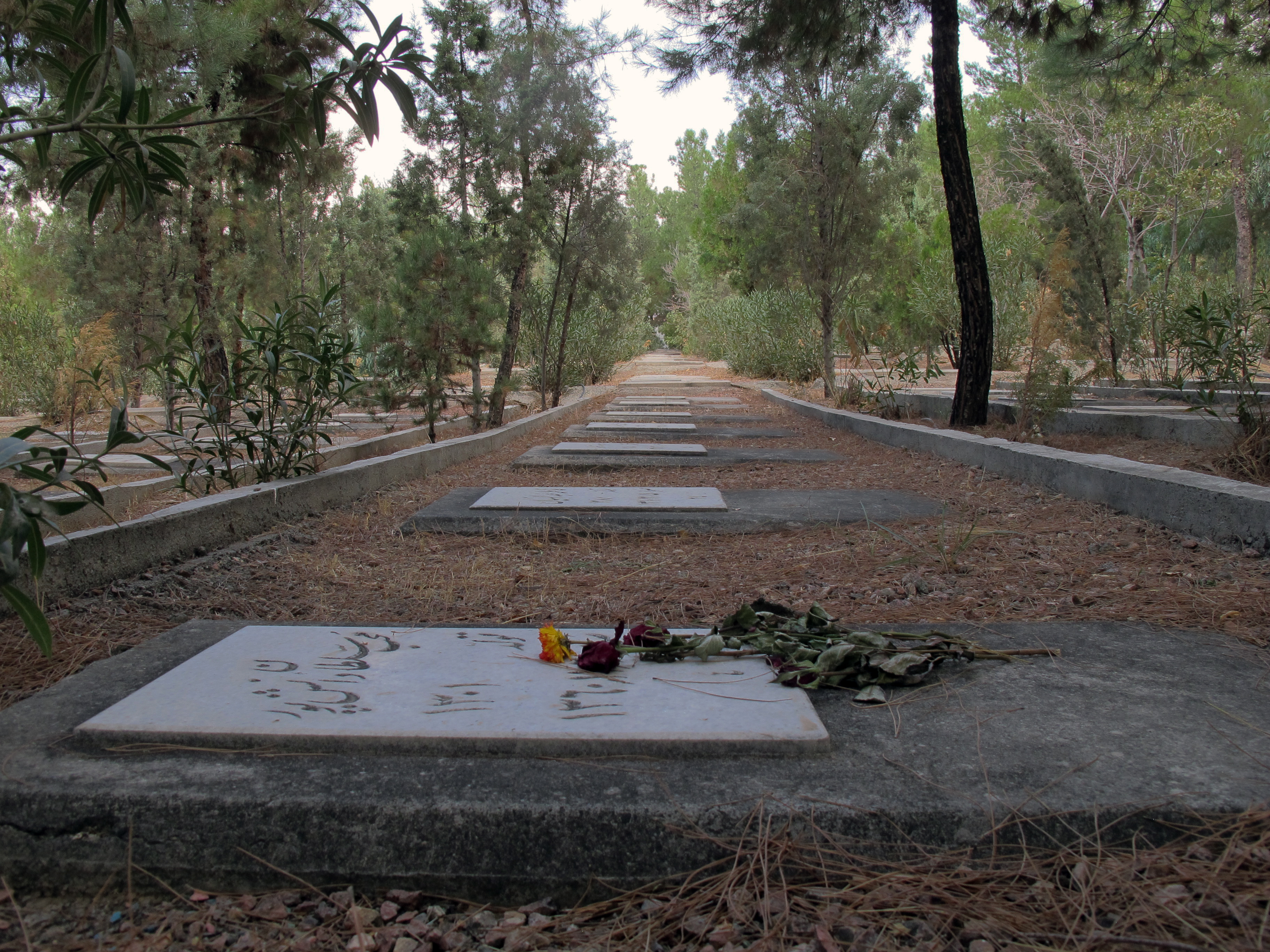
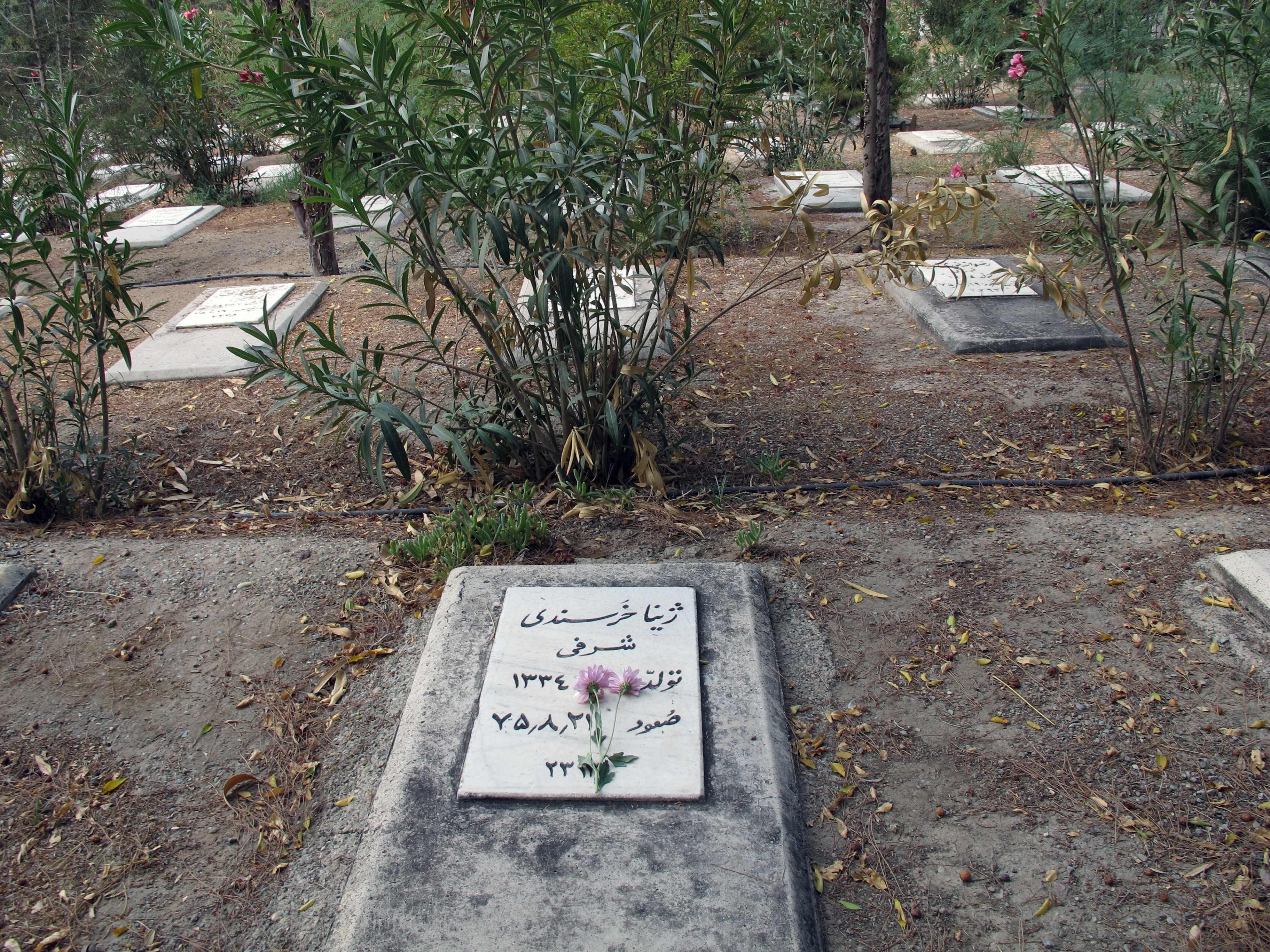
The cemetery has two separate sections, north and south: two enclosed plots, each behind metal gates and only a short distance from one another. The place bears the trace of what the Bahá’ís have endured. You feel it in its silence and isolation, and in its dignity and simplicity. The gravestones are plain, uniform, and neatly arranged, set within a calming blend of green and grey.
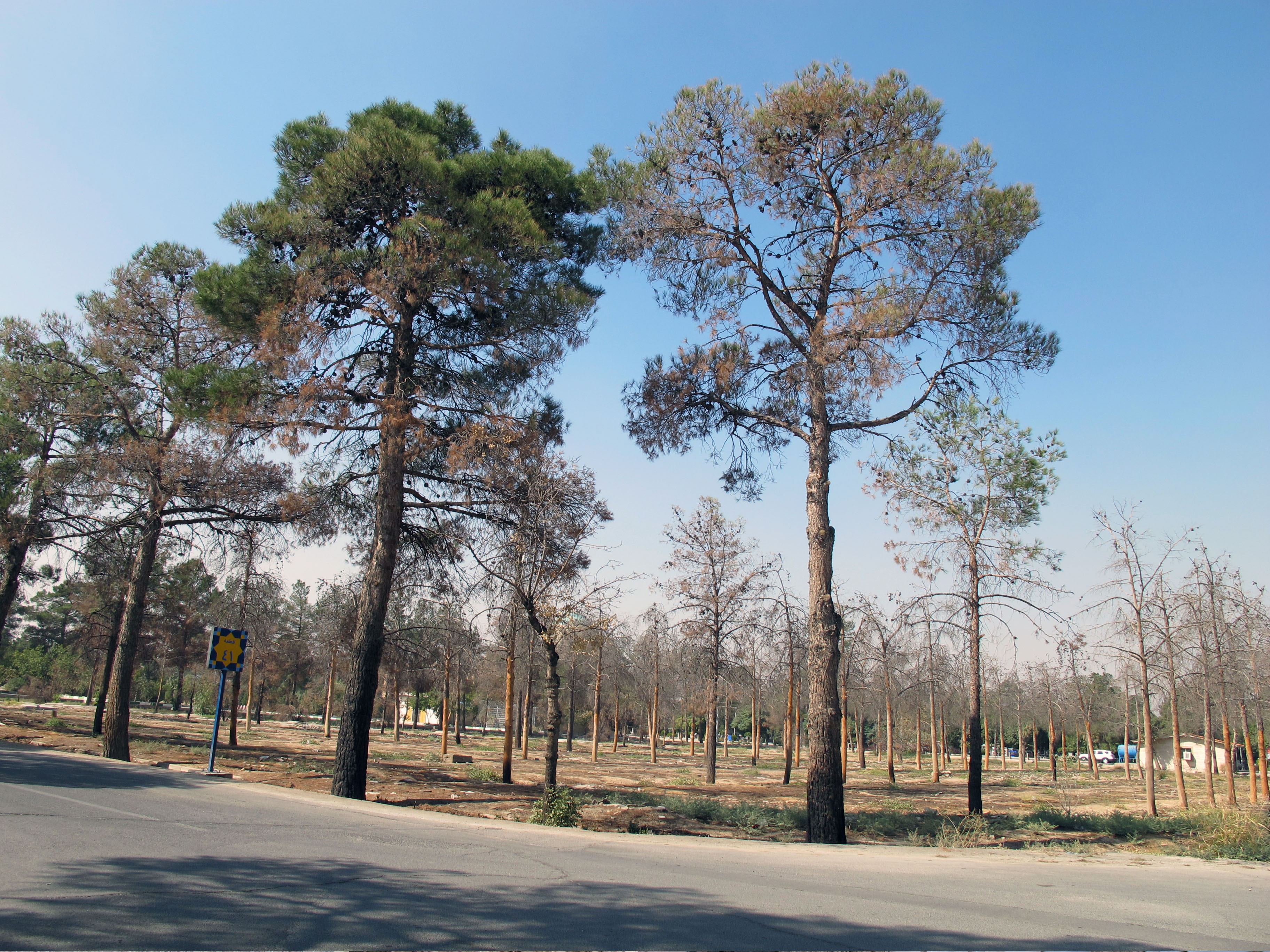
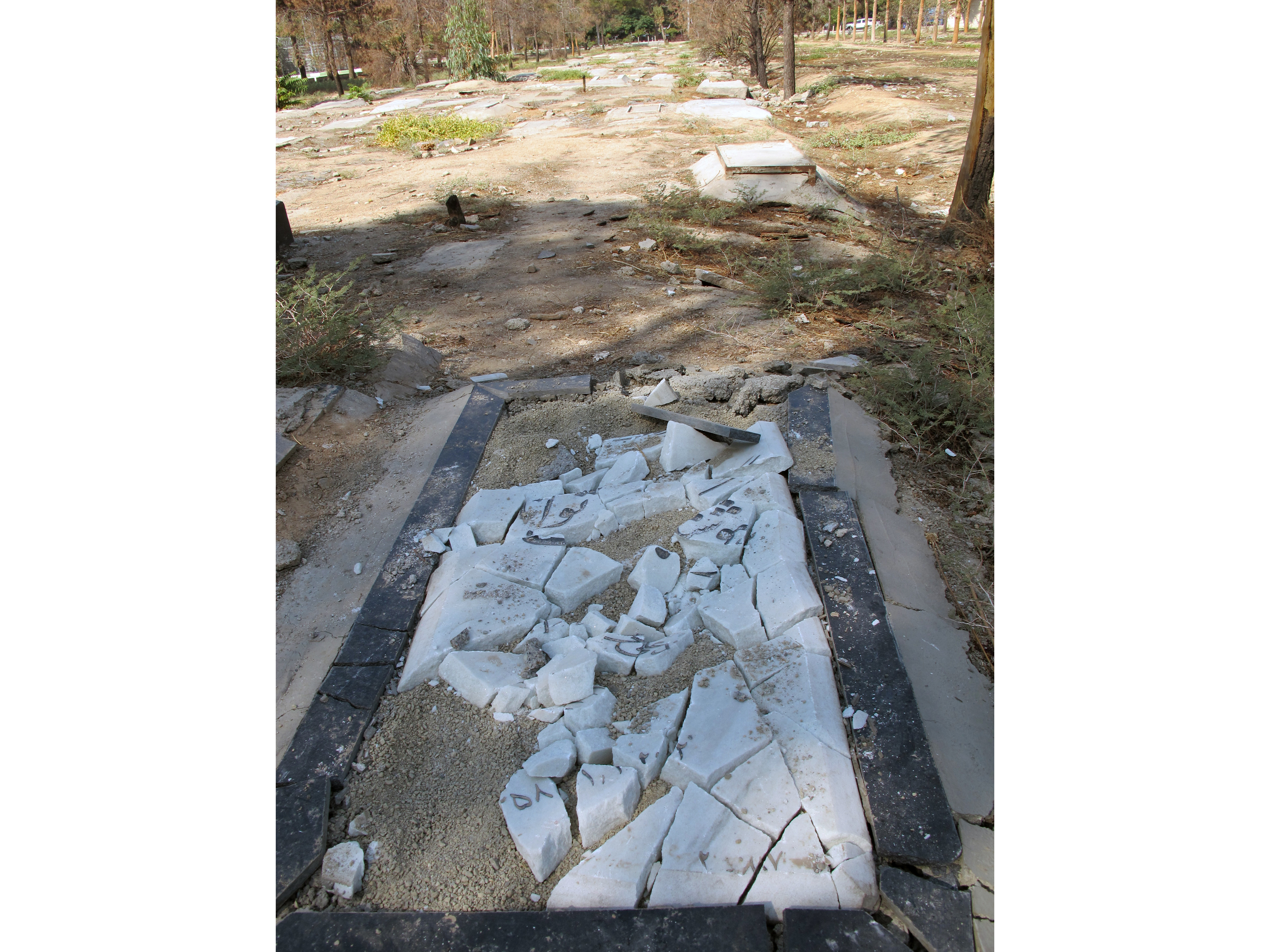
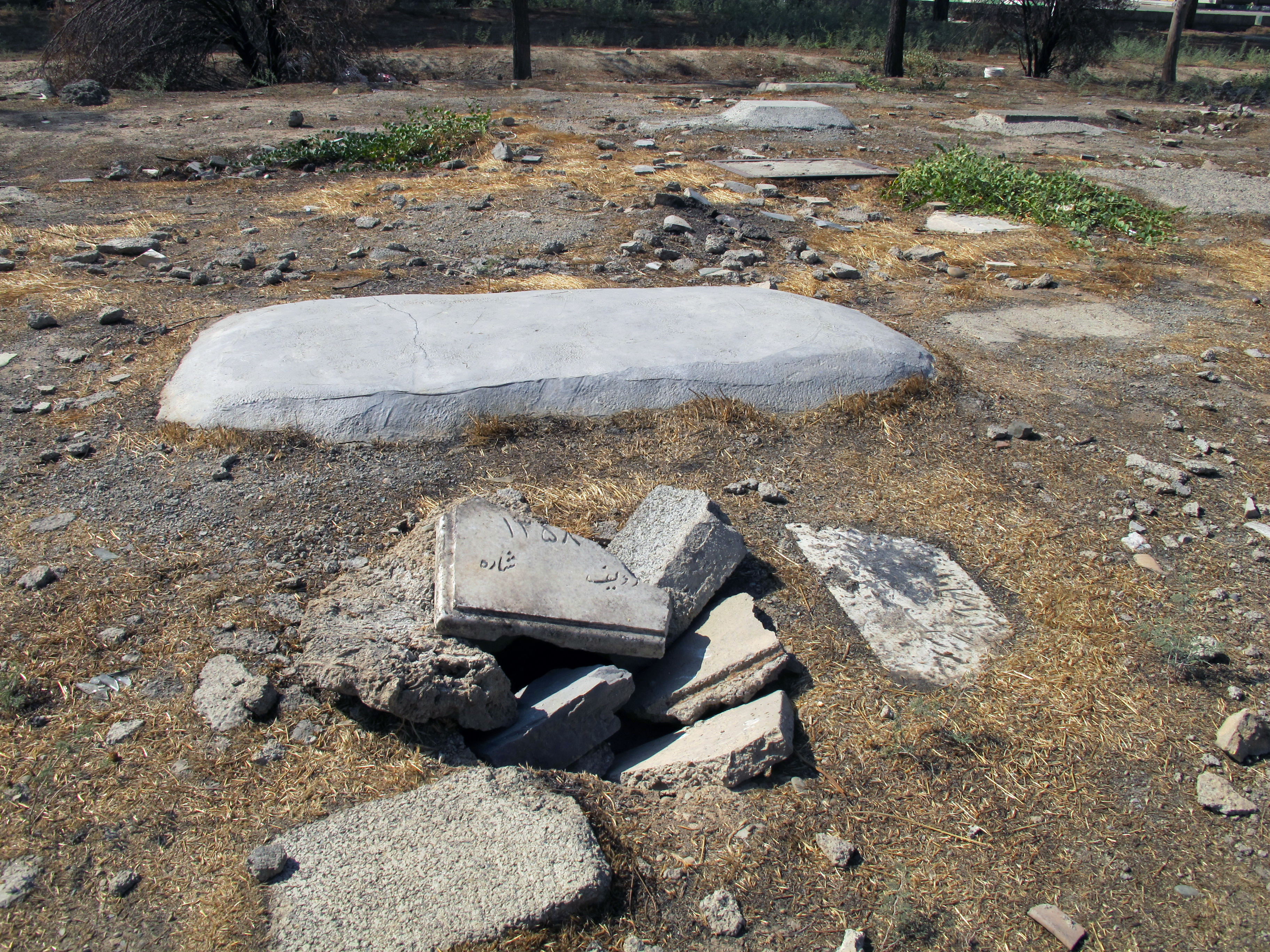
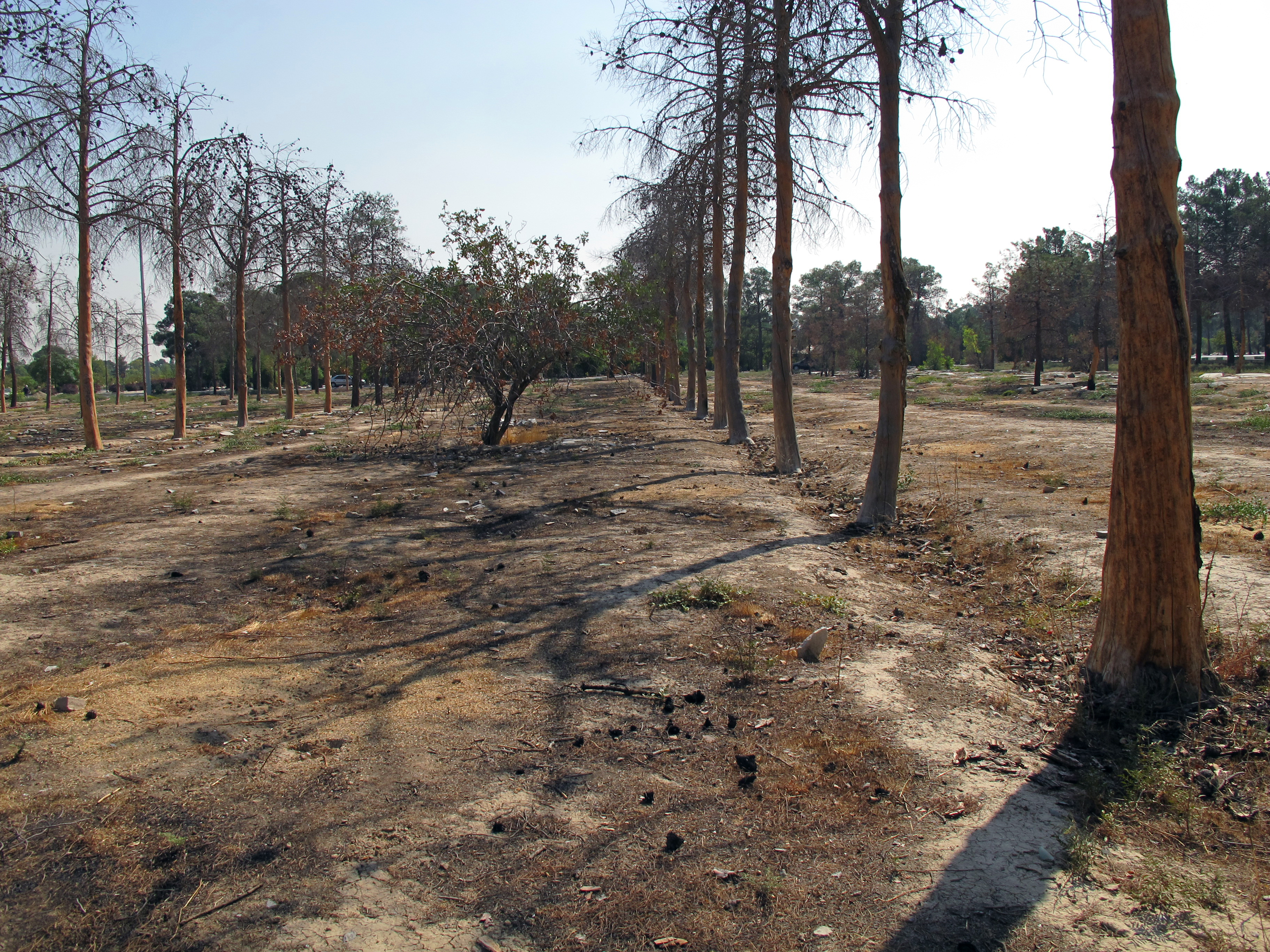
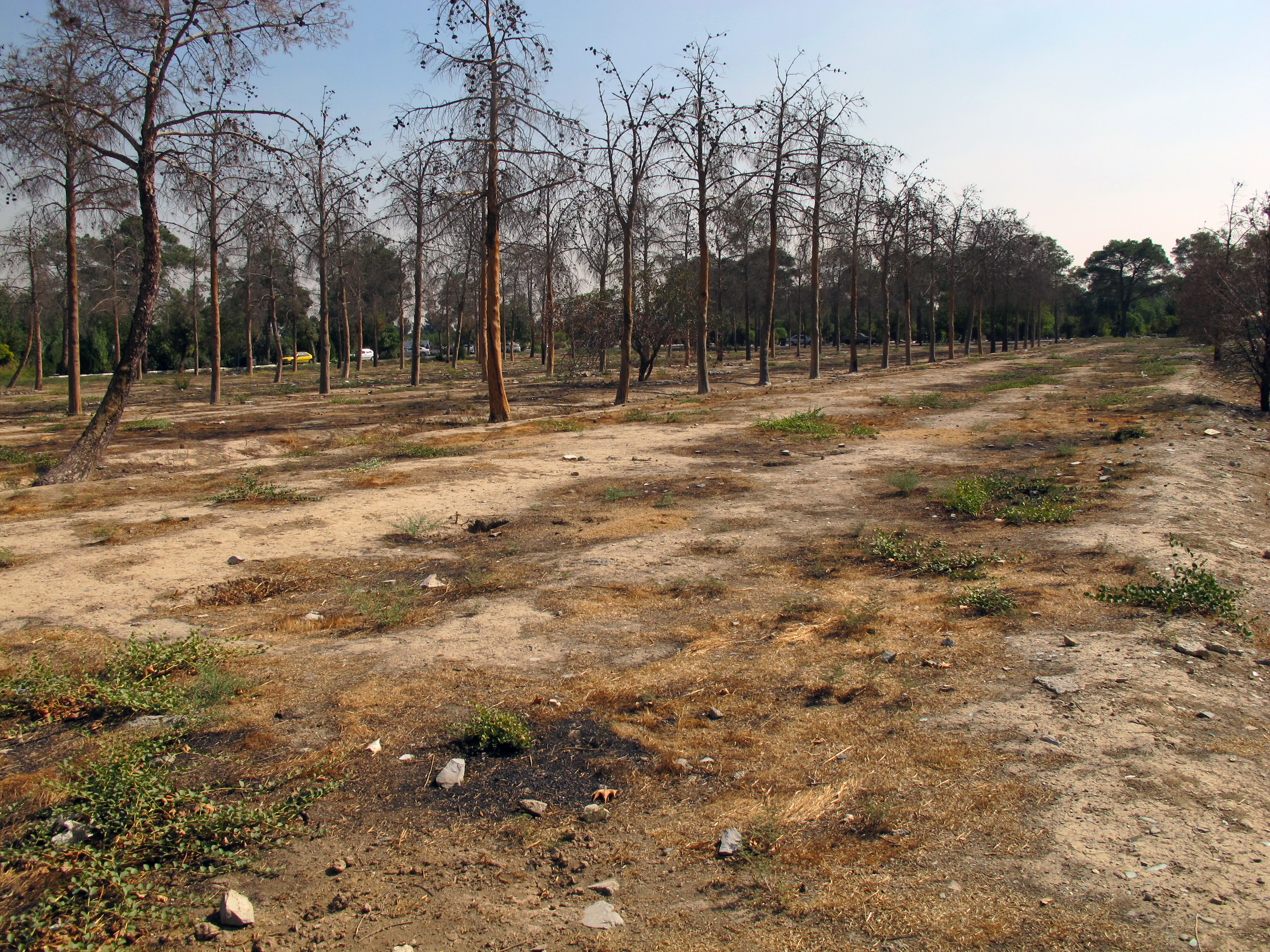
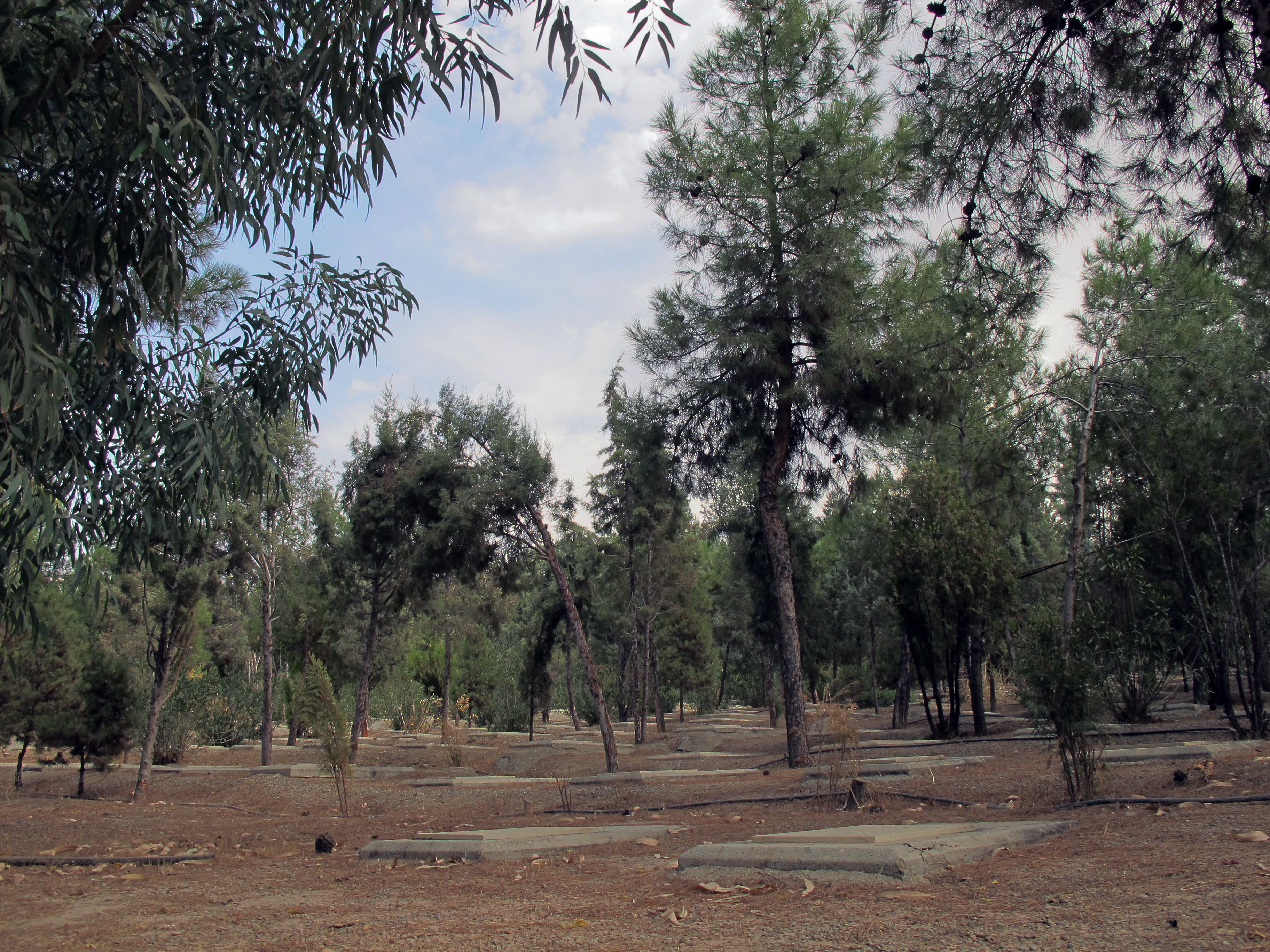
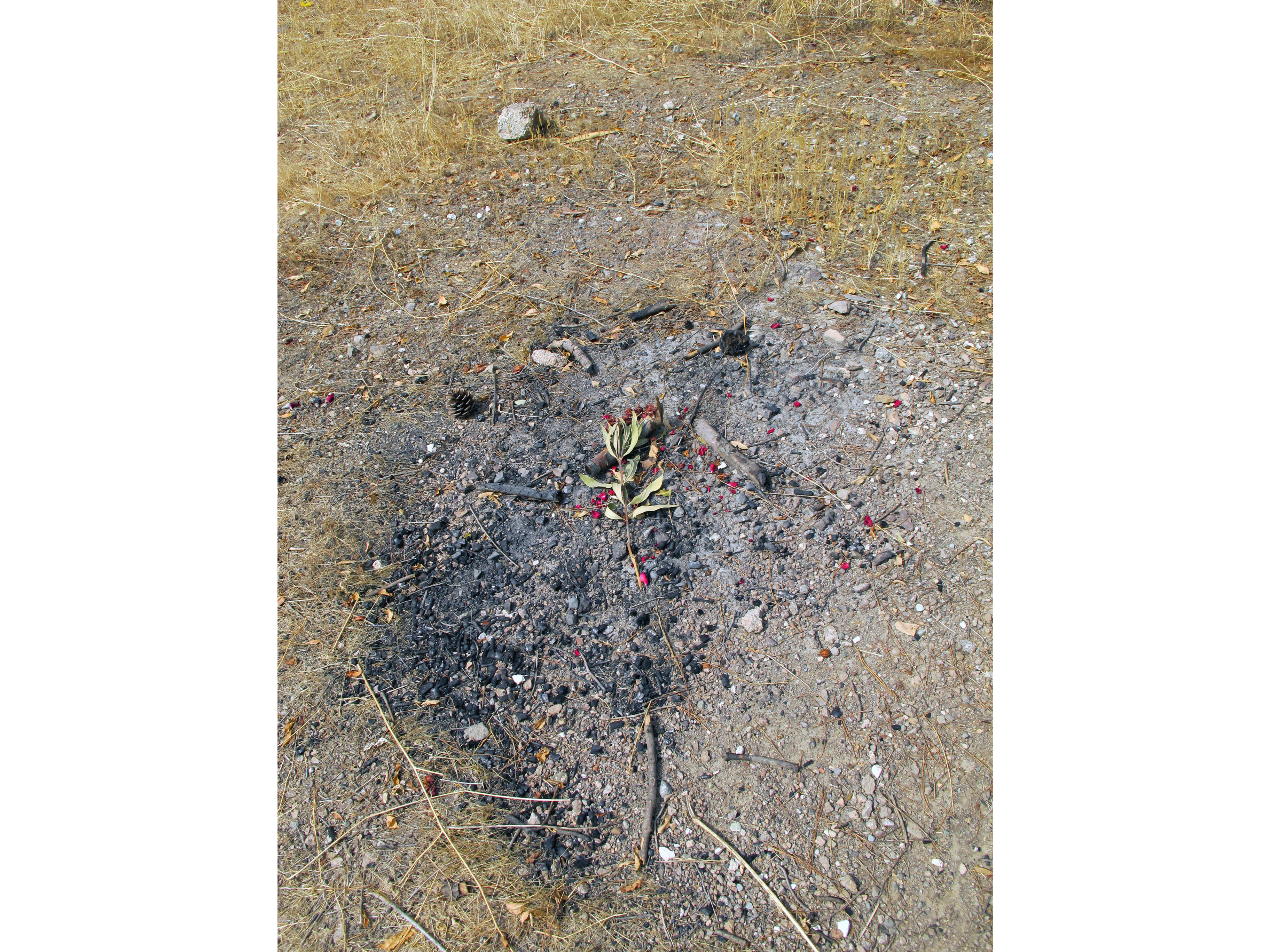
Section 41 of Behesht-e Zahra cemetery belongs to members of Iran’s leftist organizations who were executed after the revolution—groups such as the Mojahedin-e Khalq and others. The ground there is scorched, its gravestones shattered and destroyed. Burning the earth in this section also killed some of the trees that once grew there.
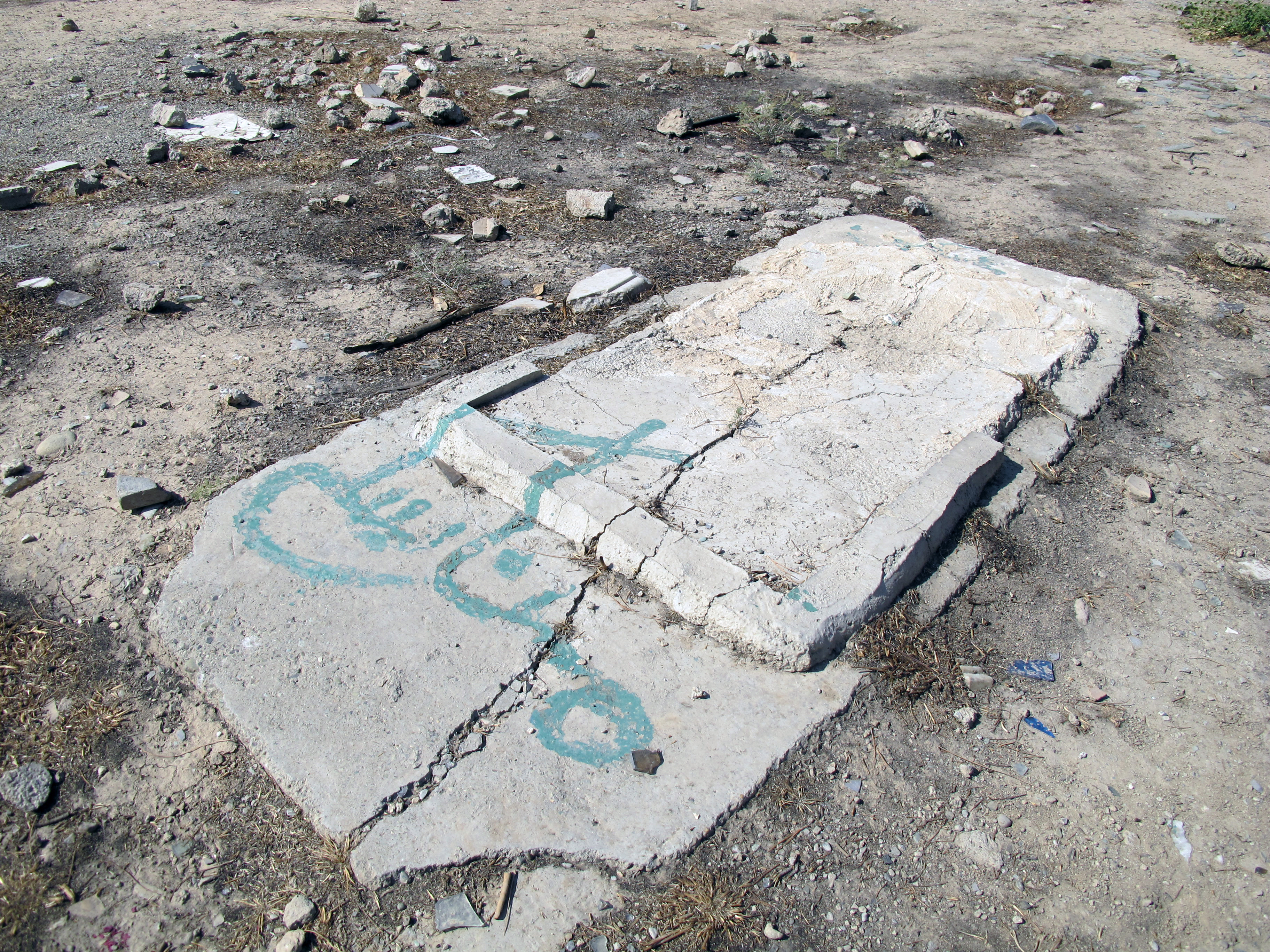
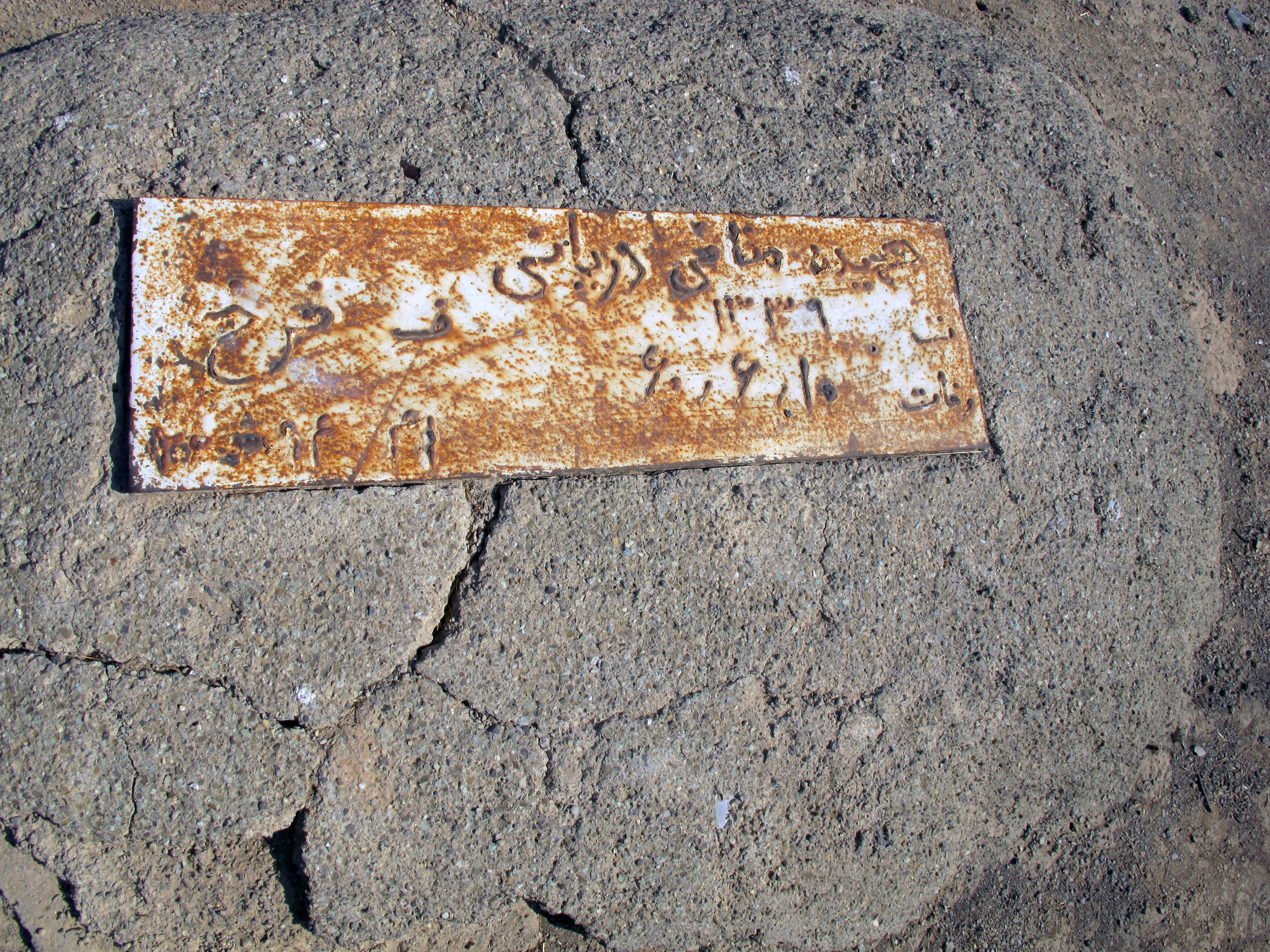
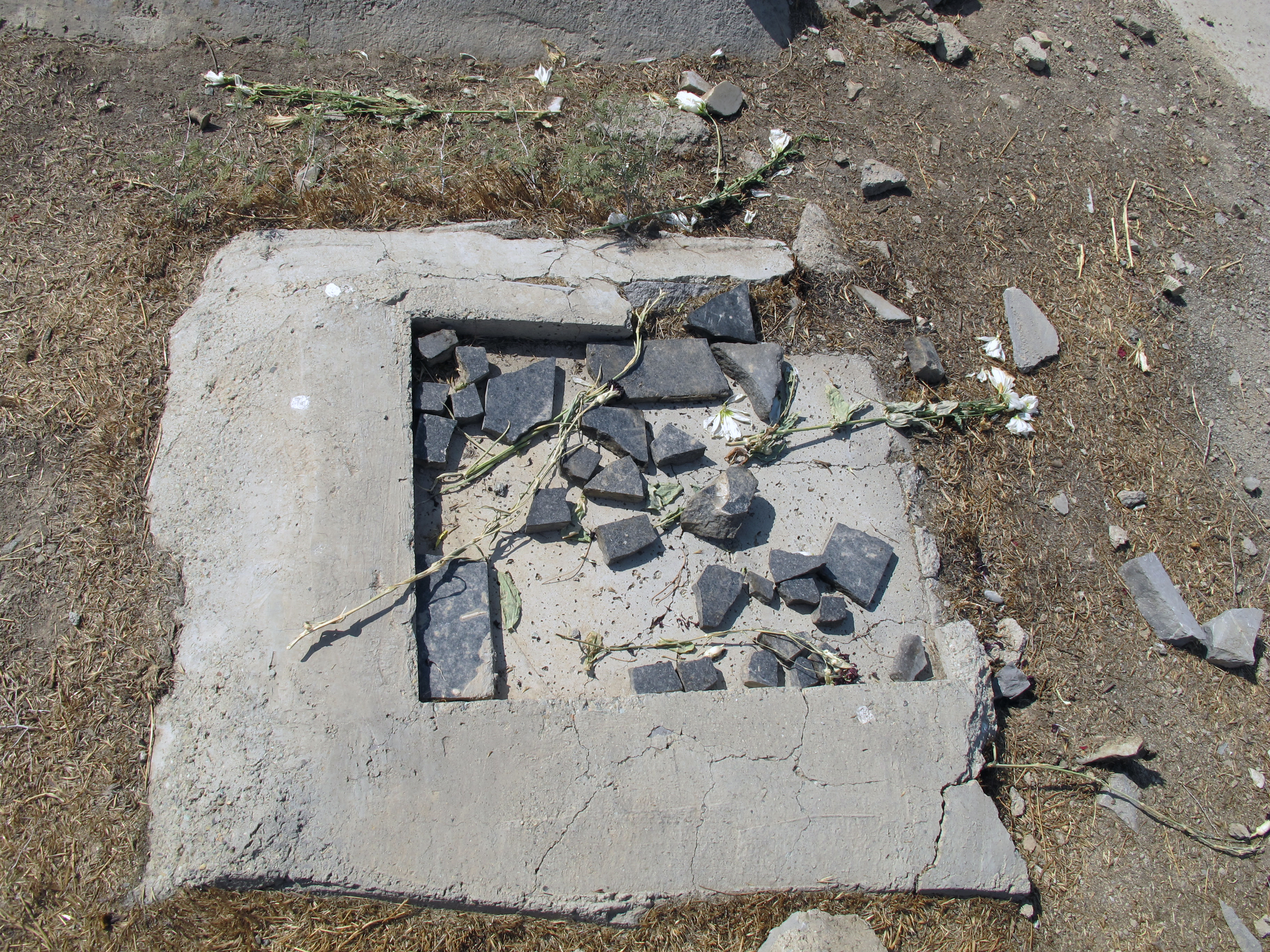
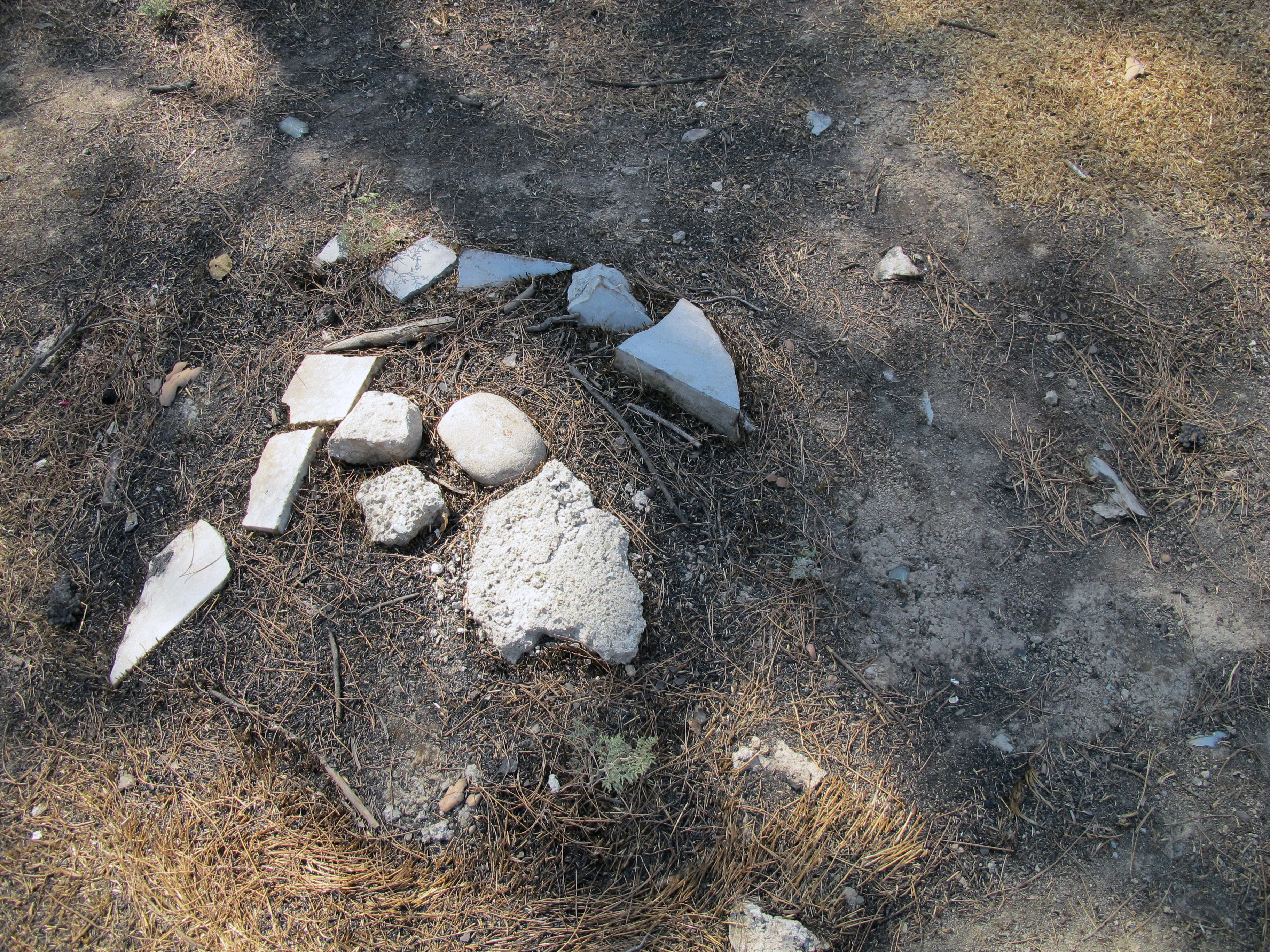
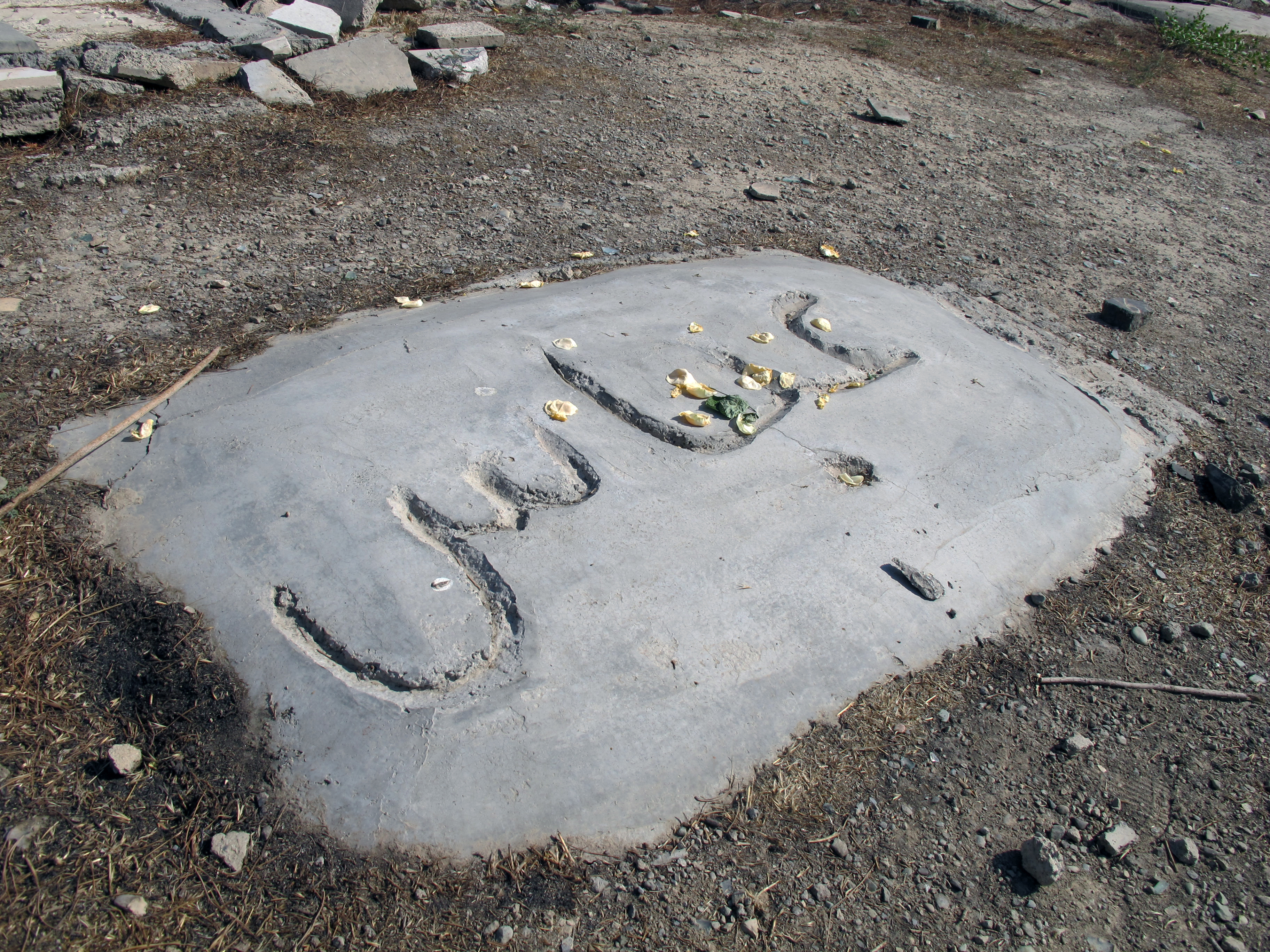
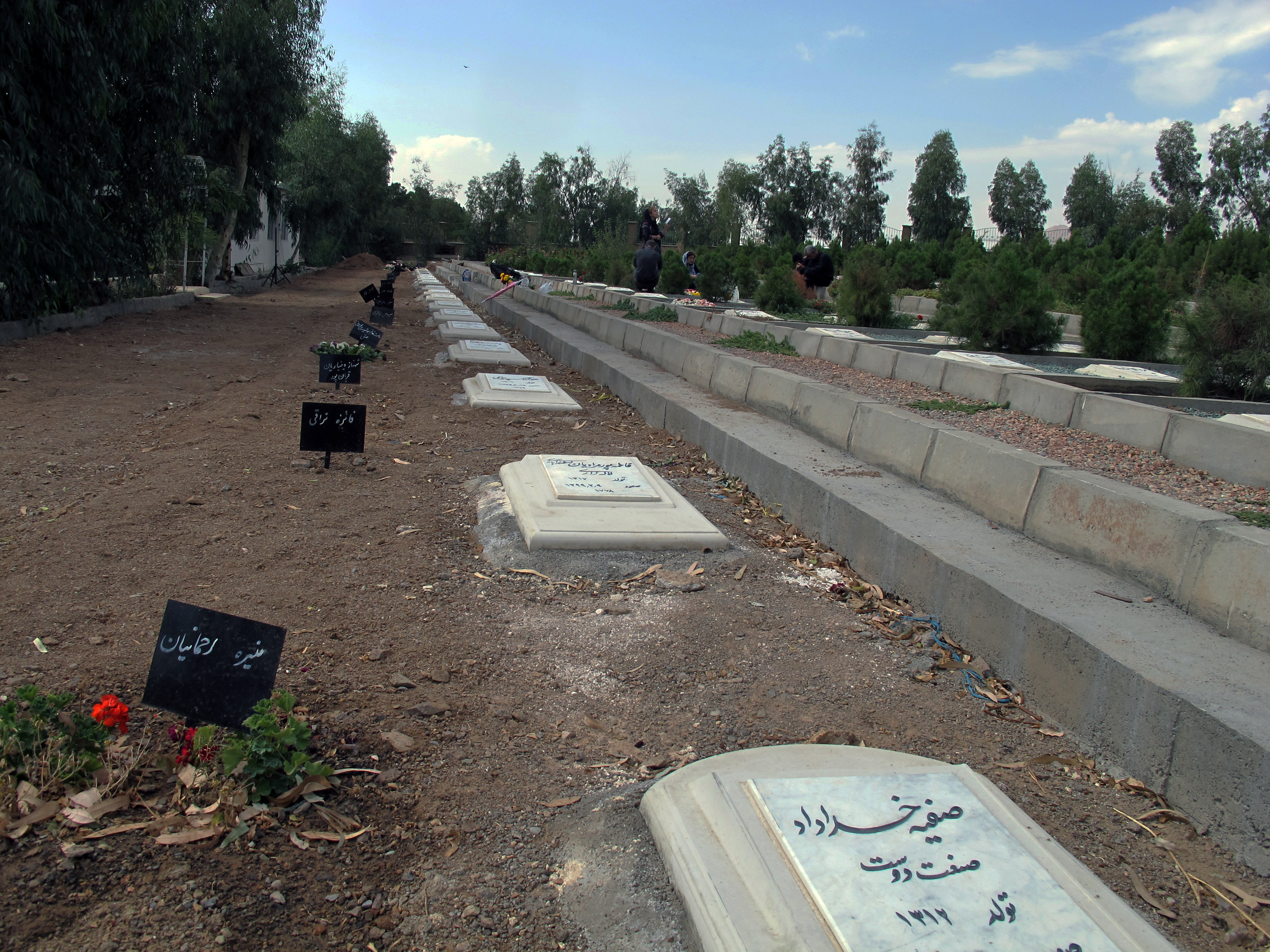
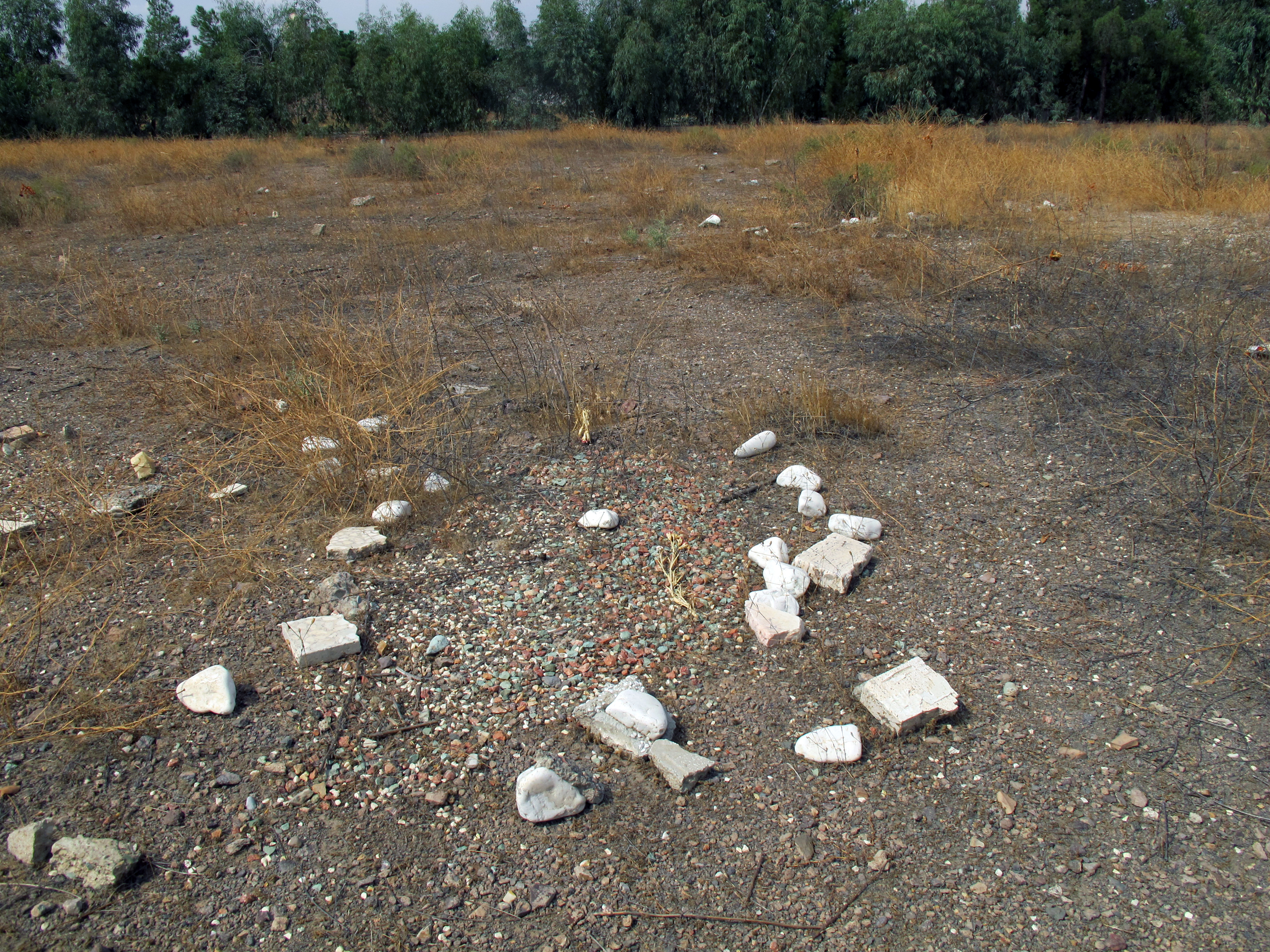
In a sorrowful effort, the families of the dead have tried to preserve what remains: keeping fragments of the broken stones, placing rocks of distinctive shapes as markers for those who know where to look, nailing metal plaques, which are now rusted and fading, after many years, or building small raised slabs of cement with a name scratched onto them. In these small gestures they carry on a quiet resistance against forgetting.
Everyone has the right, after death, to a grave— with a name and a marker, a place where their memory can endure and where those left behind may find some measure of peace.
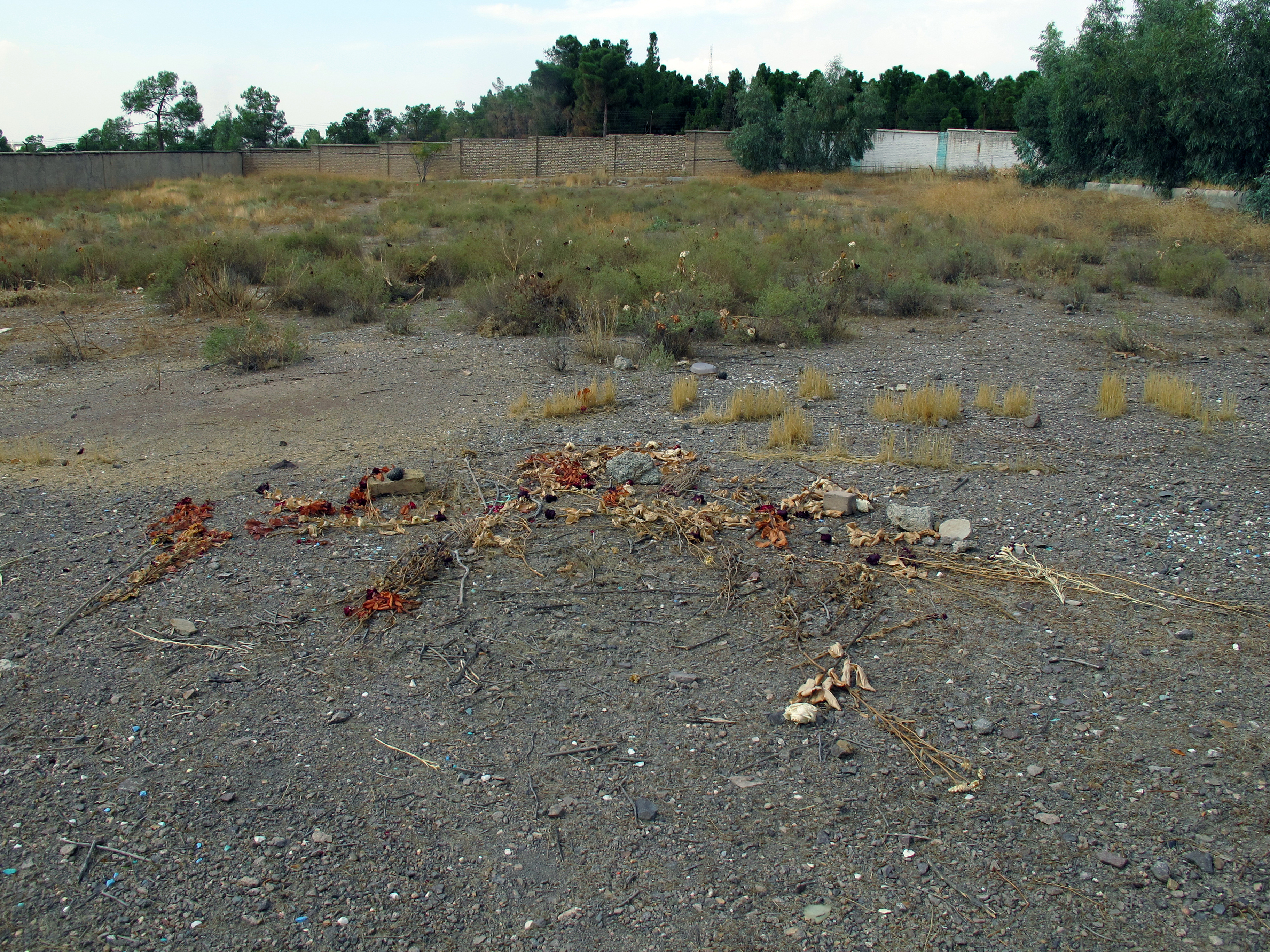
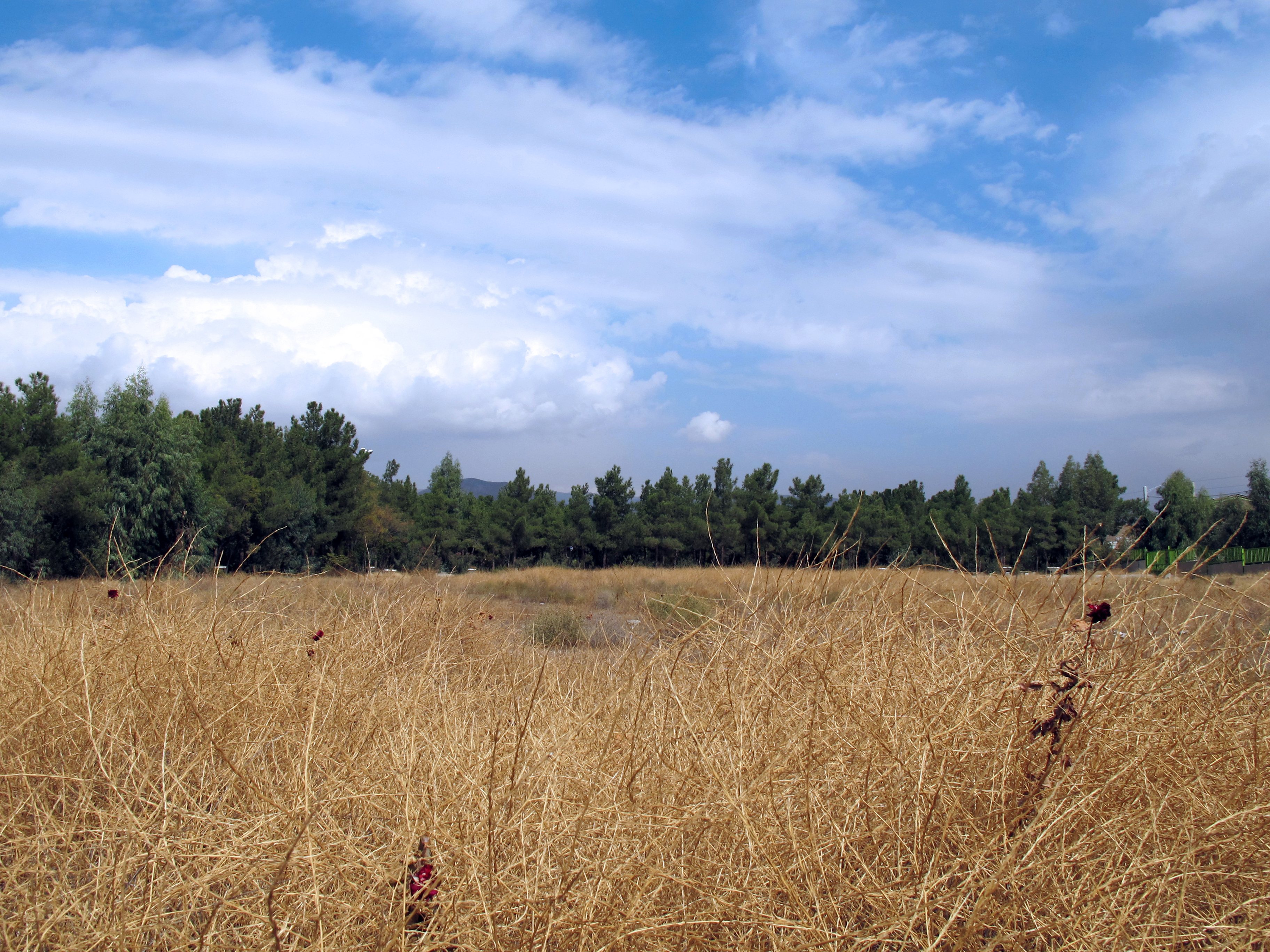
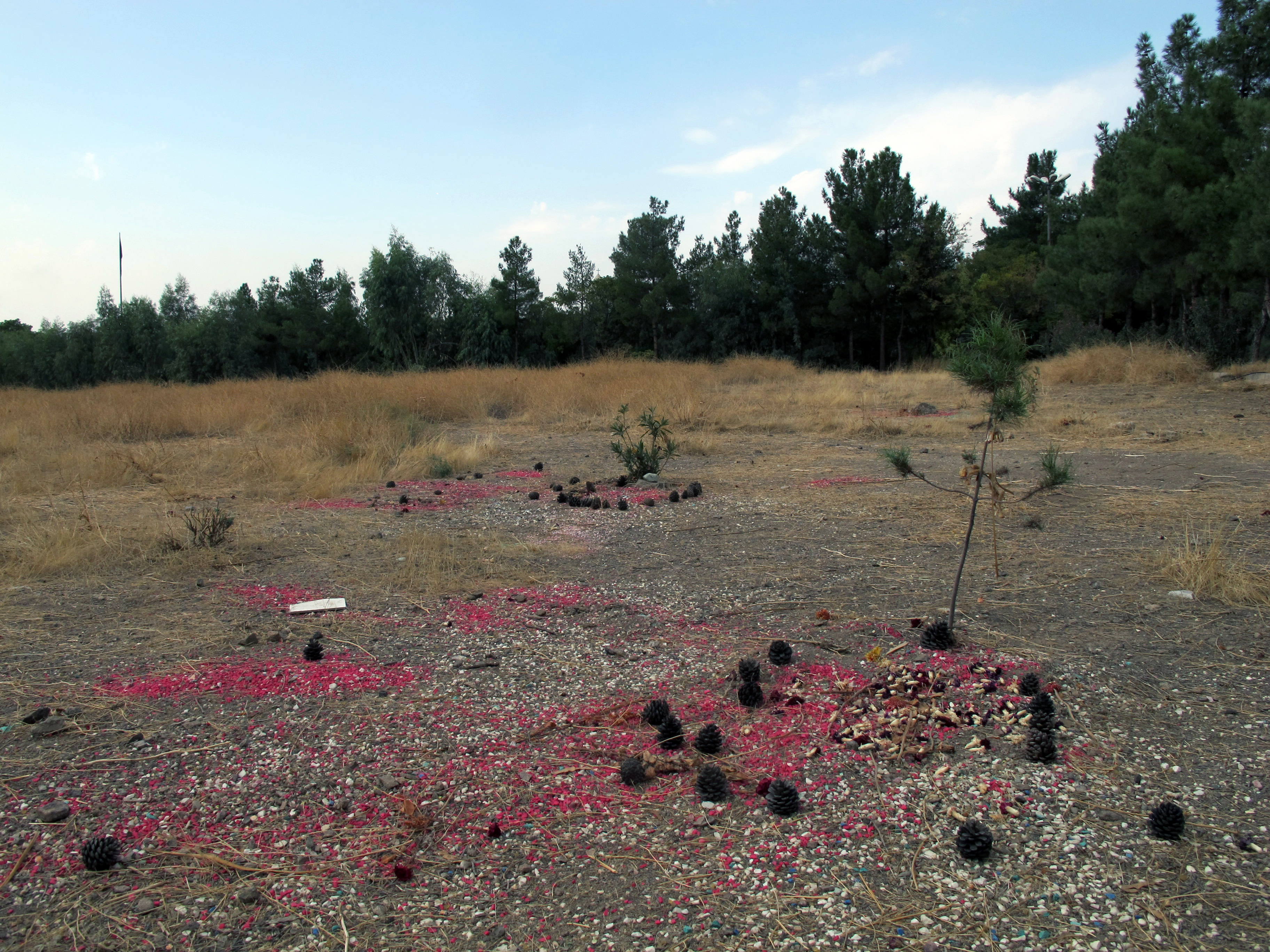
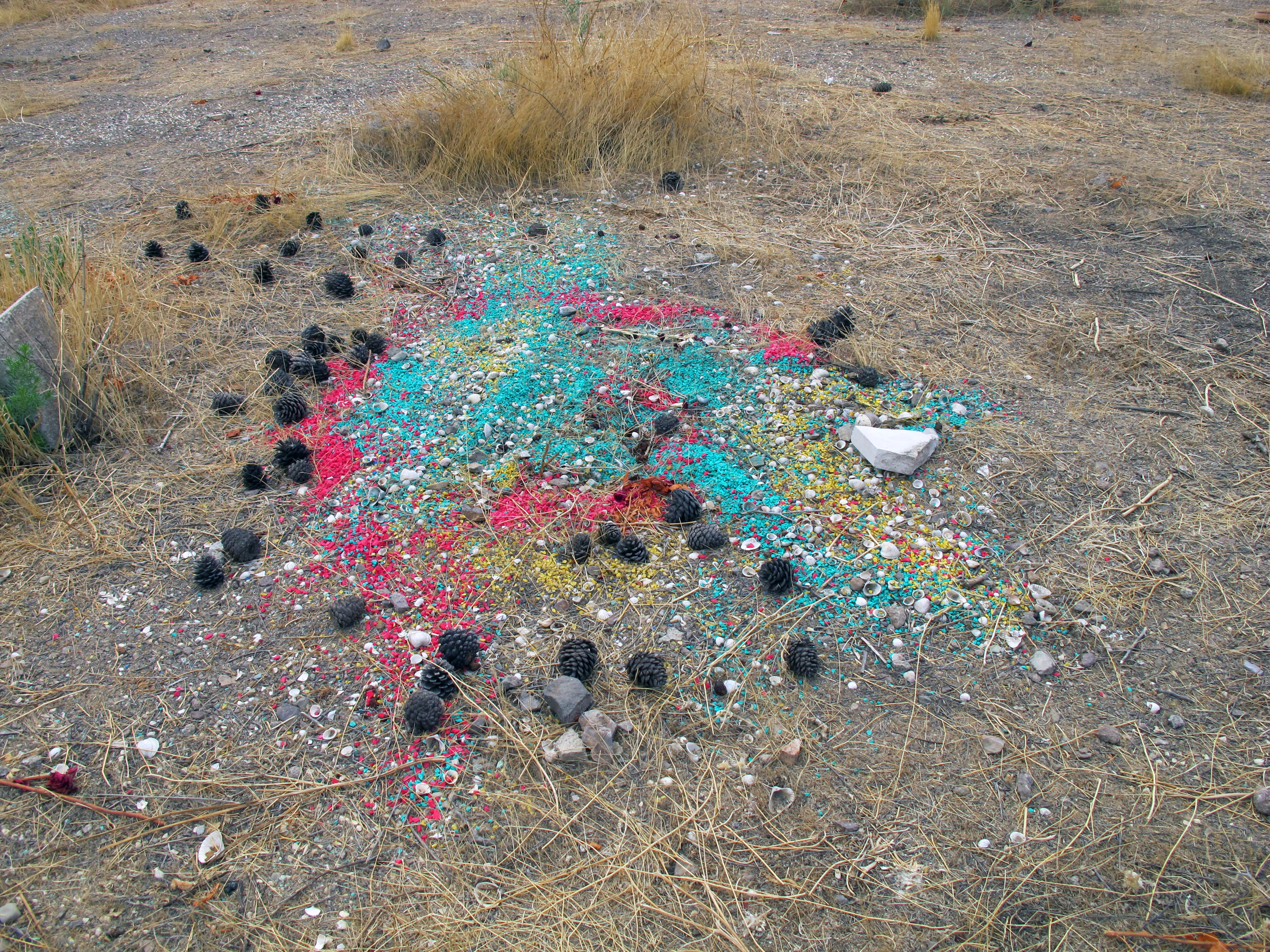
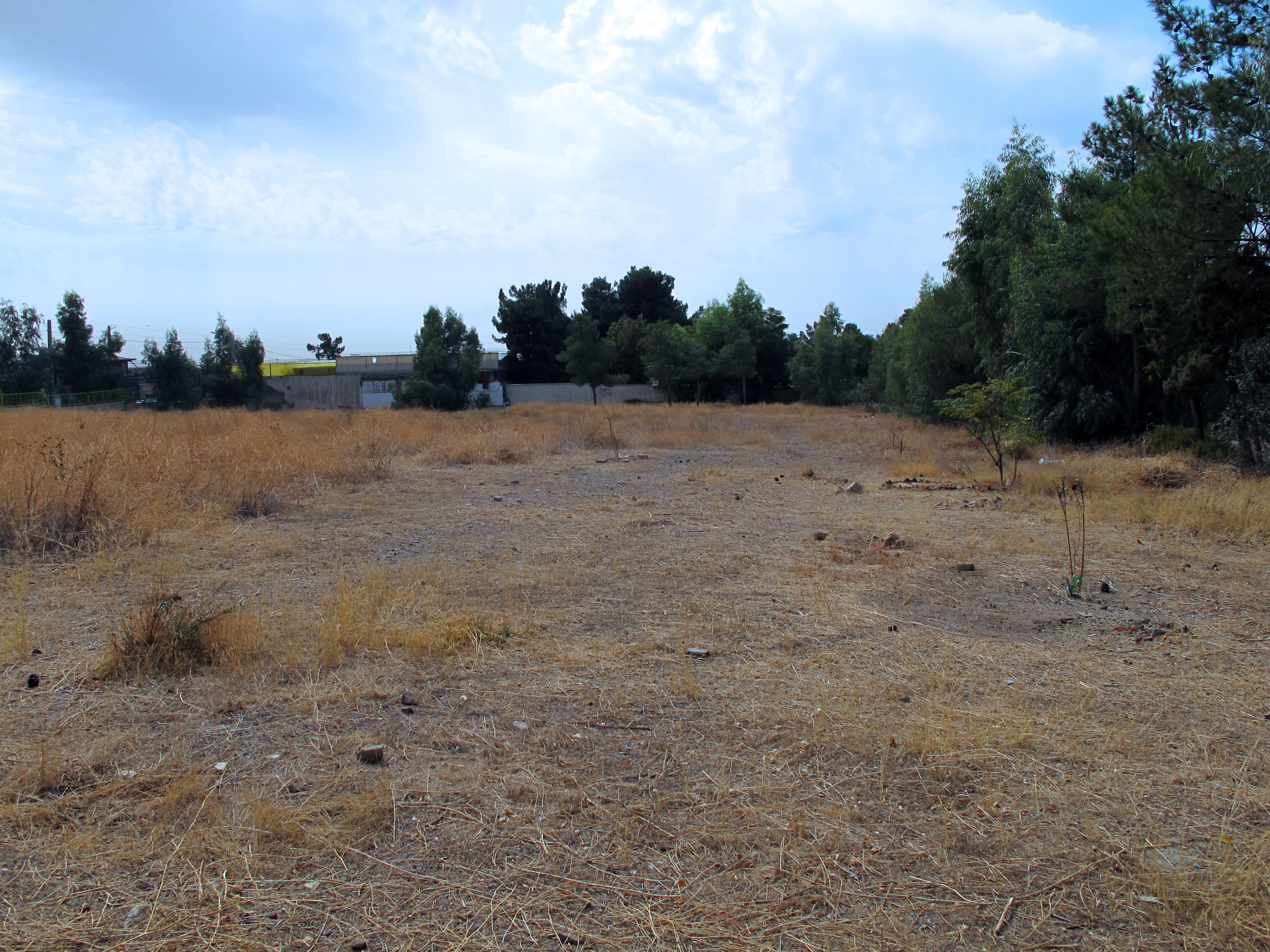
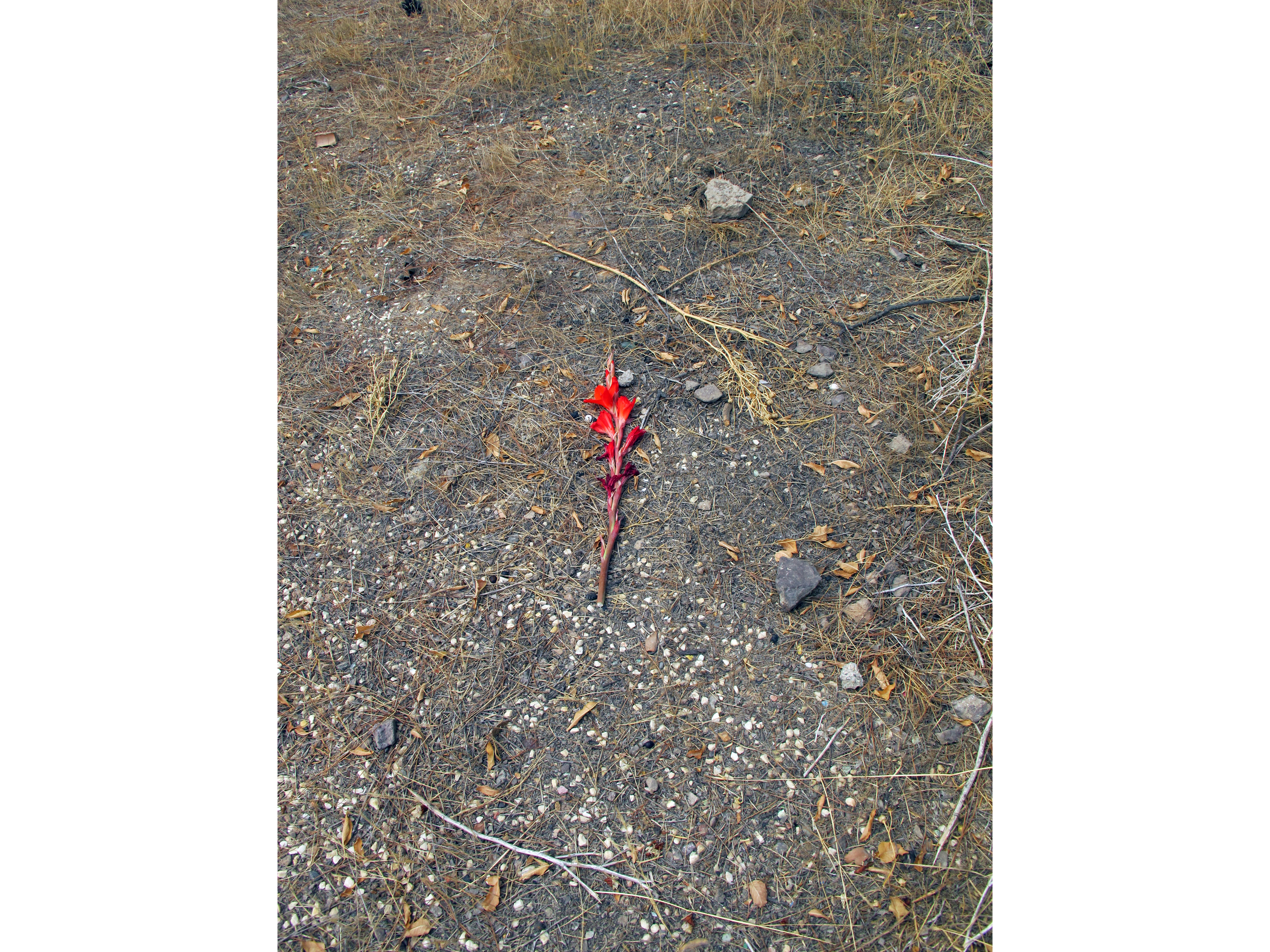
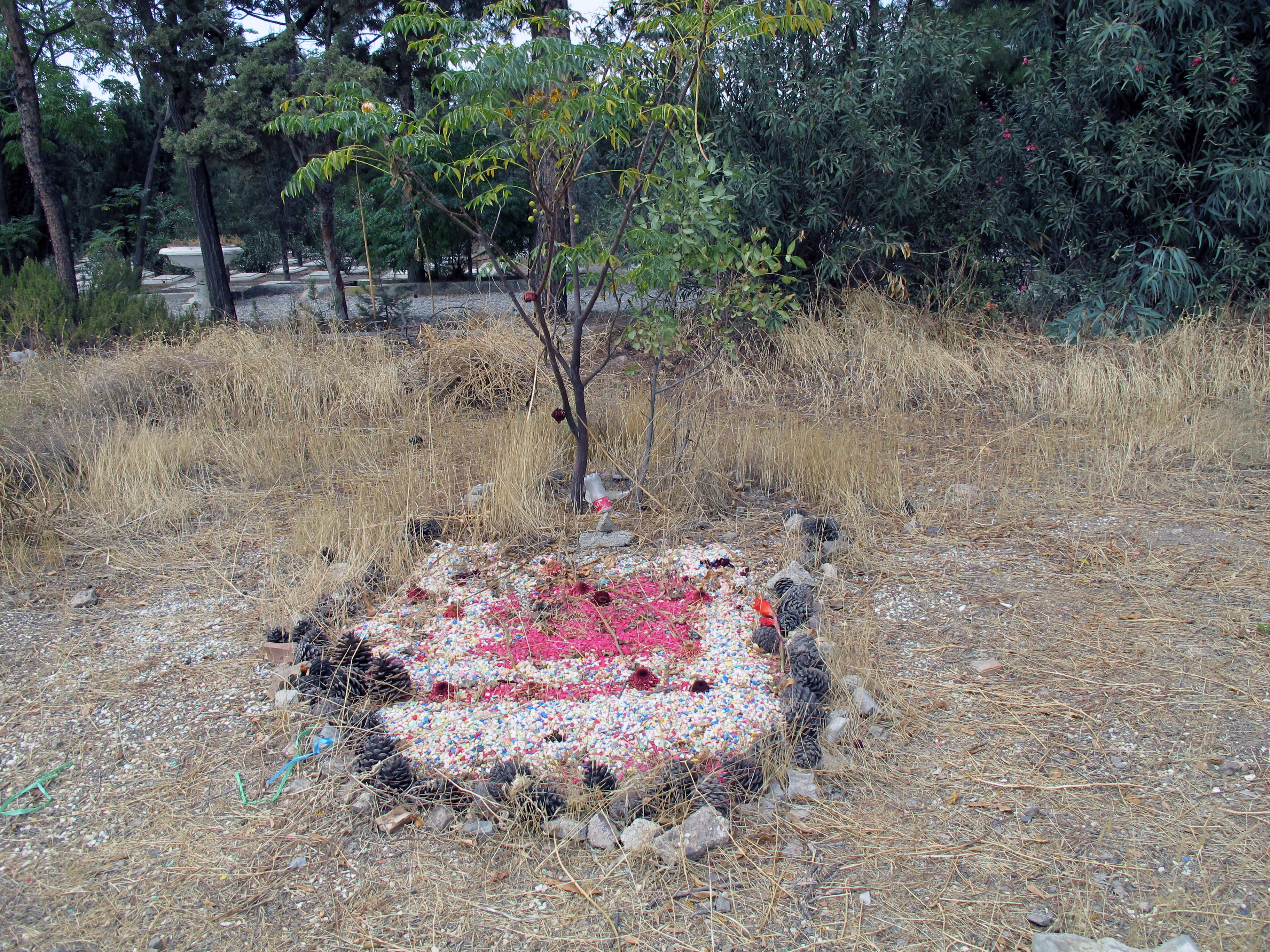
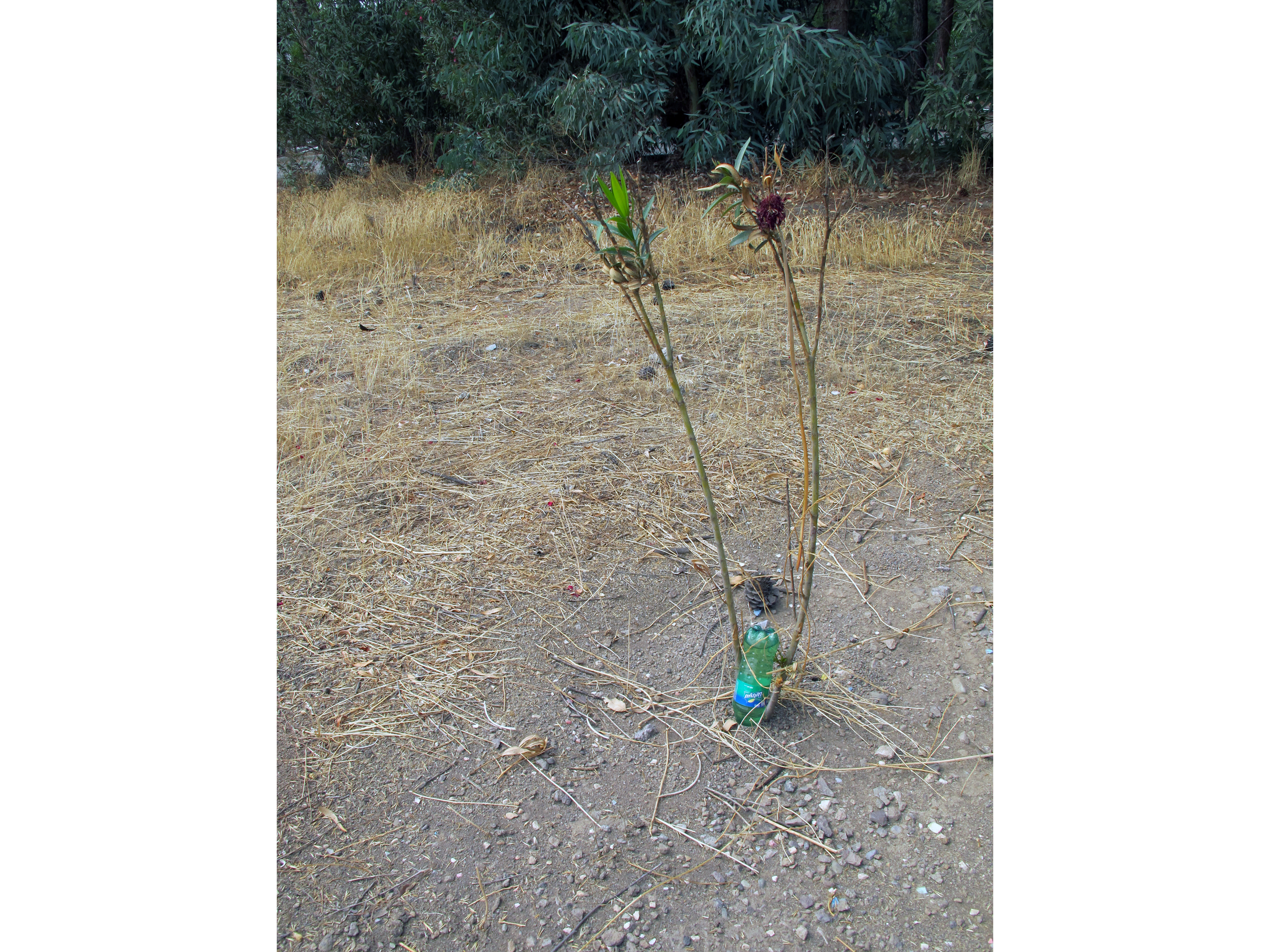
Khavaran cemetery—including the two empty plots beside the Bahá’í cemetery in southeastern Tehran—is an abandoned, unmarked ground under constant security surveillance. Yet this bare earth continues to keep alive the memory of members of Iran’s leftist organizations executed in the mass killings of 1988. Here and there, small coloured stones—turquoise and red—pinecones, fragile young trees struggling to survive, a few shrubs, and dry branches of red roses mark the site: small signs of resistance against forgetting.