
Lonely Graves

By Shaghayegh Sadeghi

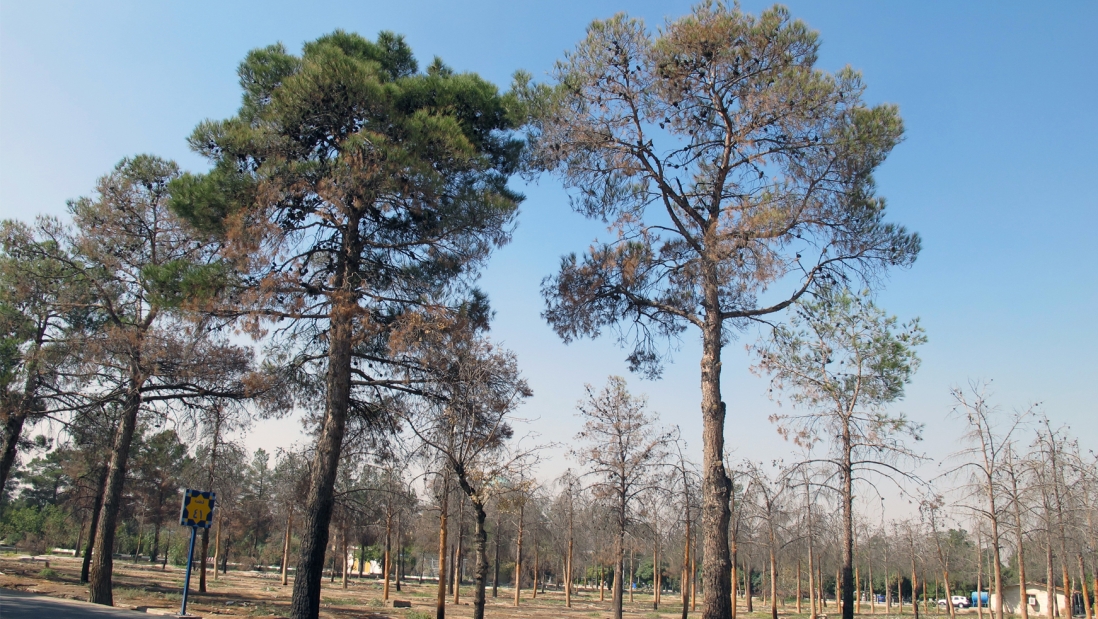
The Bahá’í cemetery lies alone along Khavaran Road in the southeast of Tehran, not far from the Christian cemetery. Yet while the Christian burial ground has a clearly marked entrance, a sign, and its own access road, the Bahá’í cemetery—just a short distance away—has no address, no sign, no indication that it is there.

The Winter of the Kolbars

By Morteza Bahmani

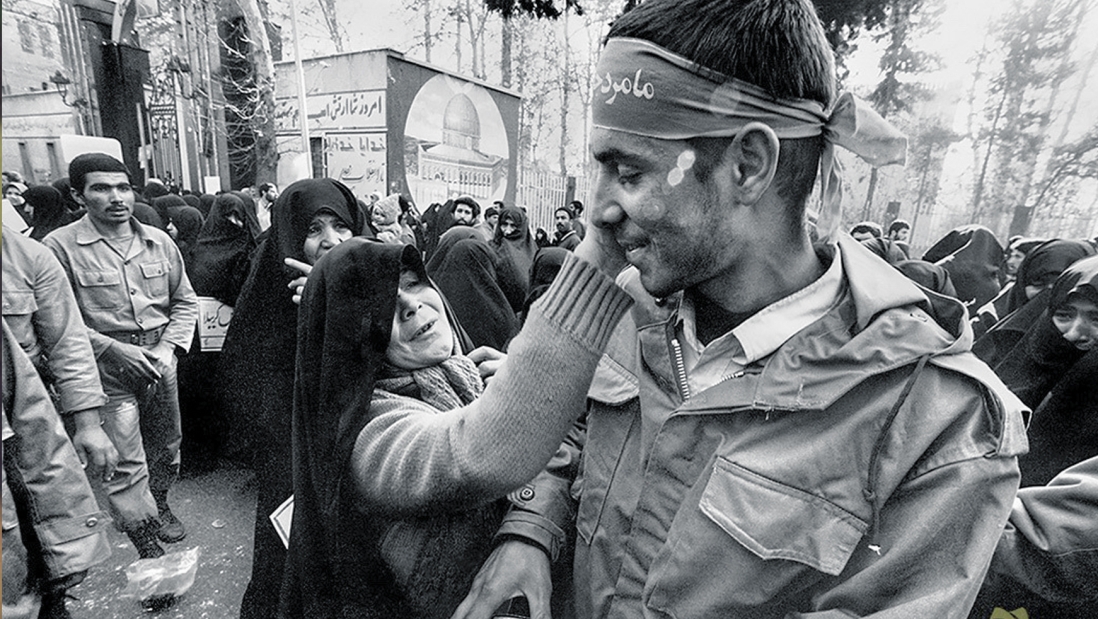
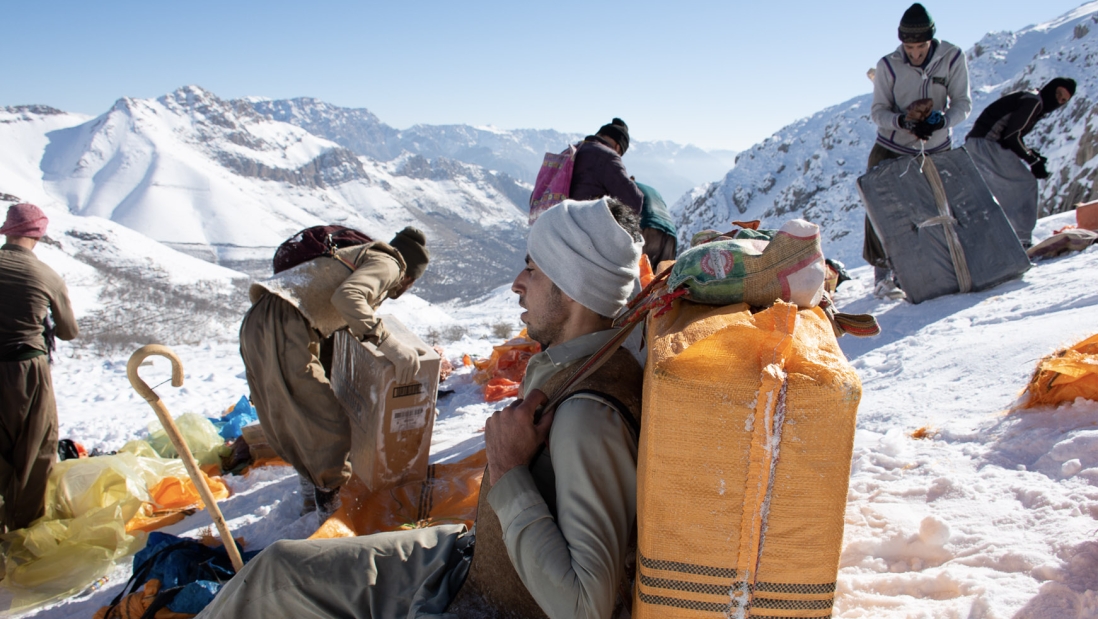
I stood there amid the stream of kolbars pouring down the mountain all at once, taking pictures. A young man with a small frame passed in front of me. A large box of cigarettes was strapped to his back. He could easily have been me, or one of my friends.

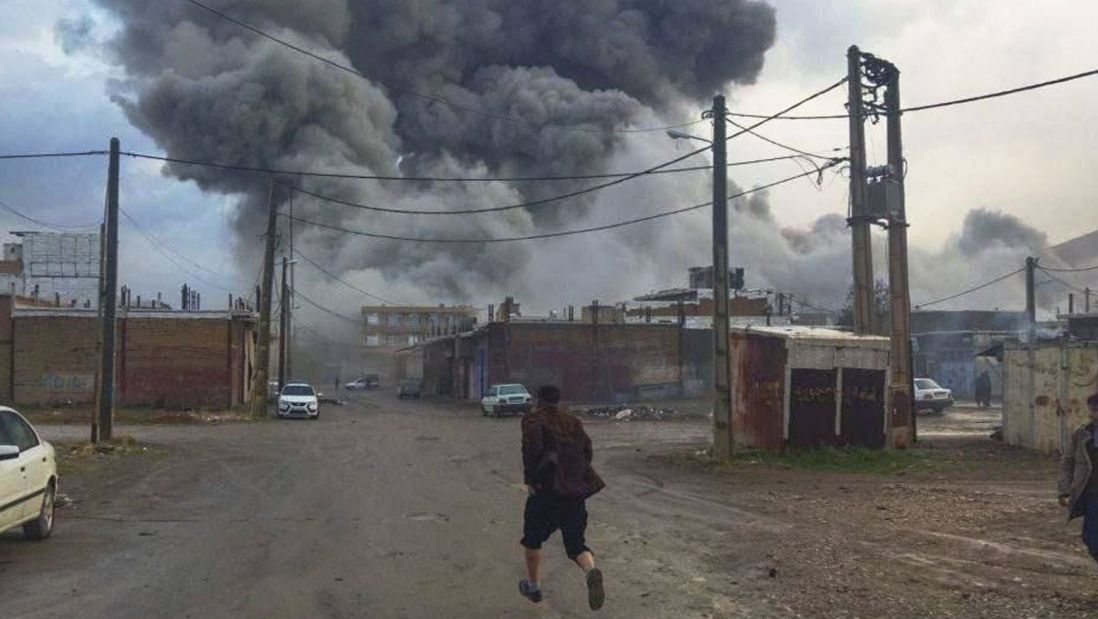
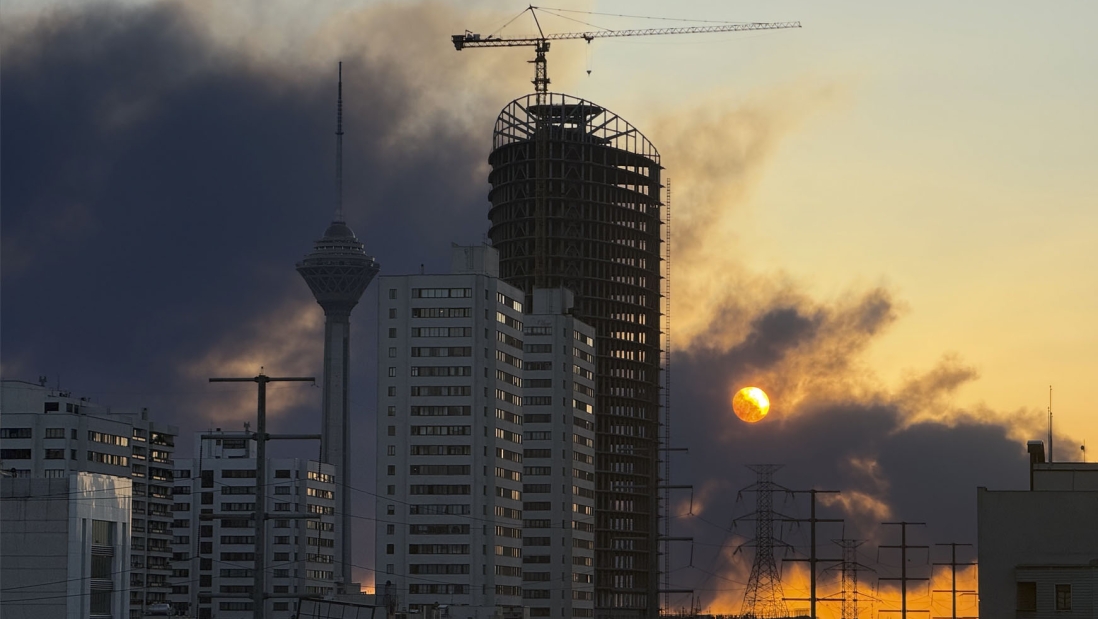
Tehran at War: No Shelters, No Sirens. But the Cameras Still Work

Ziba Soltani

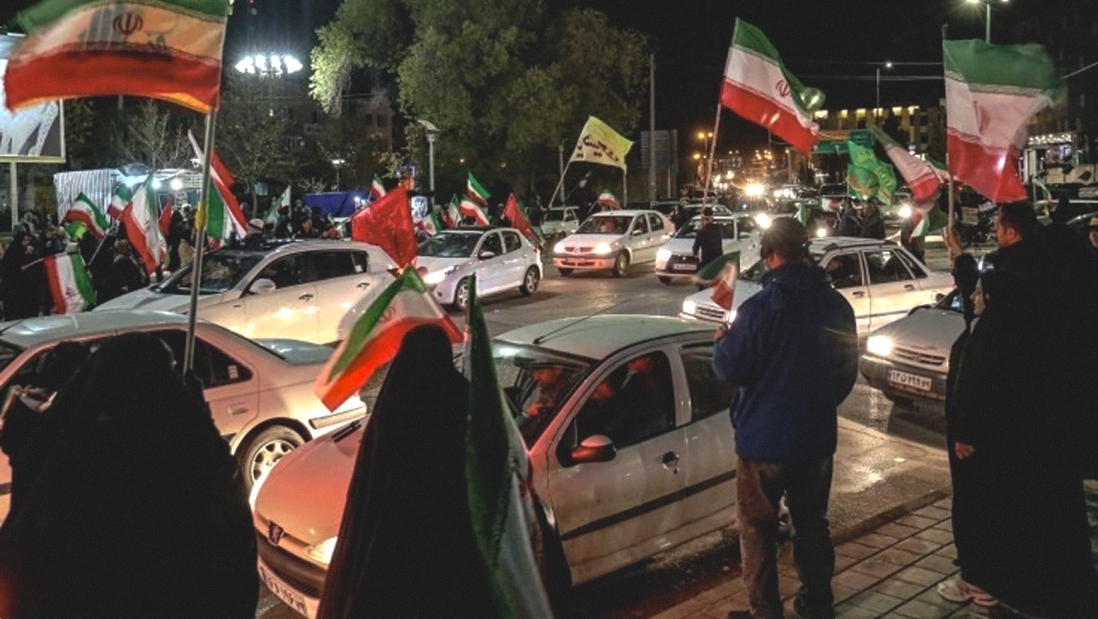
Outside, groups of regime supporters drive through the streets again. Motorcycles and cars carrying Iranian flags. They shout “Allah-o-Akbar” and “Heydar Heydar.” They do not look like mourners. They look like they have just come from a political rally.

Three Notes from Tehran Under Attack

The streets feel empty, cold, and frightened. Security patrols are everywhere. Armed forces stand in the streets, sometimes with armoured vehicles... When I hear the jets, I feel a wave of panic. But when I go up to the roof to see where the explosion happened, the panic somehow becomes less intense.

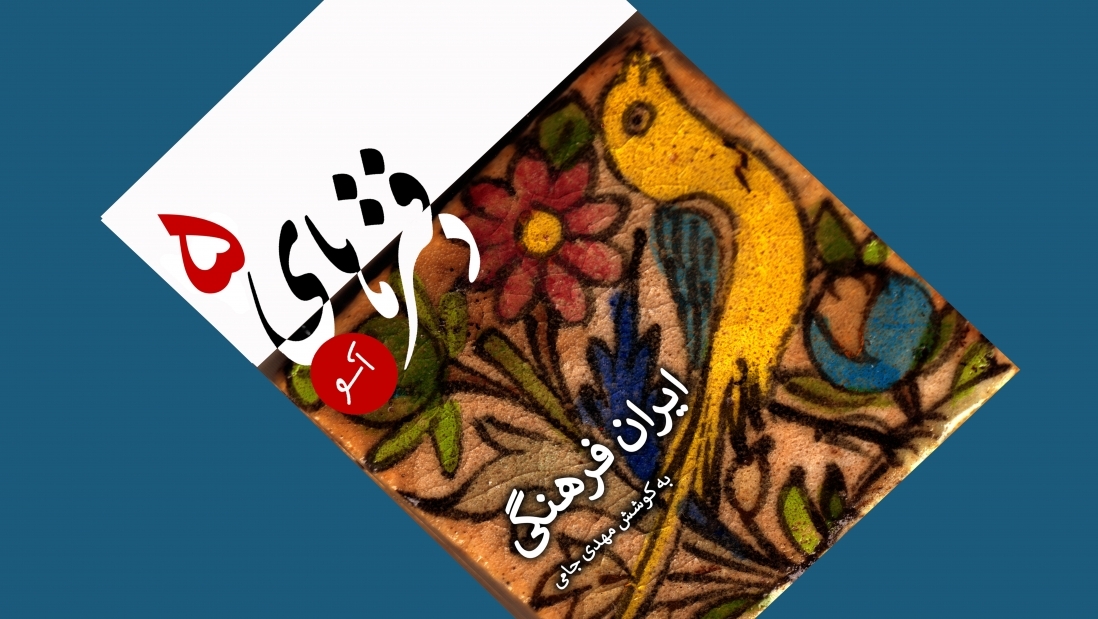
Cultural Iran

Edited by Mehdi Jami

Cultural Iran brings together writers, scholars, and artists from Iran, Afghanistan, Tajikistan, and beyond to illuminate the idea of Iran as a shared cultural realm. Through essays, interviews, and reflections on language, identity, migration, cinema, and heritage, the volume maps the diverse yet interconnected world of Persianate culture. Its contributors examine the forces that have shaped this civilizational domain and the figures who have sustained a cultural world that transcends political borders.

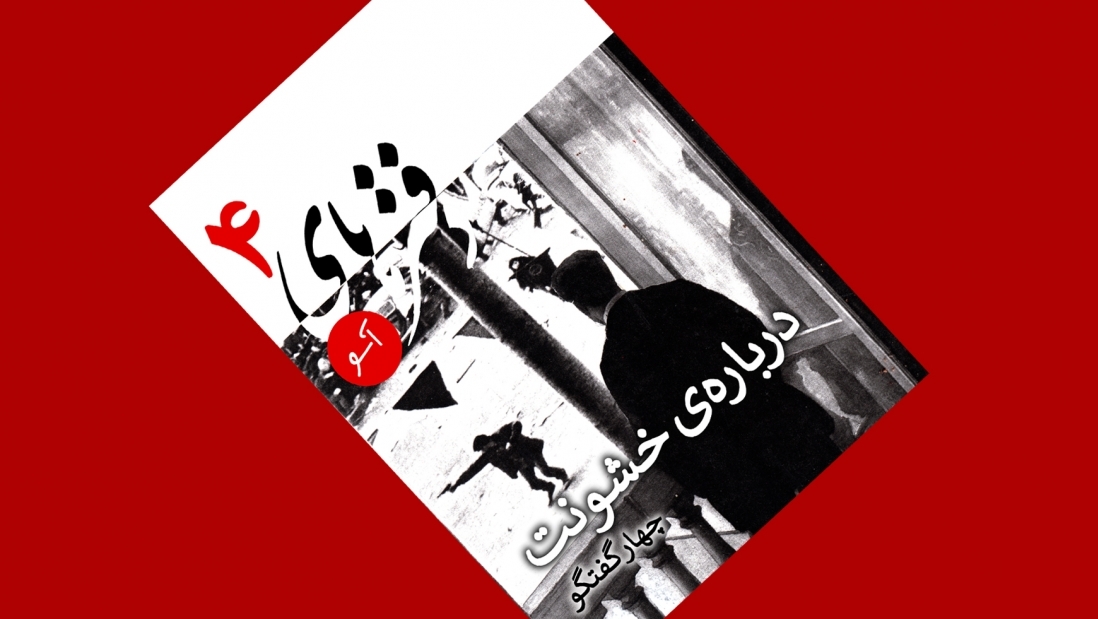
About Violence: Four Interviews

Mohammad Heydari

At a time when state repression and political deadlock have shaken many people's faith in nonviolent struggle in Iran, this book confronts a pressing question: can peaceful resistance still bring change? Through penetrating interviews with four Iranian thinkers, it explores the ethics, limits, and realities of violence in political struggle. The book examines the risks of armed resistance, the complexities of civil disobedience, and the dangers facing a society pushed toward violent confrontation.

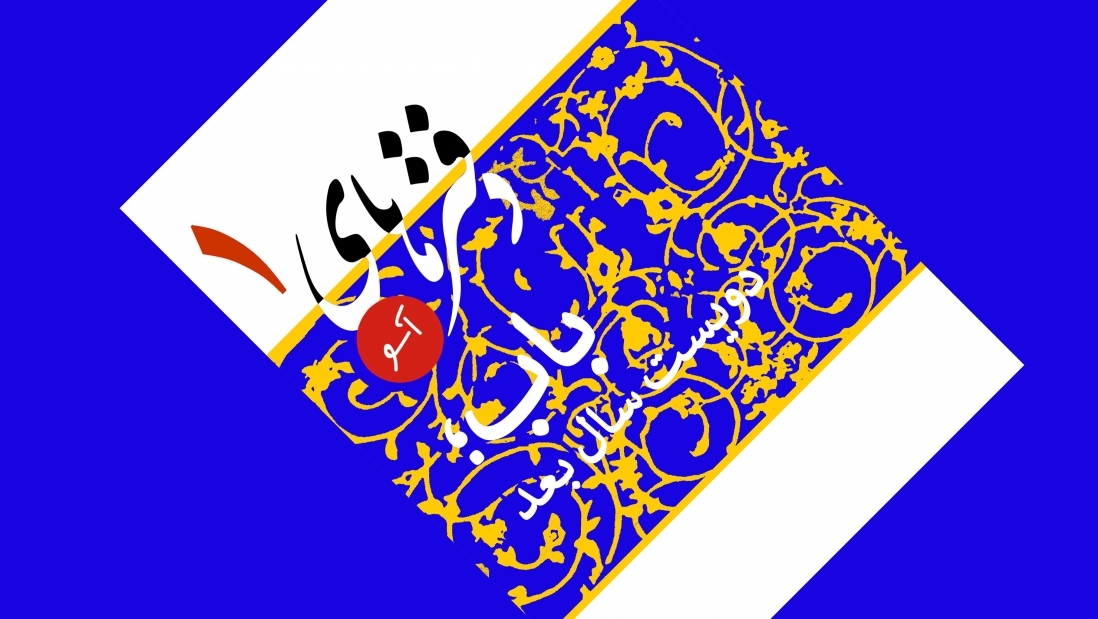
The Bab, Two Hundred Years Later

Edited by Erfan Sabeti

This landmark volume brings together leading scholars and writers to commemorate the bicentenary of the Bab’s birth and to reassess the inventive power of his message two centuries on. The essays trace how the Bab’s uncompromising call for radical renewal — his insistence that true transformation required revolution rather than reform - continues to echo through Iranian history and thought. 

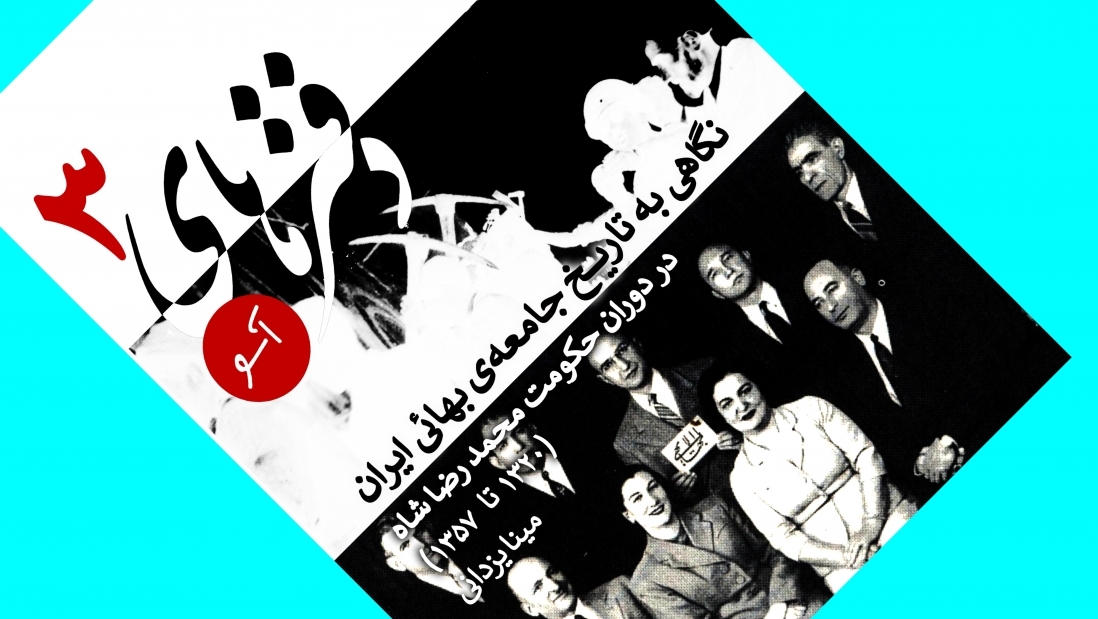
A History of Iran’s Baha’i Community During the Reign of Mohammad Reza Shah

Mina Yazdani

This incisive study traces the shifting fortunes of Iran’s Baha’is under the last Pahlavi monarch, revealing phases of persecution, uneasy respite, and renewed violence. Highlighting the Shah’s conflicting impulses -appeasing clerics while courting a human-rights image - the book shows how Baha’is were alternately scapegoated, ignored, or tolerated. Clear and meticulously researched, it offers a vital overview of a community navigating danger and denial.

Another World Must Needs Be Built

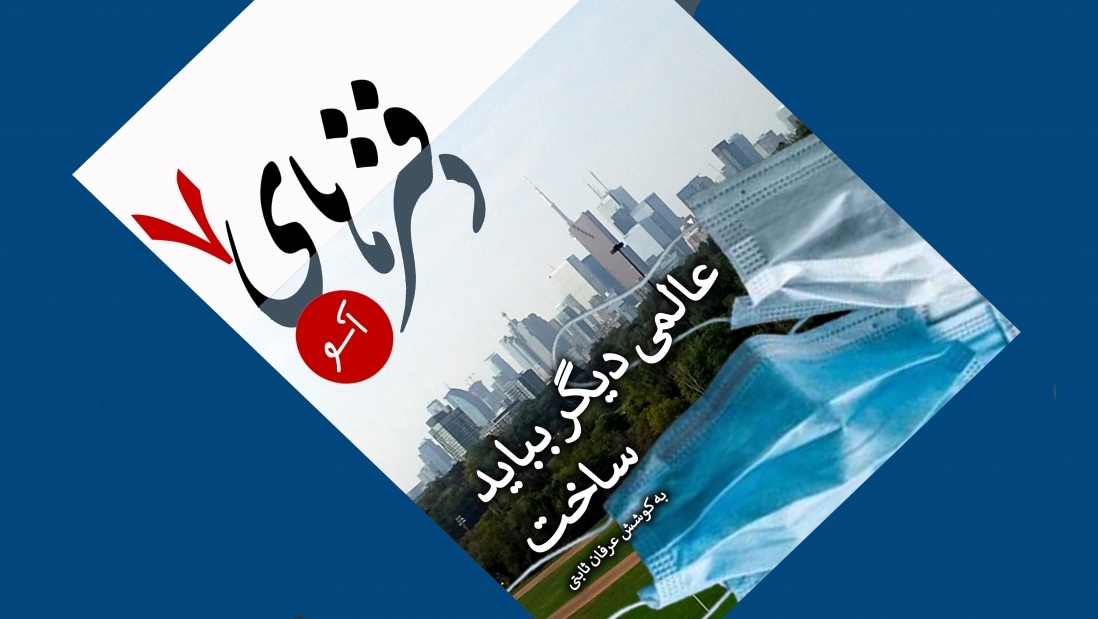
Edited by Erfan Sabeti

A collection of powerful reflections on the Covid-19 crisis from leading international voices, including Mikhail Gorbachev, Yuval Noah Harari, Alain de Botton, Arundhati Roy, and Anne Applebaum. This second special edition examines how the pandemic reshapes global unity, climate policy, inequality, social order, and our relationship to mortality. From the dangers of tech opportunism to the hope for renewal, these essays challenge us to imagine - and build - a more resilient post-pandemic world.

We and the Coronavirus

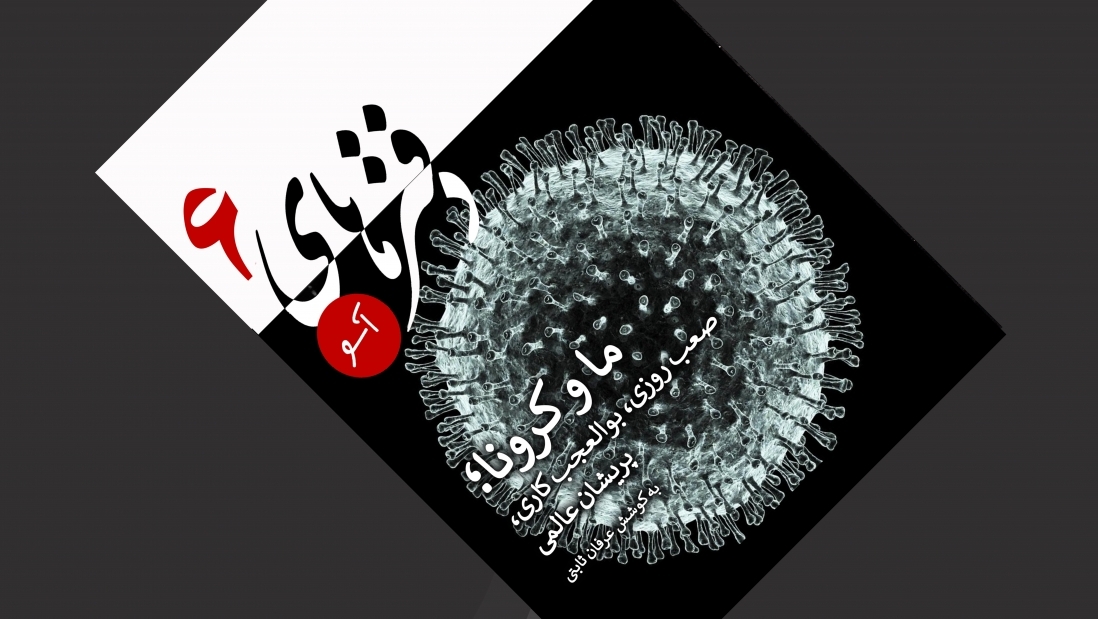
Edited by Erfan Sabeti

The book brings together essays by leading global thinkers — including Gordon Brown, Yuval Noah Harari, Anne Applebaum, and Zygmunt Bauman — to explore the profound impact of the Covid-19 pandemic. This first special edition examines the global history of pandemics, the vulnerabilities of populism, the shock to world economies, and the contagious power of fear. Through international perspectives, the collection argues that only cooperation and trust between communities and nations can shape a shared post-Covid future.

The Illusion of Race

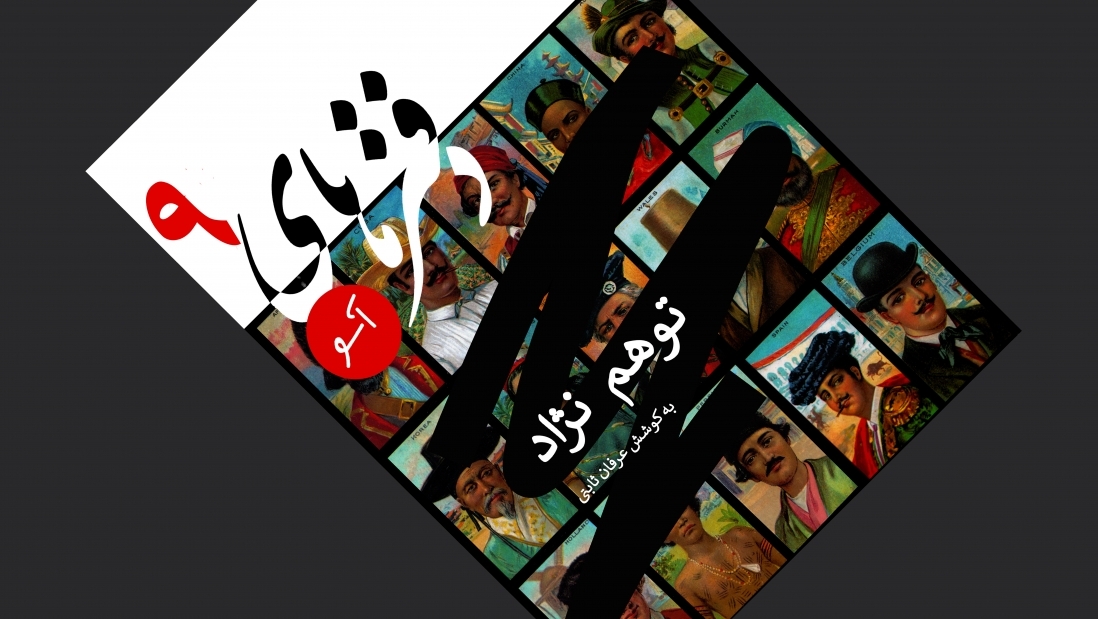
Edited by Erfan Sabeti

From the invention of the word “white” in 1613 to the forgotten histories of African Iranians and enslaved Europeans in the Islamic world, The Illusion of Race dismantles the myths that shape modern identities. Featuring leading writers such as Zygmunt Bauman and Angela Saini, the collection brings together a wide range of perspectives - including Baha'i narratives - and exposes race as a shifting political construct with real human costs. It challenges much of what we think we know about race, history, and belonging.

Baha’i Faith, Society & Politics

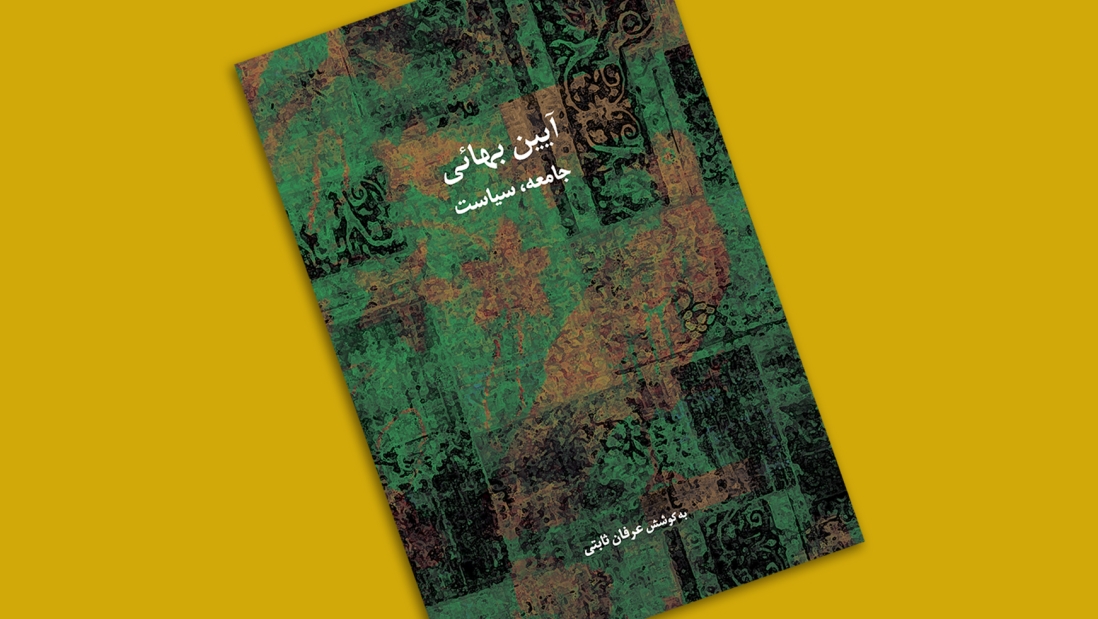
Edited by Erfan Sabeti

The collection brings together leading scholars to examine the social and political perspectives of the Baha’i faith. Through studies of community-building, minority experience, global networks, and evolving interpretations of justice, unity, and reform, the essays illuminate how a persecuted religious minority navigates power, identity, and modernity. Rich in insight and grounded in diverse contexts—from Iran and the Middle East to East Asia—this volume offers a nuanced portrait of a global faith in transformation.

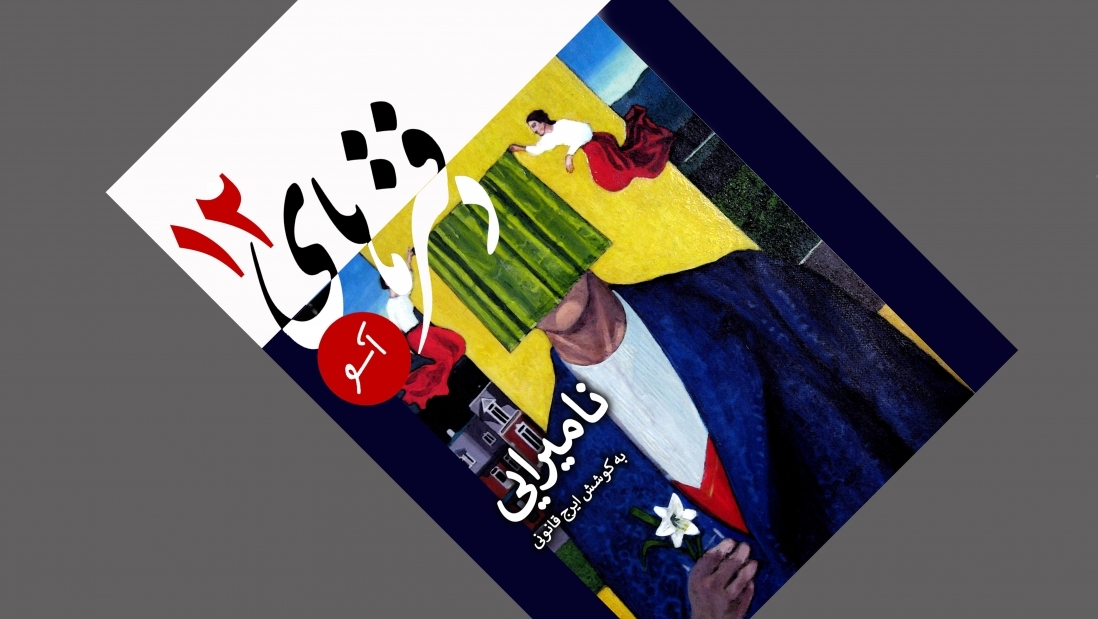
Immortality

Edited by Iraj Ghanooni

Iraj Ghanooni gathers classic and contemporary essays, translations, and reflections on death, the soul, and the desire to outlive our finite lives. From Socrates and Simmel to Bergson and modern thinkers, the volume explores how philosophy, literature, and lived experience recast mortality as a condition for meaning rather than its negation. Moving between East and West, these texts ask what, if anything, in us can resist oblivion.

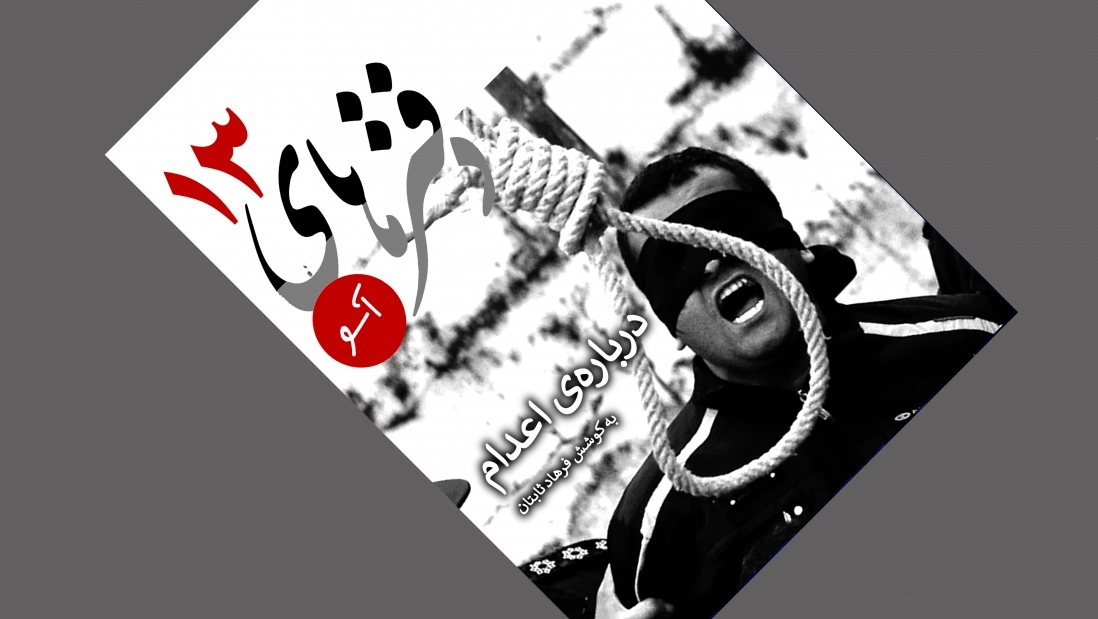
Death Penalty

Edited by Farhad Sabetan

The collection brings together powerful essays, interviews, and case studies exploring the practice of capital punishment, with a focus on Iran. Combining legal, historical, economic, and psychological perspectives with first-hand testimonies from those scarred by executions, the volume questions whether the death penalty can ever be just, effective, or compatible with human rights. Offering informed, fair-minded arguments rather than slogans, this collection invites readers to reconsider the moral, social, and political costs of state killing.

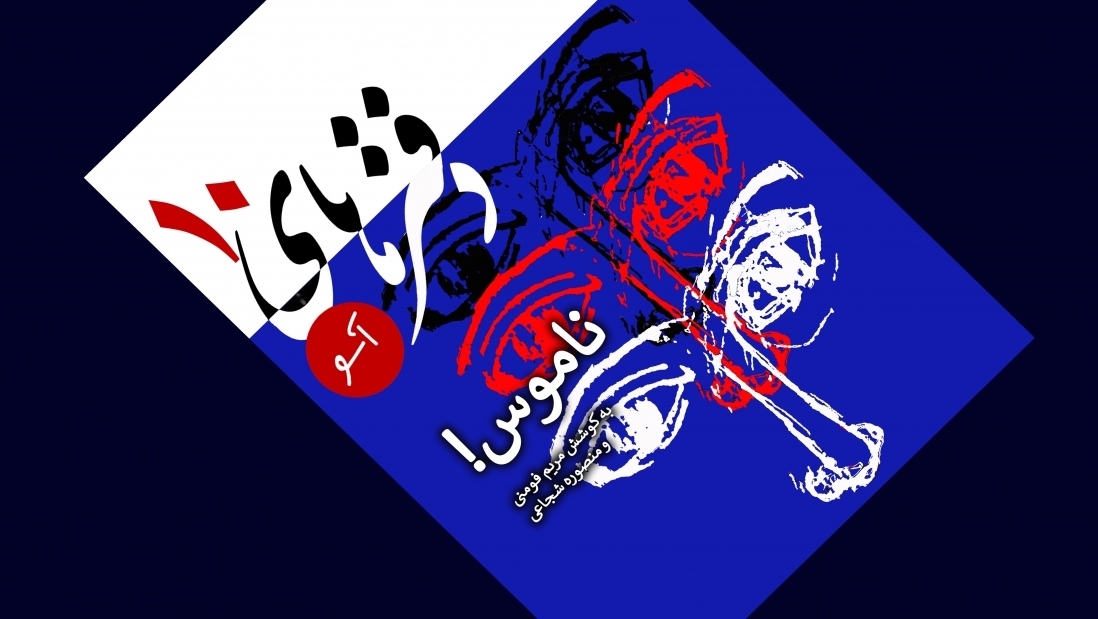
Nomos

Edited by Mansoureh Shojaei and Maryam Foumani

The book confronts the persistent reality of so-called “honour killings” in Iran and the wider region. Bringing together investigative essays, interviews, legal analysis, and testimonies from Kurdish, Arab, Baluch, and other communities, the volume exposes how law, religion, patriarchy, and media indifference collude in the killing of women. It also documents local resistance and feminist activism, arguing that naming these crimes is the first step toward ending them.

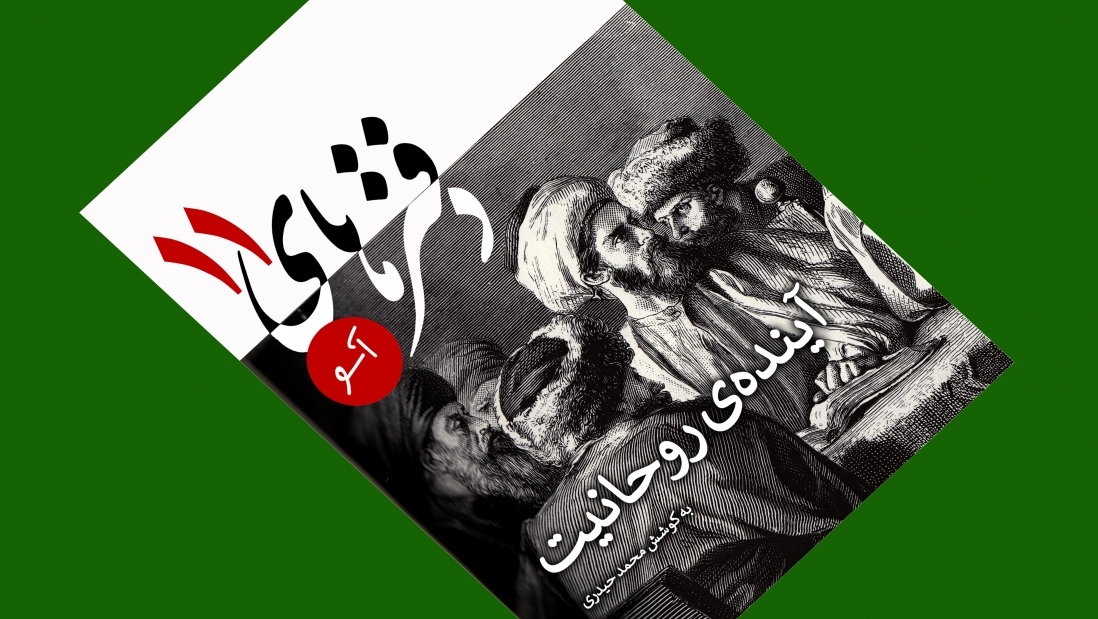
The Future of Shia Clergy

Edited by Mohammad Heydari

The bookgathers probing interviews and essays from leading Iranian scholars to examine the past, present, and uncertain future of Iran’s clerical establishment. Spanning historical roots, the rise of clerical power, the transformations brought by the Islamic Republic, and the challenges posed by social change, the contributors debate legitimacy, authority, gender, economics, and post-theocratic possibilities. This collection offers a rare, multifaceted inquiry into what place the clergy may occupy in Iran’s tomorrow.

The Future of Islam in Iran

Edited by Reza Alijani

In this ground-breaking volume, Reza Alijani brings together leading Iranian thinkers for a series of candid, searching conversations about the future role of Islam in Iran’s social and political life. They grapple with pressing questions: After the experiences of ISIS, the Taliban, Wahhabism, the Muslim Brotherhood, and decades of Islamic rule in Iran, can Islam still offer a path to progress? Is a constructive reformist vision possible, or must Iran imagine a future in which religion retreats to the private sphere? A bold and essential exploration of the crossroads facing Iran and the wider Muslim world.

The Nonviolence Handbook: A Guide for Practical Action

Translated in prison by Farhad Meisami

This concise yet powerful book by Michael Nagler presents a compelling case for nonviolence as a disciplined, strategic force for change. Challenging the myth that nonviolence is passive, it reveals the courage and rigor it demands. Translated in prison by Farhad Meisami, one of Iran’s leading advocates of nonviolent civil resistance - the book is a timely and relevant guide for Iranians seeking effective, principled resistance today.

In Search of a Better World, A Human Rights Odyssey

Payam Akhavan

A powerful book of memoir, history, and a call to action, by internationally renowned human rights lawyer and scholar, Payam Akhavan, translated and published in Persian. Akhavan confronts some of the darkest atrocities of our time — from the persecution of Bahá’ís in Iran to ethnic cleansing in Yugoslavia, and genocide in Rwanda, while celebrating the enduring resilience and interdependence that can give us hope.

Roots of Modernity

Changiz Pahlavan

Engaging history of the School of Political Science, founded in Tehran in 1899. As the country’s first institution dedicated to training future politicians and diplomats, it shaped generations of top Iranian public servants. Phalavn explores how the school was created and governed, its curriculum and ambitions, and the visionary figures behind it — offering a vivid account of an institution that helped usher Iran into political modernity.

War and Anti-War in Our Time

Edited by Ayda Hagh Talab

Collection of incisive writings on what drives modern conflict.  and how peace might still be forged. From Svetlana Alexievich’s powerful Nobel lecture on human suffering to Margaret MacMillan’s reflections on the moral arguments used both to justify and to restrain war, the book examines the myths and ideologies that continue to fuel violence, and the historical lessons that may prevent catastrophe. Blending analysis, testimony, and reflection, it asks what it means to face war in the twenty-first century—and to imagine alternatives.

Enforced Disappearance

Jafar Behkish

Leading Iranian human rights defender Jafar Behkish confronts the use of kidnapping and forced disappearance as instruments of terror, with a focus on Iran’s systematic abuses. Drawing on the experience of loosing her own sister and four brothers - murdered and hidden by the regime—and the pain and persecution of his surviving parents, Behkish explores the psychological devastation of uncertainty and the global struggle for truth. Combining personal testimony with rigorous analysis, this book exposes both the machinery of disappearance and the urgent need for accountability.

How to Steal a Country: Genealogy of Privatisation in Iran

Bahman Amoei

Drawing on many hours of interviews with twelve key insiders, the author, Bahman Amoei, uncovers the untold story of the Islamic Republic’s botched privatisation project. Because the process was never properly documented, it is only through the testimonies of those who shaped it that we can see how state assets were transformed within a closed and corrupt structure. This investigative account reconstructs a hidden history of power, politics, and dispossession.