
The Life and Writings of Najaf Daryabandari

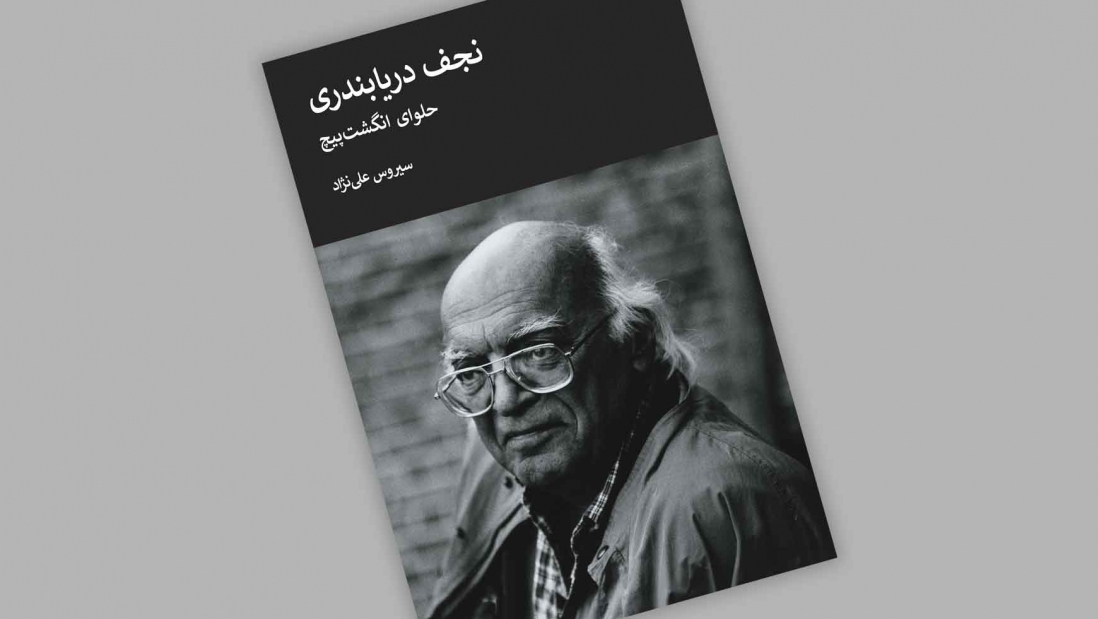
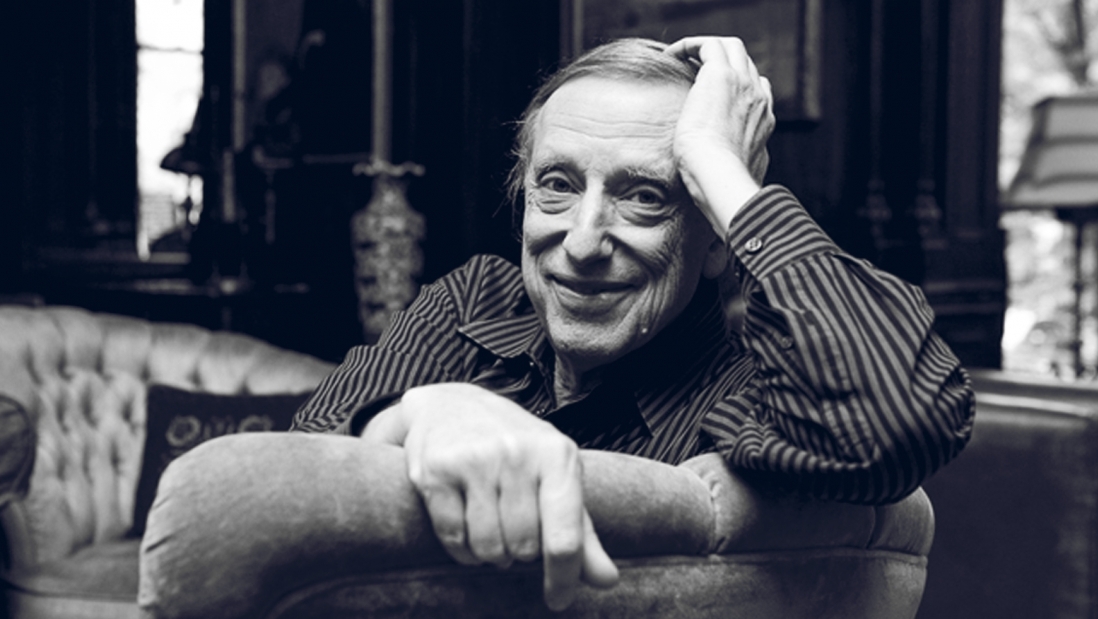
A series of interviews and essays put together by Najaf Daryabandari's long-time friend and colleague, Cyrus Alinejad.  Through vivid recollections, the book traces Daryabandari’s extraordinary journey — from self-taught youth and political imprisonment to becoming one of Iran’s most influential translators and critics. Known for his wit, intellectual rigor, and transformative prose, he reshaped literary translation and cultural writing in Persian. This collection offers an intimate portrait of a singular mind whose work left a mark on Iran’s literary landscape.

Abdu’l-Bahá on the World Stage

Iraj Ghanooni - Translated by Naeem Nabiliakbar and Adib Masumian

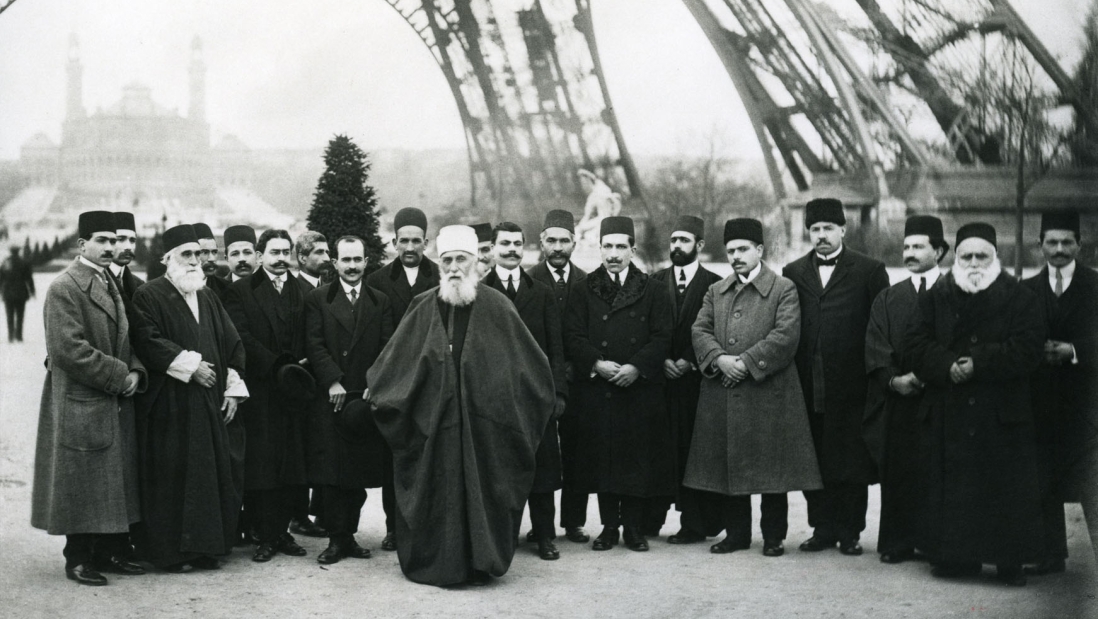
A city of such richness and glory as the Paris of 1911 served as the gateway of ‘Abdu’l-Bahá’s entry into Europe, this in the latter days of the Qájár era, and at the depth of the abasement of the Iranian people in the eyes of the world. 

The US and Iran: Dialogues Before Distrust

Matthew Shannon in conversation with Armin Omid

If the “telos” of a historical narrative is 1979, then all roads lead to the fall of the shah and the rupture that occurred in the US-Iran relationship during the hostage crisis. In those narratives, most of which are political in orientation, the shah’s reform program is not taken seriously.

Iranian Literature after the Islamic Revolution

Laetitia Nanquette in conversation with Arman Omid

Iranian literature after the revolution is on the margins of the world system and not global as such. However, it is important in several national systems, because it speaks to several national literary contexts (French, German, American etc.)

‘Memory is an inevitable site of struggle’

An Interview with Ariel Dorfman by Mehrad Vaezinejad

Even if hope is an illusion, we must hold onto it, share its light, however scant and brief, because otherwise we will never change the world, we will give injustice the last word. This much is certain: despair and indifference lead nowhere.

The Stranger: Afghan - Iranian Identity

Sepehr Atefi and Mohsen Naderi

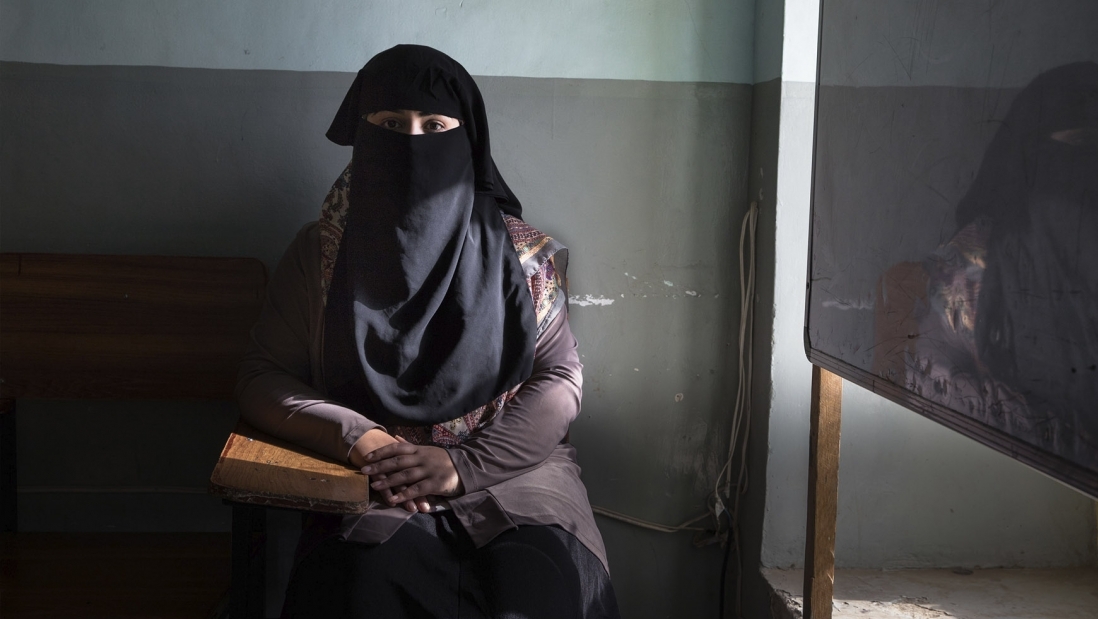
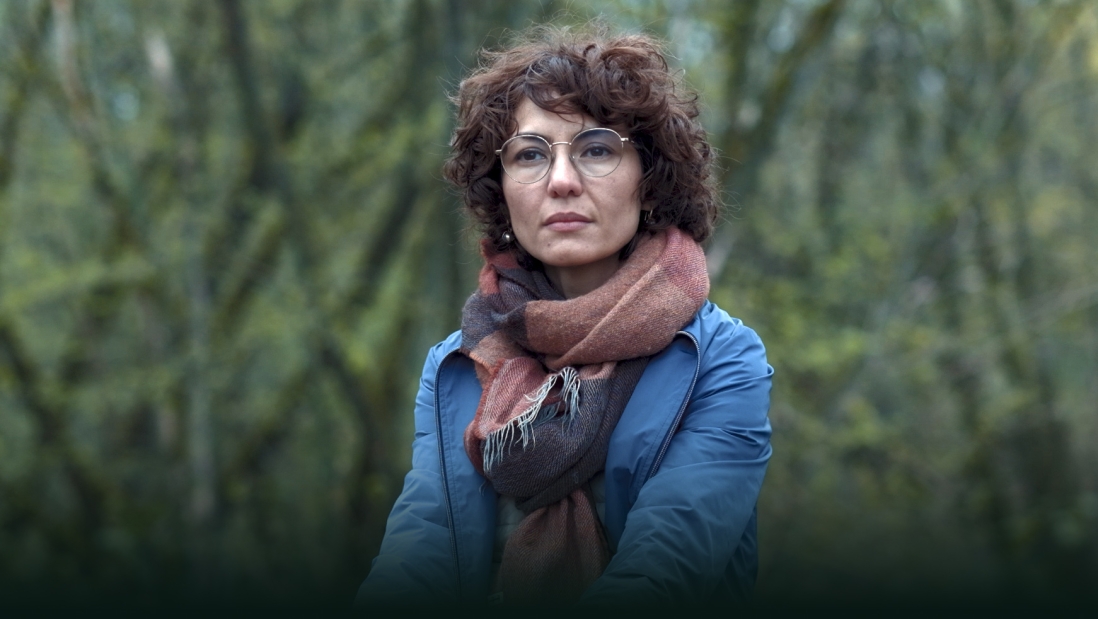
Zahra Mousavi, a writer and social researcher, reflects on her lived experience as an Iranian-Afghan, navigating life between Iran and Afghanistan.

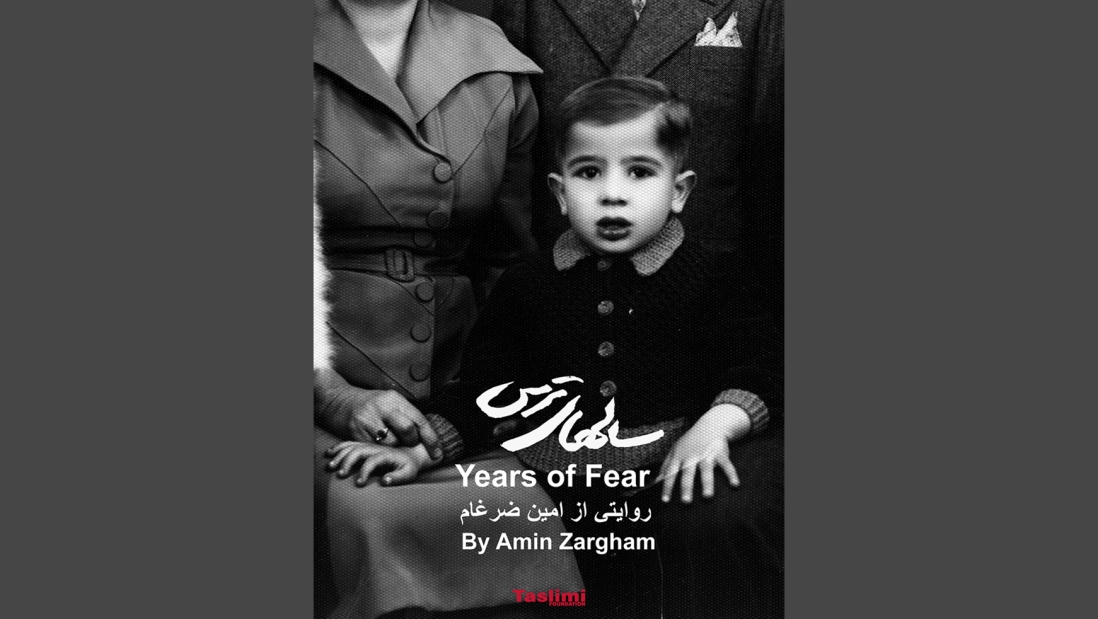
Years of Fear

Amin Zargham

A personal documentary by Amin Zargham, recounts his life as a Baha’i in Iran, tracing decades of persecution and portraying individual resistance against propaganda and imposed silence.


Prison Memories

Mansoureh Shojaei

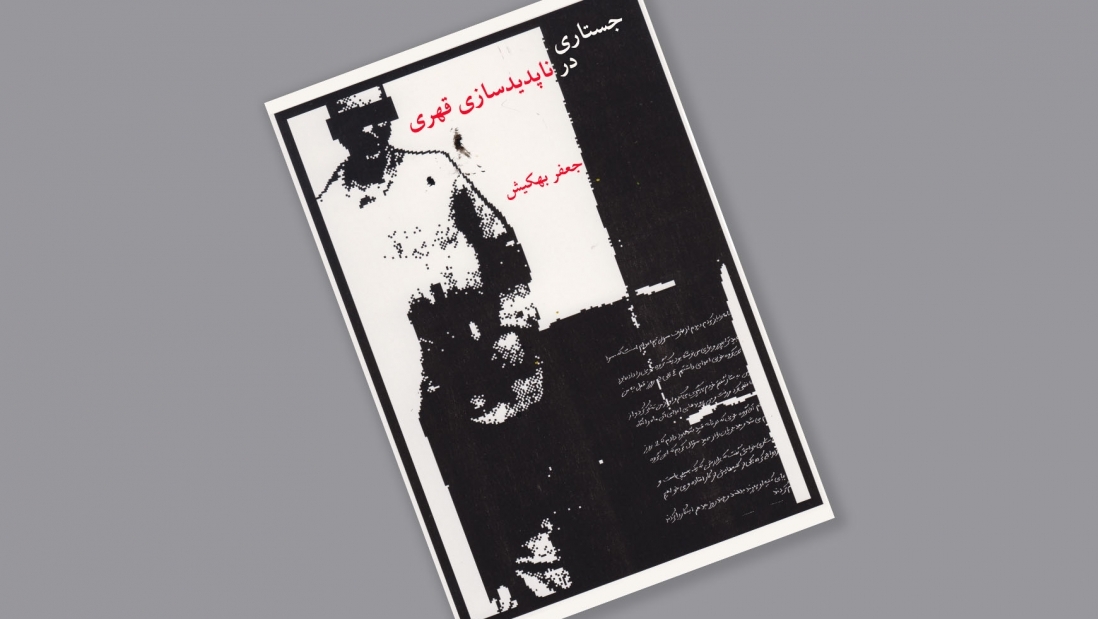
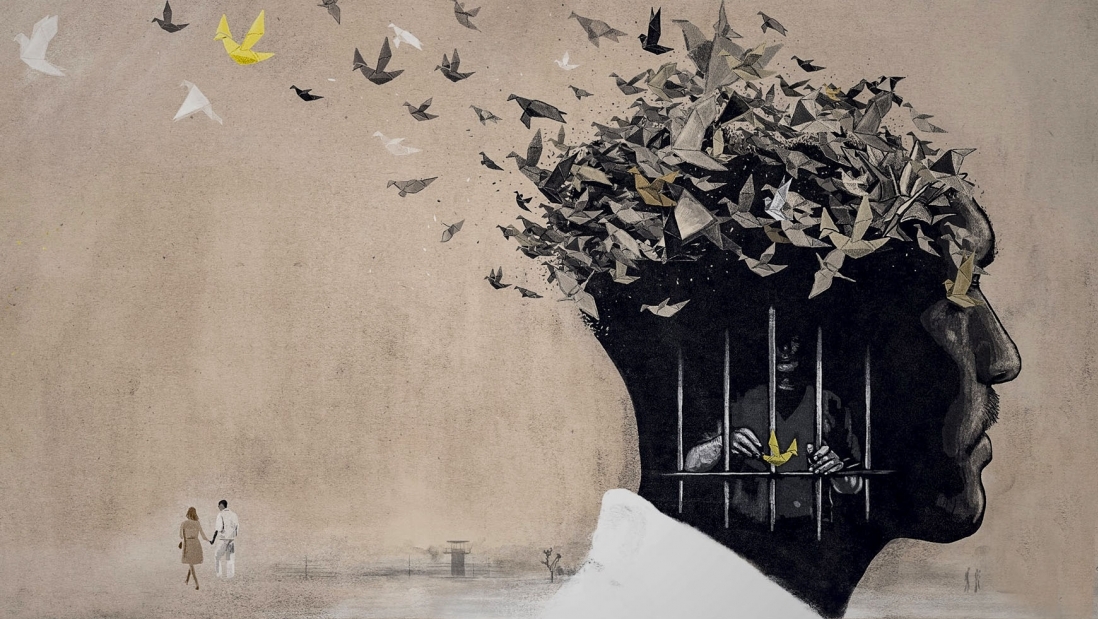
This powerful volume explores the often-hidden textures of prison life in Iran, from the history of prison writing to songs, games, collective culture, and the language born behind bars. Drawing on prisoners’ lived experiences, it illuminates how creativity softens hardship and how diverse cellmates — including religious minorities - construct shared survival. Prison Memories restores overlooked voices and offers a comprehensive bibliography of Iranian prison memoirs from the Constitutional Revolution to today.

Forgotten Women

Maryam Foumani

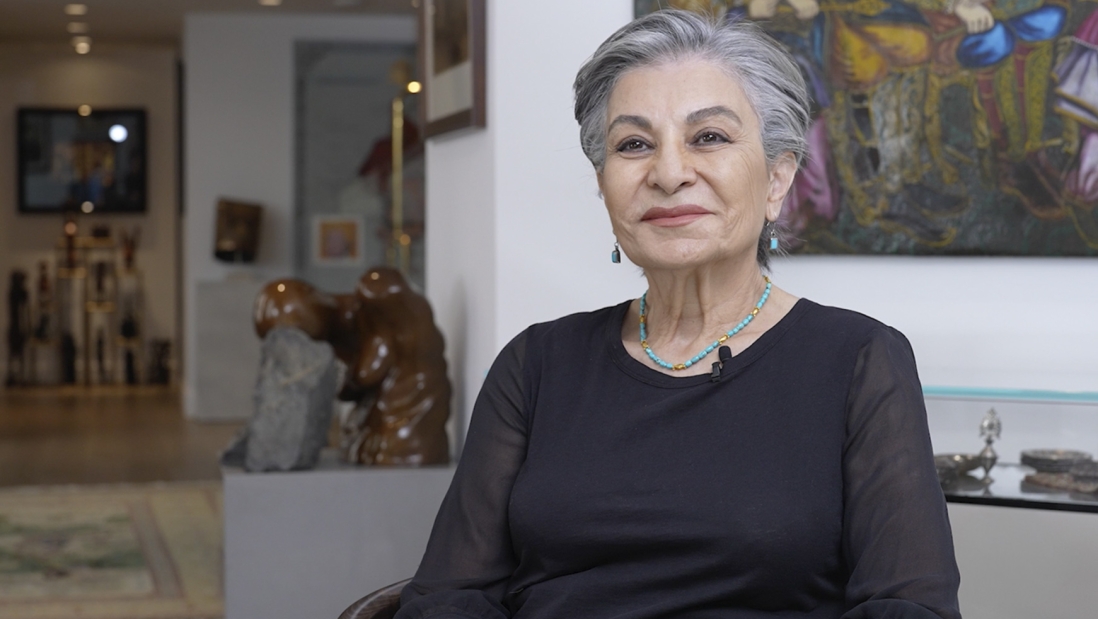
A powerful collection that captures the lives of ordinary women incarcerated in Evin prison — women whose stories rarely surface beyond the crime pages. Written by Maryam Foumani, who interviewed them while she herself was imprisoned for her human rights work in Iran. She brings to life the voices of women awaiting execution for murder, and those jailed for theft or prostitution, with no one waiting beyond the prison gates. They all emerge in Foumani's narrative with stark, human immediacy.

Leaden Days

Yunes Heydari

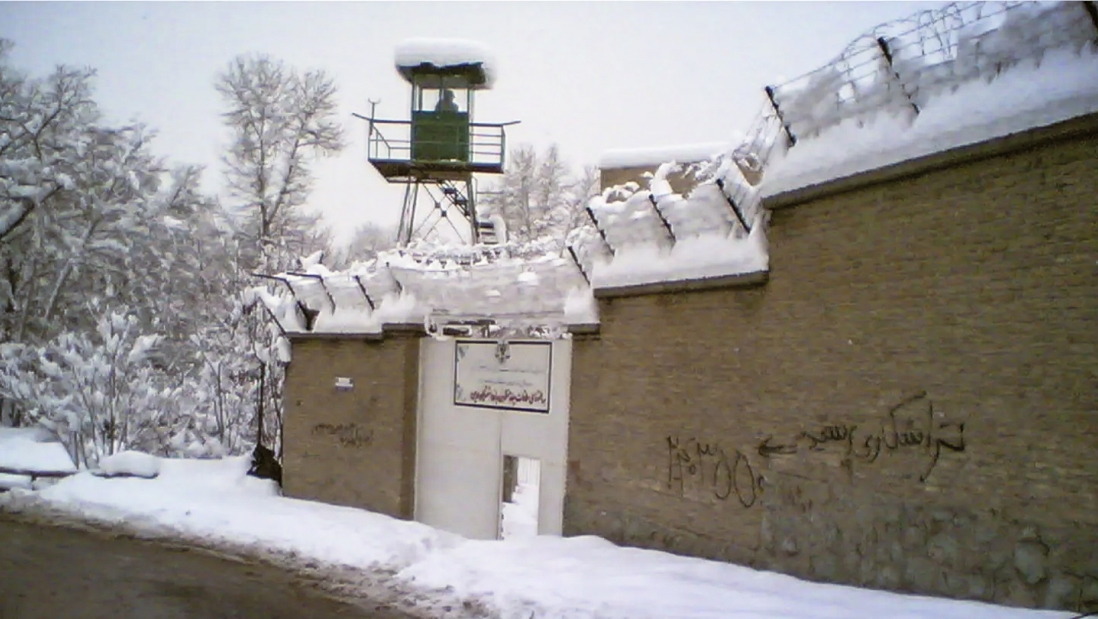
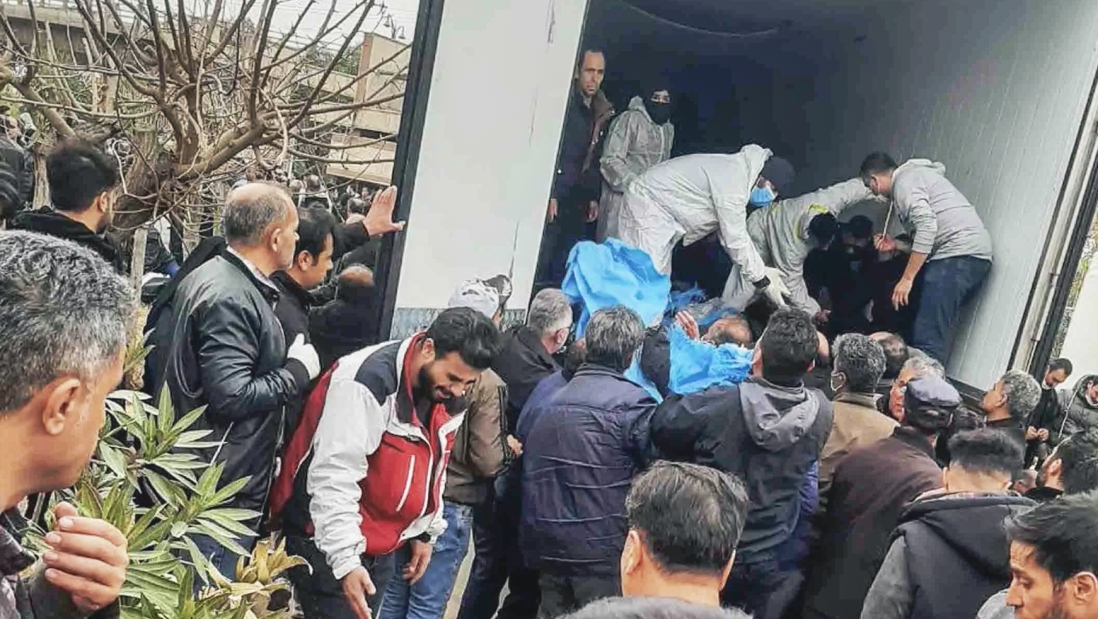
In this powerful memoir, Yunes Heydari—an Afghan migrant who lived in Iran—recounts his detention in the country’s notorious Sefid Sang border camp before being expelled to Afghanistan more than 25 years ago. Through vivid journal entries, he captures the brutal realities of a place that has come to symbolize homelessness, humiliation, and violence in the collective memory of Afghan migrants—a haunting testimony of survival and displacement.

The Role of Religion in the Modern World

Edited by Iqan Shahidi

A collection of essays and interviews from a wide spectrum of secular and religious thinkers. Conscious of the impact of religion in post-1979 Iran, where faith has been used as a tool of oppression, the collection offers a concise examination of religion’s place in contemporary life. The volume surveys key theoretical perspectives and explores how diverse religious communities understand their current realities and imagine their most constructive role in the public sphere.

Essays on Constitution

Changiz Pahlavan

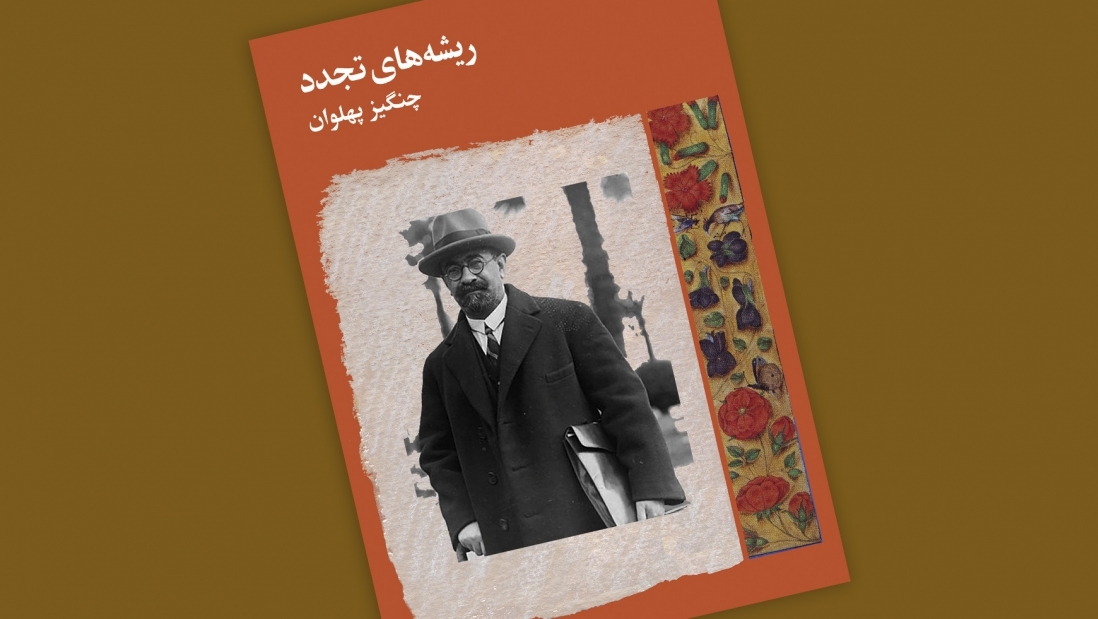
 Leading political scientist, Changiz Pahlavan illuminates the core principles of constitutional thought and the dynamics of constituent assemblies. From the philosophy of constitutions and their ties to liberalism to India’s constitutional experience and Iran’s four constitutions in a century, he explores how foundational laws are made and how politics, revolutions and citizens shape them. Drawing on his seminal work on Iran and Afghanistan, Pahlavan offers a lucid guide to the forces that craft modern governance.

With Ebrahim Golestan

Cyrus Alinejad

An expansive interview with Ebrahim Golestan, one of twentieth-century Iran’s most influential intellectuals. interviewed in his Sussex home, in England, Golestan reflects on his childhood, family, filmmaking, fiction, politics, and the vibrant literary world he shared with figures like Hedayat, Chubak, Akhavan and Daryabandari. Through Alinejad’s clear, direct prose, the conversations unfold into a compelling portrait of a towering cultural voice and the era that shaped him.

Present Past: Notes from the Life of a Persian/American Composer

Hormoz Farhat

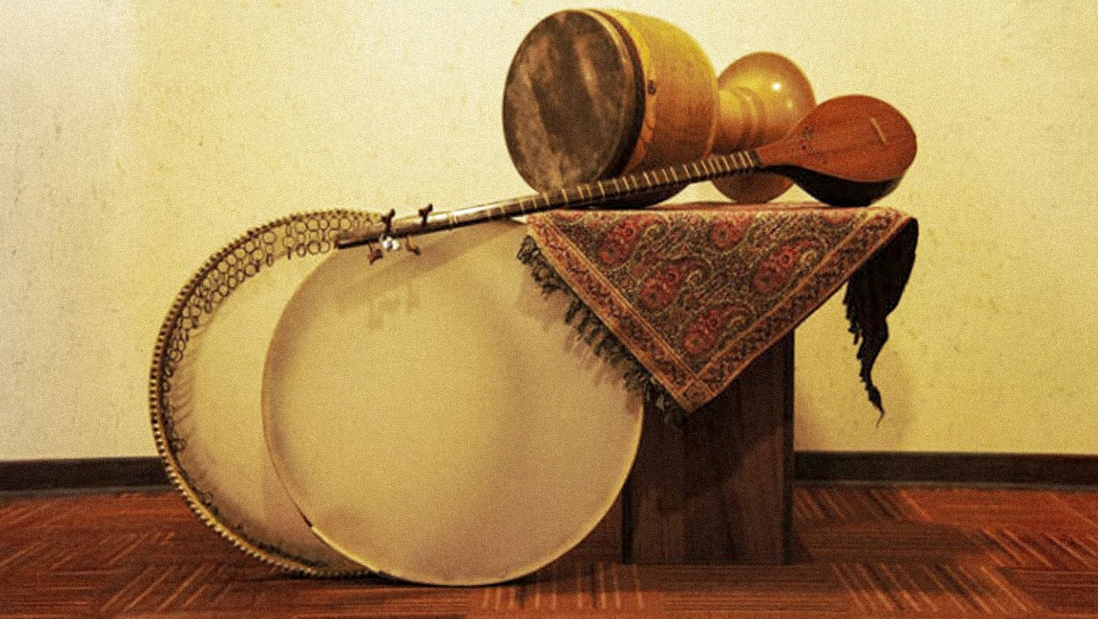
A selective memoir by the late composer and musicologist Hormoz Farhat, traces a life shaped by music and migration. From his childhood in Iran to his studies and teaching in the United States, his return to a booming Iran in the 1970s, and his escape to Ireland after the 1979 Revolution, Farhat reflects with clarity and grace on home, exile, and artistic legacy.